10 Healthy Thanksgiving Side Dishes Everyone Will Love
Introduction to Nutrient Dense Holiday Feasts
Finding healthy thanksgiving side dishes lets home cooks balance traditional holiday comfort with nourishing, vegetable-forward cooking. These recipes bridge the gap between rich seasonal flavors and lighter ingredients that everyone at the table will enjoy.
Official recommendations from the Health and Human Services Department emphasize building meals that feature generous portions of fruits and vegetables. This collection provides inspiring, expert-driven ideas to help you build a vibrant holiday menu without losing the classic warmth of the season.
Building a Vegetable Forward Thanksgiving Plate
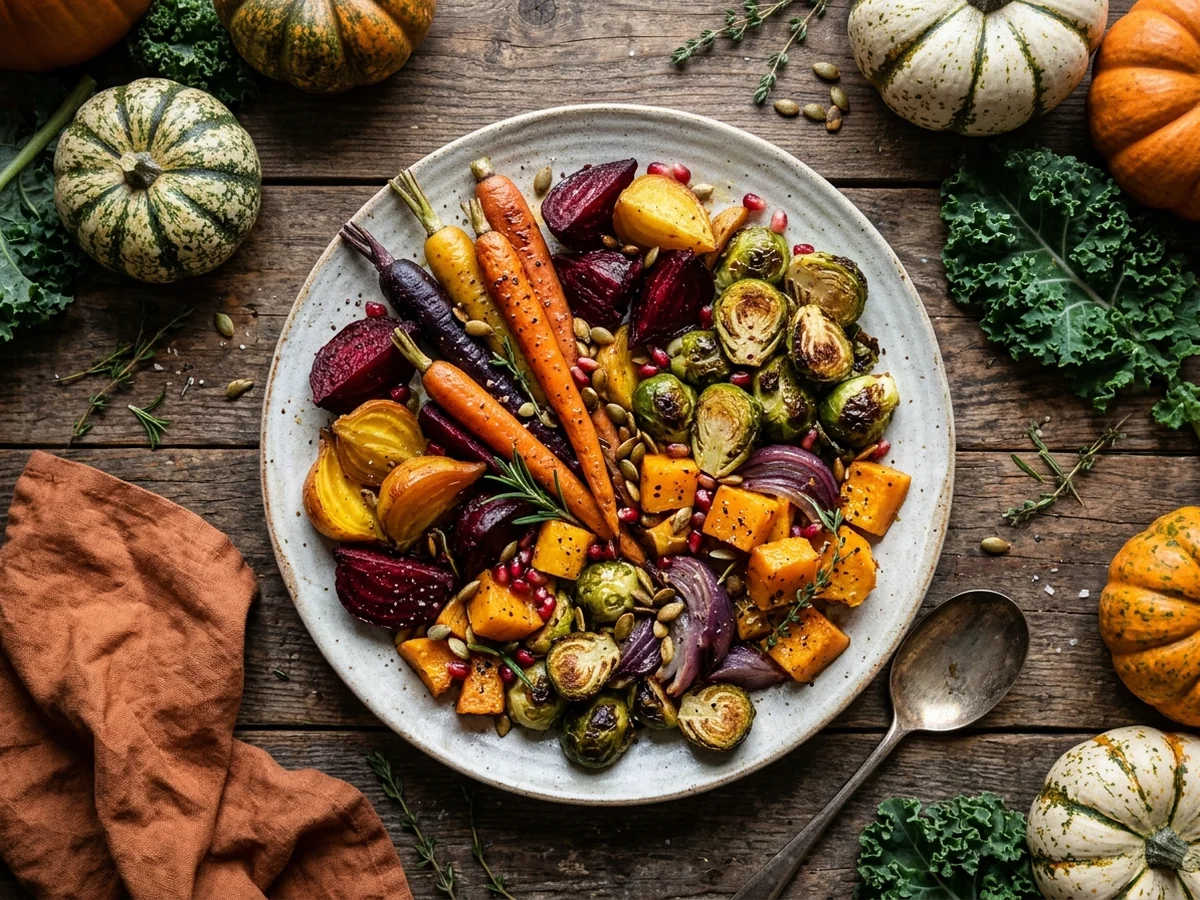
Building a vegetable forward holiday plate starts by shifting the culinary focus away from heavy cream and excess butter toward vibrant, nutrient-dense seasonal produce. When you center your meal around colorful harvest vegetables, you naturally satisfy a crowd while keeping the menu bright and balanced. Federal health recommendations advise individuals to fill their plates with generous portions of fruits and vegetables to support long-term wellness during festive gatherings.
To execute this approach successfully, home cooks should lean into the natural caramelization of high-heat roasting. Techniques like roasting winter squash, brassicas, and root vegetables at elevated temperatures draw out deep, savory flavors that easily rival traditional heavy casseroles without requiring mountains of cheese. Incorporating a wide spectrum of colorful produce helps boost overall nutrient intake during holiday feasts.
Choosing the right cooking fat is another essential step in crafting easy healthy thanksgiving side dishes that still feel rich and indulgent. Cooking with heart-healthy fats like extra-virgin olive oil and avocado oil is recommended by health guidelines. Swapping heavy dairy fats for these plant oils retains essential moisture and depth in roasted vegetables while maintaining a light, clean finish on the palate.
A common mistake when designing healthy holiday side dishes for a crowd is treating vegetables as an afterthought rather than the star of the table. To avoid this pitfall, plan your menu around robust ingredients like Brussels sprouts, wild greens, and whole heads of cauliflower that hold up well to bold seasonings. Incorporating pantry staples such as chile crisp, toasted nuts, and fresh herbs adds complex layers of texture and flavor, ensuring every guest leaves the table completely satisfied.
Innovative Greens and Beans with Bold Flavors
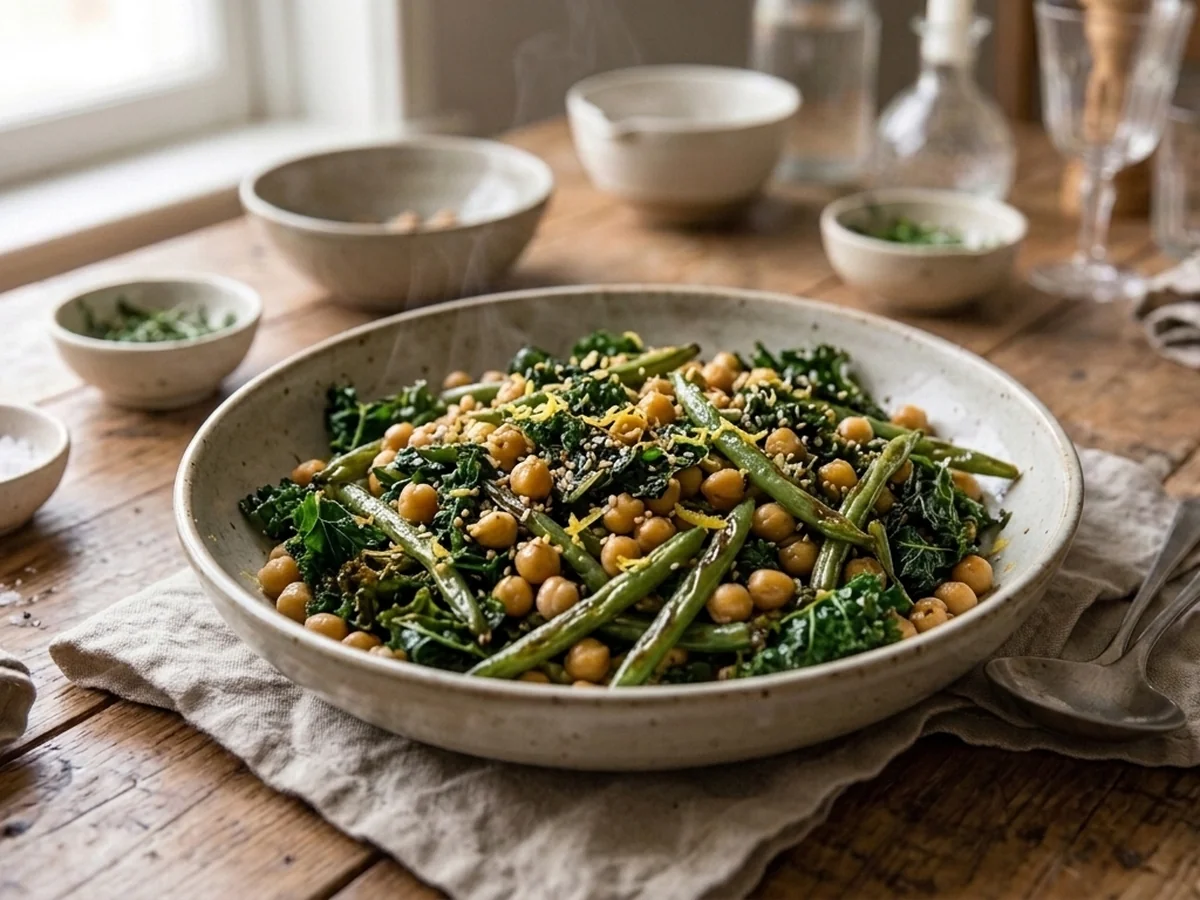
Chef-style techniques transform standard vegetables into vibrant dishes that easily fit into a balanced holiday menu. Cooking with heart-healthy fats like extra-virgin olive oil and avocado oil is recommended by health guidelines. These plant-based oils deliver rich flavor while keeping the menu light and satisfying for holiday guests. Federal nutrition policies maintained by the Health and Human Services Department advise incorporating ample fruits and vegetables onto everyday and celebratory plates to support long-term wellness.
Bringing these vibrant elements to the table requires a focus on both preparation and execution. When planning healthy holiday side dishes for a crowd, home cooks often look for ways to elevate simple produce without spending hours away from their family. Using the right techniques ensures that tender greens and crisp beans retain their bright colors and crisp textures, avoiding the dullness that sometimes plagues traditional holiday steam tables.
Here are several practical ingredient highlights and flavor pairing ideas for easy healthy thanksgiving side dishes:
- Cacio e pepe green beans elevate tender-crisp pods with sharp pecorino cheese and freshly cracked black pepper, offering a savory profile with minimal heavy ingredients.
- French lentil salad combines earthy legumes with bright shallots, fresh herbs, and a sharp red wine vinaigrette for a protein-rich option that holds up well when made ahead of time.
- Extra-virgin olive oil adds fruity depth to roasted green vegetables without weighing down the dish, aligning with recommendations from health guidelines for everyday cooking and celebratory meals alike.
- Avocado oil provides a high smoke point that ensures a perfectly charred exterior on blistered beans, giving you that coveted restaurant-quality finish in a home kitchen.
- Roasted garlic cloves mashed into warm dressings create a creamy texture without adding heavy dairy ingredients, keeping the focus squarely on fresh, wholesome flavors.
- Fresh lemon zest brightens rich bean dishes right before serving to balance heavy holiday mains and cut through richness on the plate.
Avoiding common mistakes ensures your vegetable dishes stay vibrant and appealing. One frequent pitfall is overcrowding the roasting pan, which causes green beans to steam rather than char. Giving vegetables adequate space on the sheet pan allows proper caramelization to occur. Another common error is dressing delicate greens too early, which causes them to wilt before guests sit down to eat. Toss acidic dressings or vinaigrettes onto salads just before plating to maintain ideal texture and visual appeal.
Elevated Squash and Roasted Cauliflower Centerpieces
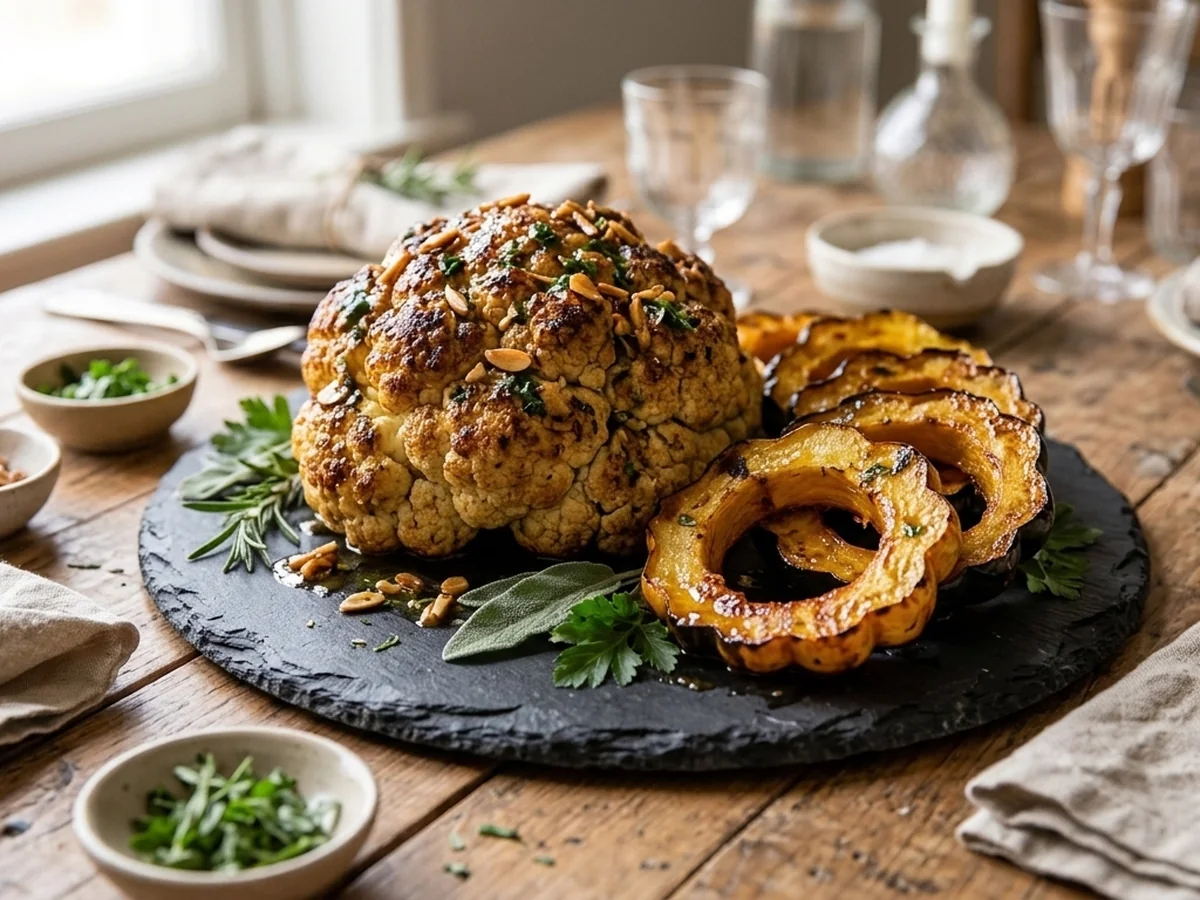
Stunning plant-based centerpieces rely on whole roasted cauliflower paired with vibrant almond herb sauce, offering a gorgeous focal point that easily replaces heavy traditional roasts. This culinary approach transforms a humble head of brassica into a magnificent table sculpture through careful roasting techniques, ensuring that holiday hosts can serve visually impressive meals without sacrificing nourishment. When building healthy thanksgiving side dishes or planning healthy holiday side dishes for a crowd, preparation method is everything for achieving the right balance of texture and flavor.
Mastering Whole Roasted Cauliflower
Preparing a whole head of cauliflower requires trimming the leaves and steaming or boiling the core briefly to ensure even cooking before it goes into the oven. Brushing the surface generously with extra-virgin olive oil helps create a golden crust and allows seasonings to adhere properly. Roasting at high heat brings out natural nutty flavors, while a bright finishing sauce adds the necessary acidity to balance the richness of the dish.
Caramelizing Winter Squash Wedges
Nutrient-dense squash preparations provide a lighter alternative to traditional heavy casseroles while keeping seasonal comfort flavors intact. Roasting wedges or puréeing winter varieties brings out natural sweetness without relying on excess dairy fats or refined sugars. To achieve the best texture, cut winter squash into uniform pieces and roast them at high heat until the edges caramelize deeply. Common mistakes include overcrowding the baking sheet, which steams the vegetables instead of roasting them, or skipping the step of thoroughly drying the squash before it goes into the oven.
Nutritional Frameworks for Holiday Feasts
Health guidelines offer clear frameworks for designing balanced holiday menus. Official federal nutrition recommendations advise loading plates with plenty of vegetables and fruits during festive gatherings and everyday meals alike. Furthermore, cooking with heart-healthy fats like extra-virgin olive oil and avocado oil is recommended by health guidelines for optimal nutrition and rich flavor, replacing saturated fats found in conventional butter-heavy dishes.
Streamlining Preparation for Busy Hosts
For home cooks balancing multiple dishes on a busy holiday, planning ahead streamlines the process. Roasting vegetables a day in advance and reheating them gently preserves flavor while reducing kitchen stress when guests arrive. By focusing on whole, vibrant ingredients and smart cooking techniques, hosts can craft memorable meals that satisfy every diner at the table.
Hearty Grains and Wild Rice Dressings
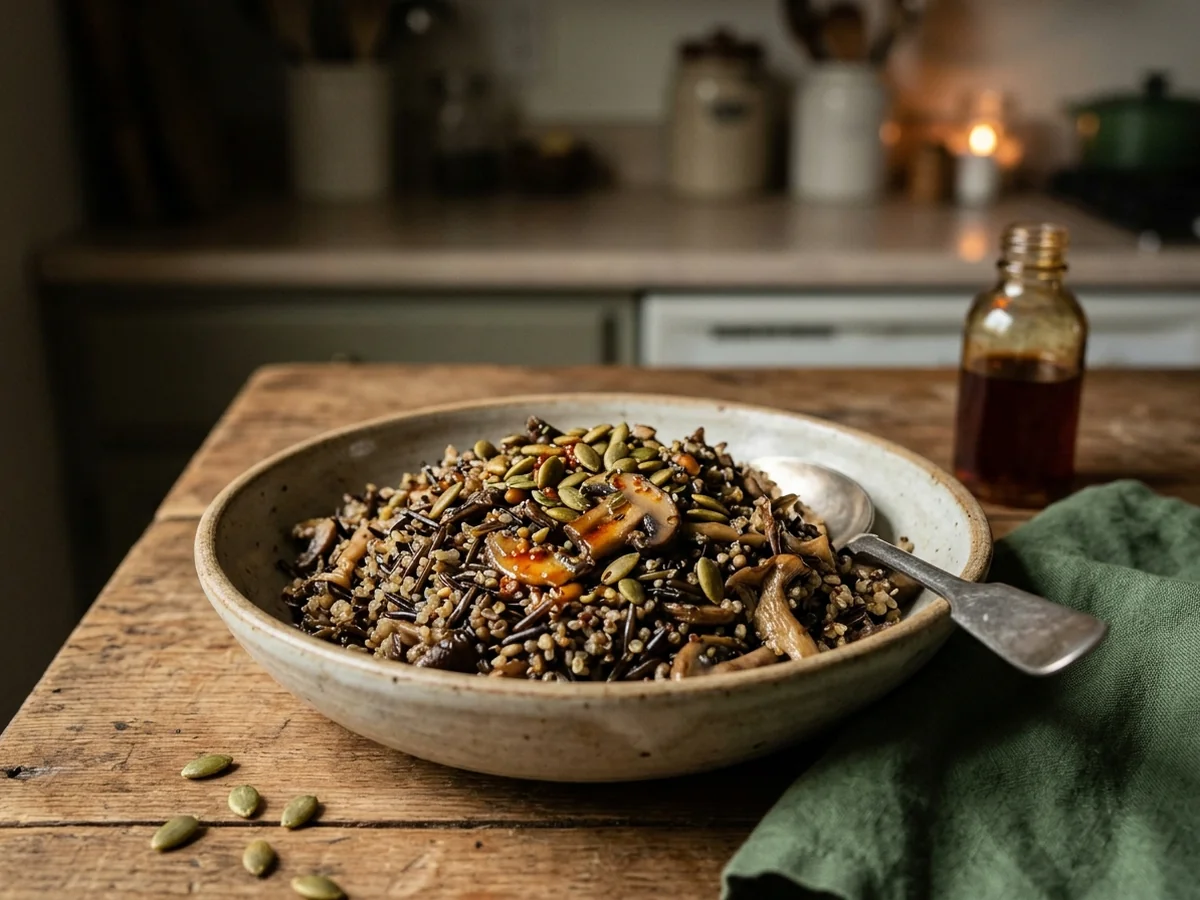
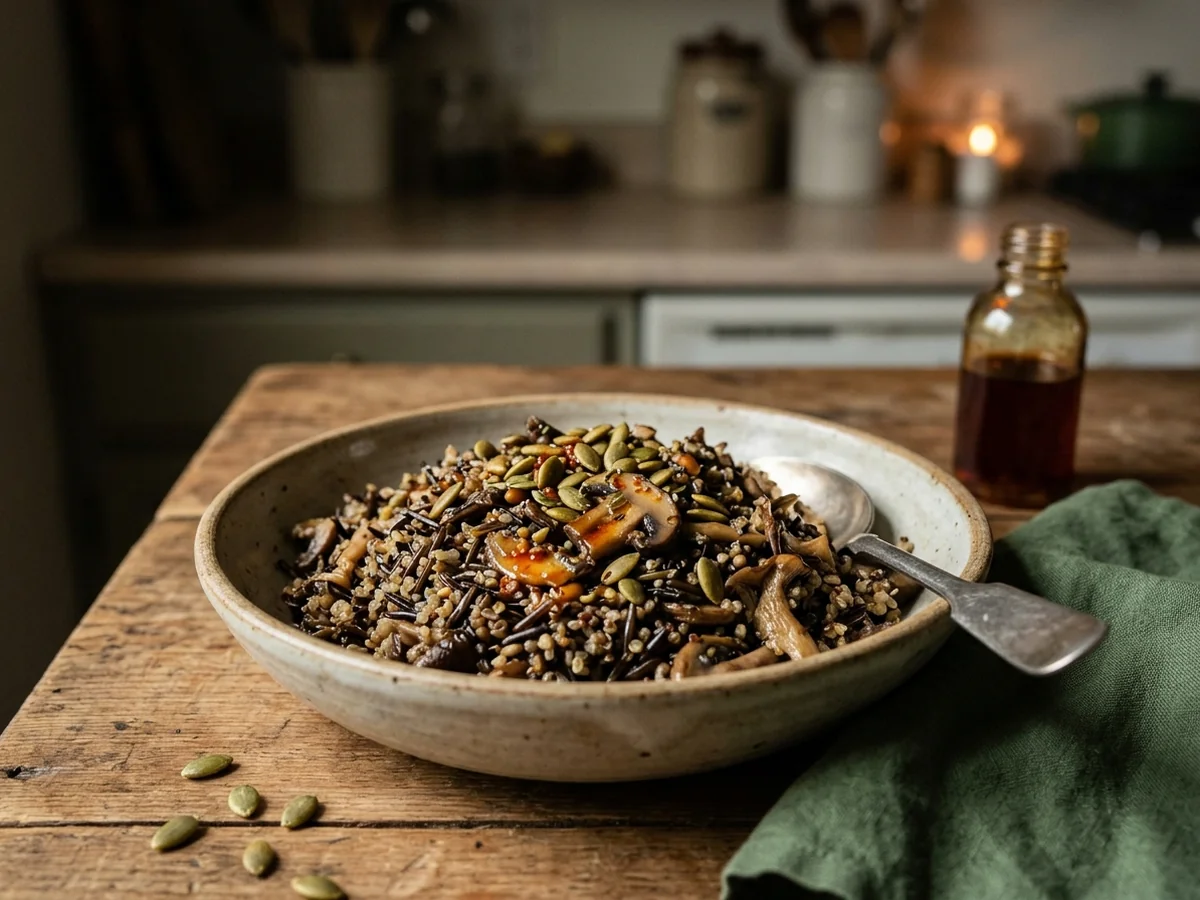
Hearty grains and wild rice dressings deliver earthy textures and bold savory notes that elevate a holiday table without relying on heavy gravies. Wild rice combined with earthy mushrooms and a touch of chile crisp creates a complex, warming dish that easily doubles as one of your easy healthy thanksgiving side dishes for the big meal. Building a vibrant holiday spread also means incorporating nutrient-dense components, keeping in mind that official nutrition guidance emphasizes filling plates with generous portions of fruits and vegetables.
Building Depth with Flavorful Broths and Healthy Fats
A common mistake when making grain-based dishes is overlooking the cooking liquid. Using a rich vegetable broth instead of plain water infuses the wild rice with deep flavor from the start. To add a modern culinary twist, many home cooks enhance these savory notes by cooking with heart-healthy fats like extra-virgin olive oil and avocado oil, as recommended by health guidelines. This approach ensures your table features exceptional taste alongside smart nutritional choices, making it a reliable option when you need healthy thanksgiving recipes for family gatherings.
Streamlining Your Holiday Prep Timeline
Busy hosts can streamline their schedules by preparing grain components several days in advance. Cook the wild rice and roast the mushrooms up to two days ahead, storing them in airtight containers in the refrigerator until final assembly. When planning nutritious vegetable dishes to feed a large group, organizing your prep timeline prevents last-minute stress in the kitchen and frees up oven space on the actual holiday.
Safe Food Handling for Make-Ahead Grains
Safe holiday food handling remains essential when preparing dishes ahead of time. Standard food safety protocols recommend keeping perishable ingredients out of the temperature danger zone by chilling cooked grains rapidly and reheating them thoroughly to an internal temperature of 165 degrees Fahrenheit before serving. Following these straightforward food safety steps protects your guests while delivering a memorable meal.
Satisfying High Protein Thanksgiving Side Dishes
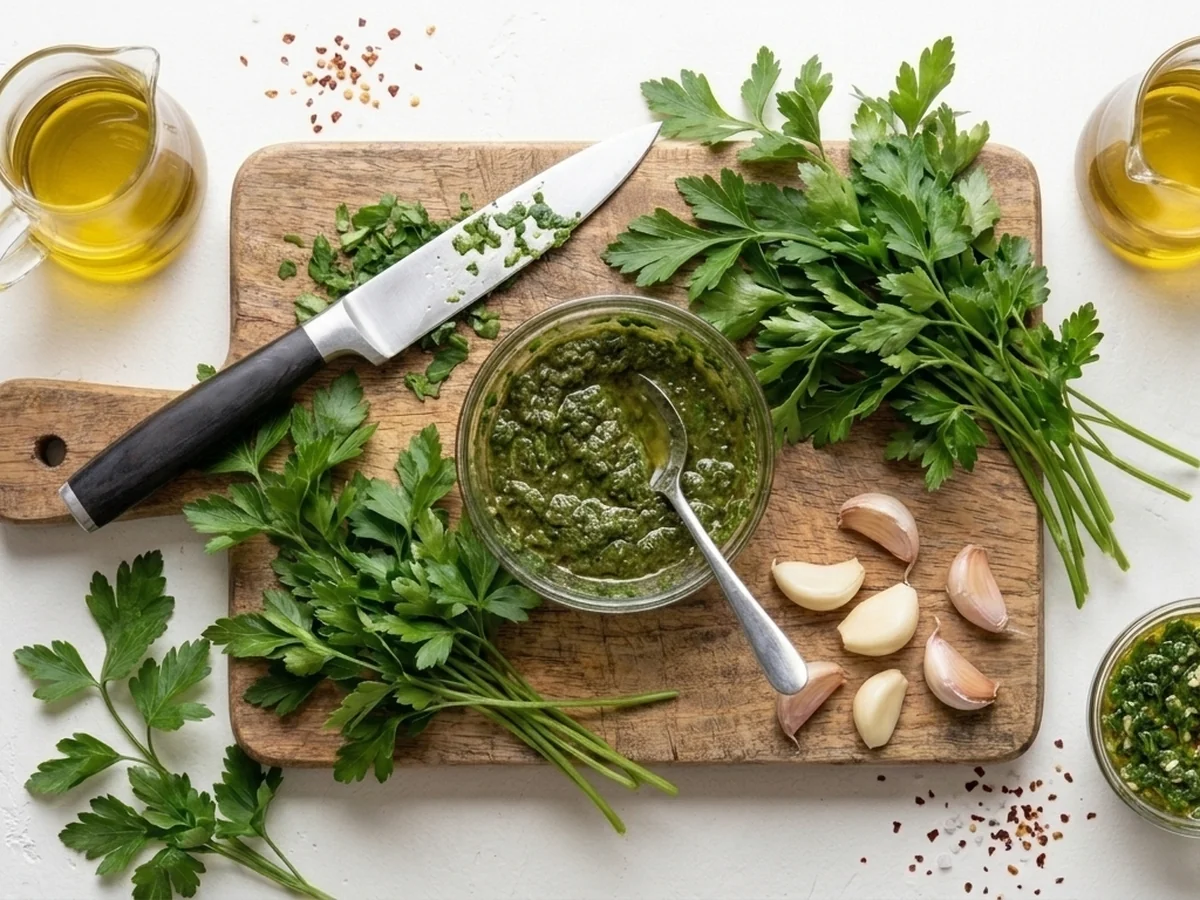
Building protein‑rich Thanksgiving sides relies on nutrient‑dense plant foods and smart ingredient swaps that keep guests full without weighing them down. You can easily upgrade your festive table by featuring hearty, protein‑packed plant‑based creations that satisfy diverse dietary preferences. The Dietary Guidelines for Americans, updated by the Health and Human Services Department, advise filling plates with fruits and vegetables.
Registered dietitian nutritionist Samantha Cassetty encourages intentional choices that focus on fiber and protein. Rather than restricting traditional favorites, this mindset lets you enjoy deeply satisfying meals that support overall wellness. When planning nourishing vegetable sides for a gathering, incorporating plant proteins helps balance heavier seasonal dishes without sacrificing flavor or festive appeal.
A spicy peanut and pumpkin soup serves as an ideal protein and fiber rich starter for your feast. This warming bowl combines smooth autumn squash with nutty depth, waking up taste buds before the main course. Cooking with heart‑healthy fats like extra‑virgin olive oil and avocado oil is recommended by health guidelines, and using these oils in your soup base enhances both texture and nutritional value.
Vegan poblano macaroni and cheese offers a comforting yet plant‑based option that brings smoky heat and creamy richness to the spread. It proves that dairy‑free holiday cooking can taste indulgent while delivering plenty of nutrition. Similarly, nutrient‑dense lentil‑based accompaniments bring earthy flavor and substantial protein to every plate. French lentil salads mixed with herbs and bright dressings hold their texture beautifully on a crowded holiday table, providing reliable options for home cooks seeking healthy Thanksgiving recipes for family gatherings.
To execute these dishes successfully, home cooks should focus on a few practical steps. Roast or prep your vegetable components ahead of time, and keep dressings or heavy sauces separate until just before serving to preserve crisp textures. A common mistake is relying solely on heavy dairy to build richness when plant‑based fats and nutrient‑dense purees offer superior depth without the sluggish aftermath. By balancing protein, fiber, and smart culinary techniques, your holiday table will remain both vibrant and deeply satisfying.
Healthy Olive Oil Roasted Carrots
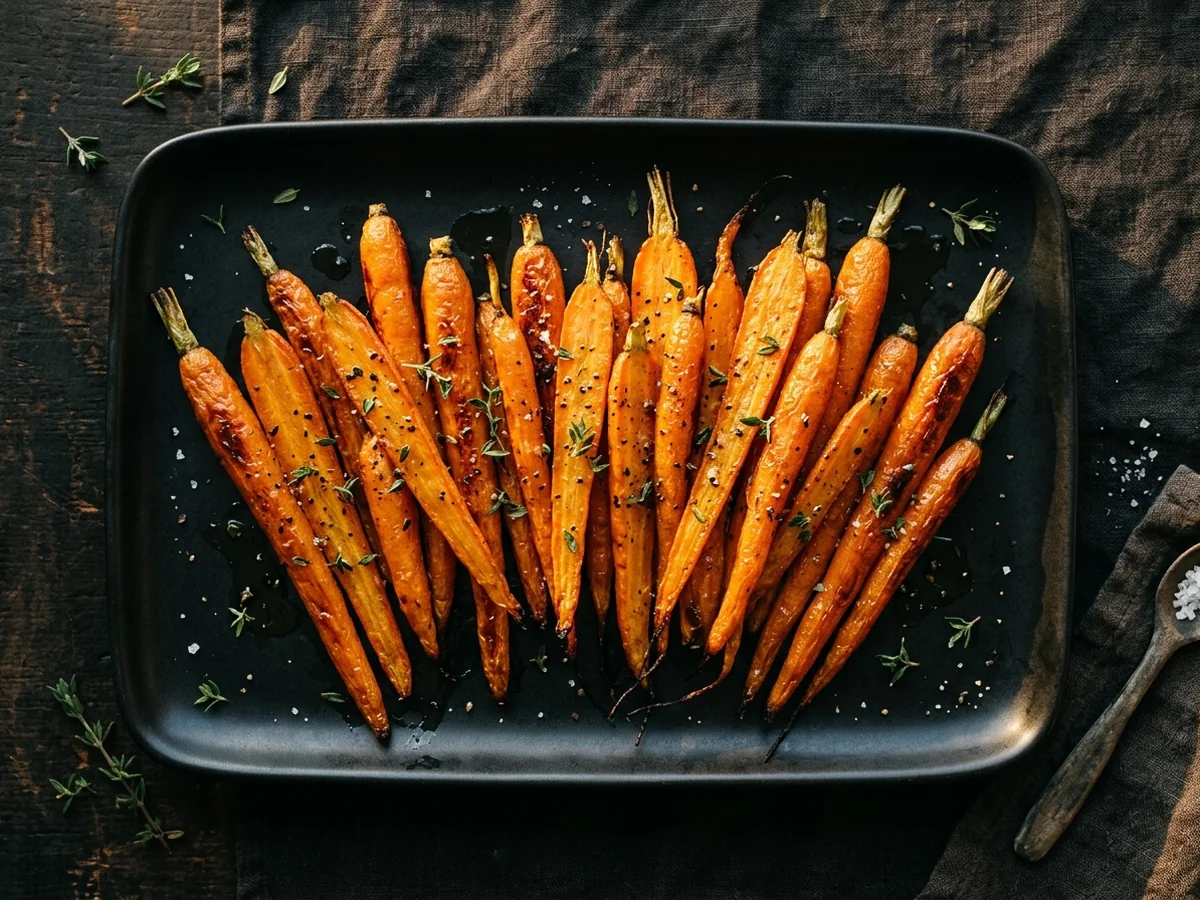
Roasting natural root vegetables with heart-healthy oils creates a vibrant dish that fits right into a seasonal menu of healthy thanksgiving side dishes. Carrots caramelize naturally in the oven when tossed in unsaturated fats, which brings out their deep sweetness without needing heavy additions, making them ideal vegetable preparations for a festive holiday table.
Cooking with heart-healthy fats like extra-virgin olive oil and avocado oil is recommended by health guidelines. Culinary professionals often use extra-virgin olive oil instead of butter in vegetable preparations to add fruitiness and reduce saturated fat. The Harvard T.H. Chan School of Public Health supports swapping solid animal fats for liquid plant oils to protect long-term wellness. Additionally, official nutrition policies from the Health and Human Services Department encourage adding plenty of fruits and vegetables to every holiday plate.
Understanding the why behind this technique helps home cooks achieve the best texture. High heat allows natural sugars inside the root vegetables to concentrate, while unsaturated fats conduct heat evenly across the surface. Skipping heavy dairy sauces keeps the dish light, satisfying the search for nutritious plant-based vegetables that appeal to various dietary needs. This approach also integrates well when preparing healthy thanksgiving recipes for family gatherings where guests appreciate lighter vegetable options alongside traditional roasts.
Practical Steps for Roasting Carrots
- Toss peeled whole carrots in extra-virgin olive oil, sea salt, and cracked black pepper before roasting at high heat on a rimmed baking sheet.
- Spread the vegetables in a single layer with adequate space between pieces to ensure proper browning rather than steaming.
- Finish the tender vegetables with chopped fresh herbs like parsley or chives for brightness.
- Add a splash of fresh orange juice or lemon zest to enhance the earthy sweetness of the carrots naturally.
Nutritional Benefits of Plant-Based Fats
Choosing liquid plant oils over solid animal fats aligns with modern dietary recommendations established by health authorities. These unsaturated fats supply essential fatty acids and help the body absorb fat-soluble vitamins found naturally in root vegetables. By focusing on simple preparation methods that rely on natural caramelization rather than heavy cream sauces, home cooks can deliver flavorful dishes that support overall wellness without sacrificing seasonal taste.
Common Mistakes to Avoid
A frequent error when preparing this dish is overcrowding the pan, which traps moisture and prevents caramelization. Another pitfall is using low oven temperatures, which results in mushy vegetables instead of tender pieces with crisp edges. Ensuring the oven is fully preheated to a high temperature, typically around 400 degrees Fahrenheit, guarantees superior results for your family gathering. Allowing enough space on the baking sheet ensures that the natural sugars develop a rich, savory depth during the roasting process.
Make-Ahead Roasted Brussels Sprouts
Balancing a busy holiday schedule often means looking for simple, nutritious options that minimize day‑of preparation. Preparing roasted Brussels sprouts in advance keeps holiday hosting organized and reduces kitchen stress when dinner time arrives. Naturally gluten free, dairy free, and nut free, this vegetable dish provides a safe and inclusive option for guests managing strict dietary restrictions during family gatherings.
| Attribute | Detail |
|---|---|
| Prep Time | 15 minutes |
| Dietary Labels | Gluten Free, Dairy Free, Nut Free |
| Cooking Fat | Extra-Virgin Olive Oil |
| Make-Ahead Window | Up to 2 days prior |
The Dietary Guidelines for Americans, updated by the Health and Human Services Department, recommend filling plates with fruits and vegetables. When planning dishes for a crowd, incorporating nutrient-dense produce supports balanced eating patterns. Cooking with heart‑healthy fats like extra‑virgin olive oil and avocado oil is recommended by health guidelines, offering a smart alternative to heavier traditional ingredients.
Structuring Your Holiday Prep Timeline
Home cooks can streamline the process by trimming and halving the Brussels sprouts up to two days ahead of time. Storing the prepared vegetables in airtight containers in the refrigerator preserves their freshness until roasting day. This method eliminates the frantic chopping phase on the holiday itself, allowing you to focus on cooking the main turkey or greeting arriving family members.
Avoiding Common Roasting Mistakes
A common mistake to avoid is overcrowding the baking sheet, which traps moisture and prevents the vegetables from achieving a crispy, caramelized exterior. Ensuring adequate space between each sprout guarantees the best texture when serving dishes at family tables. If you are doubling the batch to feed a larger gathering, use two separate sheet pans rather than piling everything onto one surface.
Nutritional Benefits and Dietary Inclusivity
Selecting nutrient‑rich vegetables helps answer common questions about what constitutes the healthiest food to eat on Thanksgiving. By utilizing plant‑based fats and focusing on whole foods, holiday hosts can effortlessly accommodate guests who require high protein thanksgiving side dishes or allergy‑friendly alternatives. These Brussels sprouts deliver bold flavors and satisfying textures while keeping holiday meals wholesome and balanced.
Frequently Asked Questions About Healthy Thanksgiving Side Dishes
What are some healthy side dishes I can eat for Thanksgiving?
Nutritious options include roasted root vegetables, wild rice bowls, and vibrant green salads tossed in bright citrus vinaigrettes. The Dietary Guidelines for Americans, revised by the Health and Human Services Department, advise filling plates with fruits and vegetables to maintain balanced nutrition during holiday meals.
What is the healthiest food to eat on Thanksgiving?
Unprocessed plant foods like fresh roasted vegetables, leafy greens, and lean proteins provide the highest nutrient density for your holiday table. Cooking with heart-healthy fats like extra-virgin olive oil and avocado oil is recommended by health guidelines to support cardiovascular wellness without sacrificing flavor.
What are some good high-protein dishes to eat for Thanksgiving?
Nutritious protein choices range from roasted turkey breast to hearty grain salads featuring lentils, quinoa, and wild rice. You can also boost protein counts by incorporating toasted pumpkin seeds or protein-rich legumes into your vegetable side dishes.
What are the top 5 side dishes for Thanksgiving?
Traditional holiday favorites include roasted Brussels sprouts, green bean preparations, mashed potatoes, cranberry sauce, and savory stuffing. Many modern home cooks update these classics by roasting vegetables in plant-based oils and replacing heavy dairy ingredients with lighter broths or herbs.
Conclusion and Final Holiday Encouragement
Crafting a vibrant and stress‑free holiday meal starts with keeping your menu focused on fresh, vegetable‑forward dishes. The Dietary Guidelines for Americans, as updated by the Health and Human Services Department, recommend filling plates with fruits and vegetables. Cooking with heart‑healthy fats like extra‑virgin olive oil and avocado oil is recommended by health guidelines. By embracing these seasonal ingredients with confidence, you can serve nutritious Thanksgiving sides that nourish your family without adding extra kitchen chaos.
Sources: cdn.realfood.gov, health.harvard.edu
You might also like: 10 Cozy Thanksgiving Desserts for Family Gatherings