10 Massage Cushion Options for Relaxation
Introduction
A massage cushion provides targeted muscle relaxation by applying various mechanical movements to specific areas of the back and seat. These devices serve as a convenient way to integrate therapeutic comfort into your home or office environment.
This article examines ten options to help you distinguish between different motor configurations and design features. We cover common mechanisms like shiatsu and vibration, along with essential safety considerations for users with medical conditions or those who are pregnant. You will also find guidance on evaluating portability, intensity control, and upholstery quality to ensure you select a device that matches your specific comfort needs.
Types of Massage Cushions
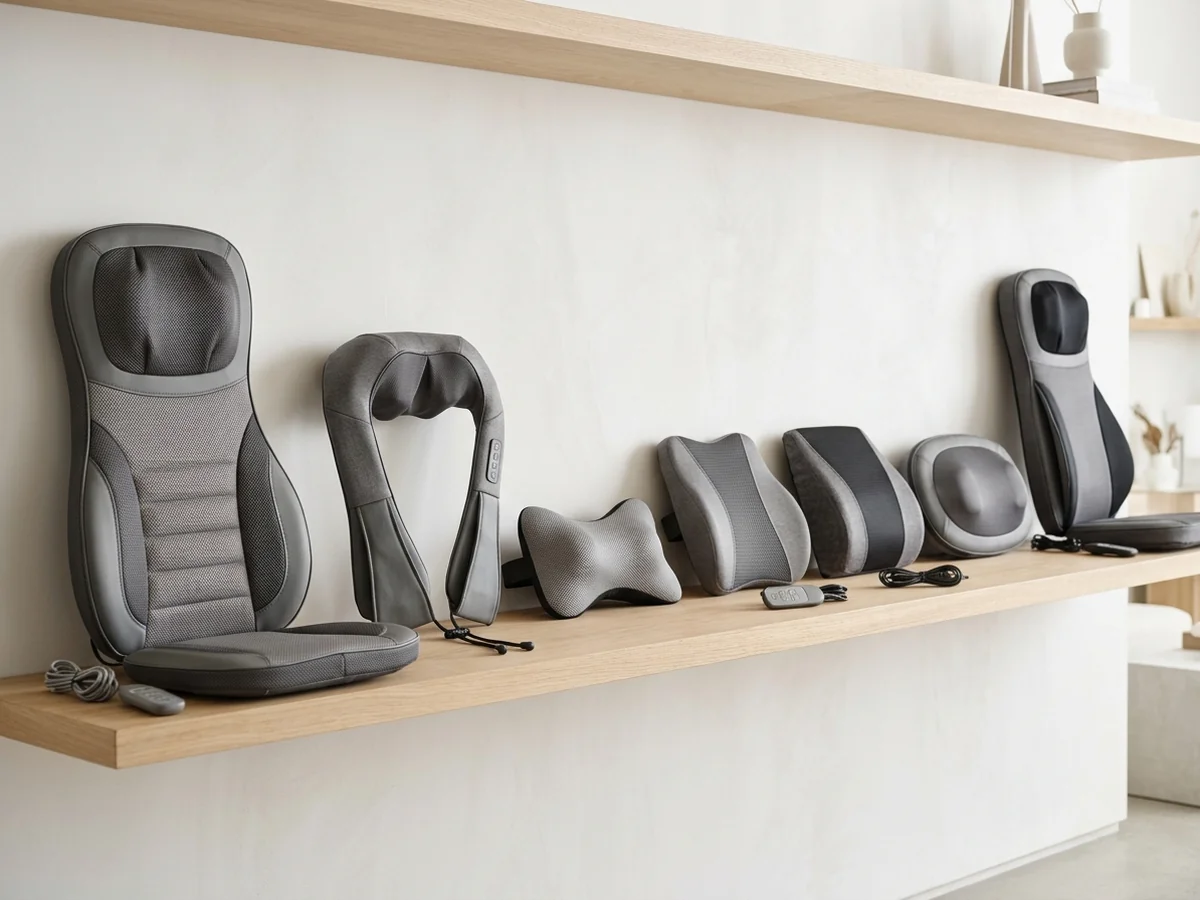
A massage cushion is an assistive tool designed to simulate manual techniques, helping users manage muscle tension while seated. These devices are intended to integrate into daily routines, whether you are working at an office chair or resting at home. Because individual comfort needs vary, manufacturers utilize different mechanical approaches to address muscle discomfort.
Common Massage Mechanisms
Most devices rely on rolling, shiatsu, or vibration mechanisms. Shiatsu models typically use rotating nodes that mimic finger pressure, while rolling mechanisms move vertically along the spine to knead the muscles. Vibration-style units often feature multiple motors distributed throughout the seat and back areas to provide a broader, less targeted sensation. Many devices allow users to focus the action on the upper, mid, or lower back depending on where they feel the most tension.
Adjusting Intensity and Portability
To ensure a comfortable experience, some designs include detachable flaps. These layers act as a buffer between the user and the internal nodes, allowing for a softer, less intense feeling. When evaluating different models, consider how their power source impacts your usage:
| Feature | Common Consideration |
|---|---|
| Cordless/Battery | Often prioritizes portability, though run-time may be restricted to preserve battery life. |
| Rechargeable | Typically offers around 70 minutes of continuous use before requiring a full recharge. |
| Safety Features | Many units include an automatic shut-off function to prevent the device from overheating. |
Essential Safety Considerations
Because these products interact directly with the body, safety should always be the priority. According to the Texas Tech University Student Counseling Center, pregnant individuals should consult a doctor before using any massage devices. Furthermore, common guidance dictates that people with pacemakers must speak with a healthcare professional before operating this equipment to ensure the electrical components do not interfere with their medical device.
If you are integrating these tools for office chair use, ensure the device is securely strapped and does not interfere with the ergonomic adjustments of your seating. Always verify that your chosen model is designed for the specific chair style you use, as improper fitment can influence the effectiveness of the nodes and your overall posture during use.
Understanding Massage Cushion Mechanisms
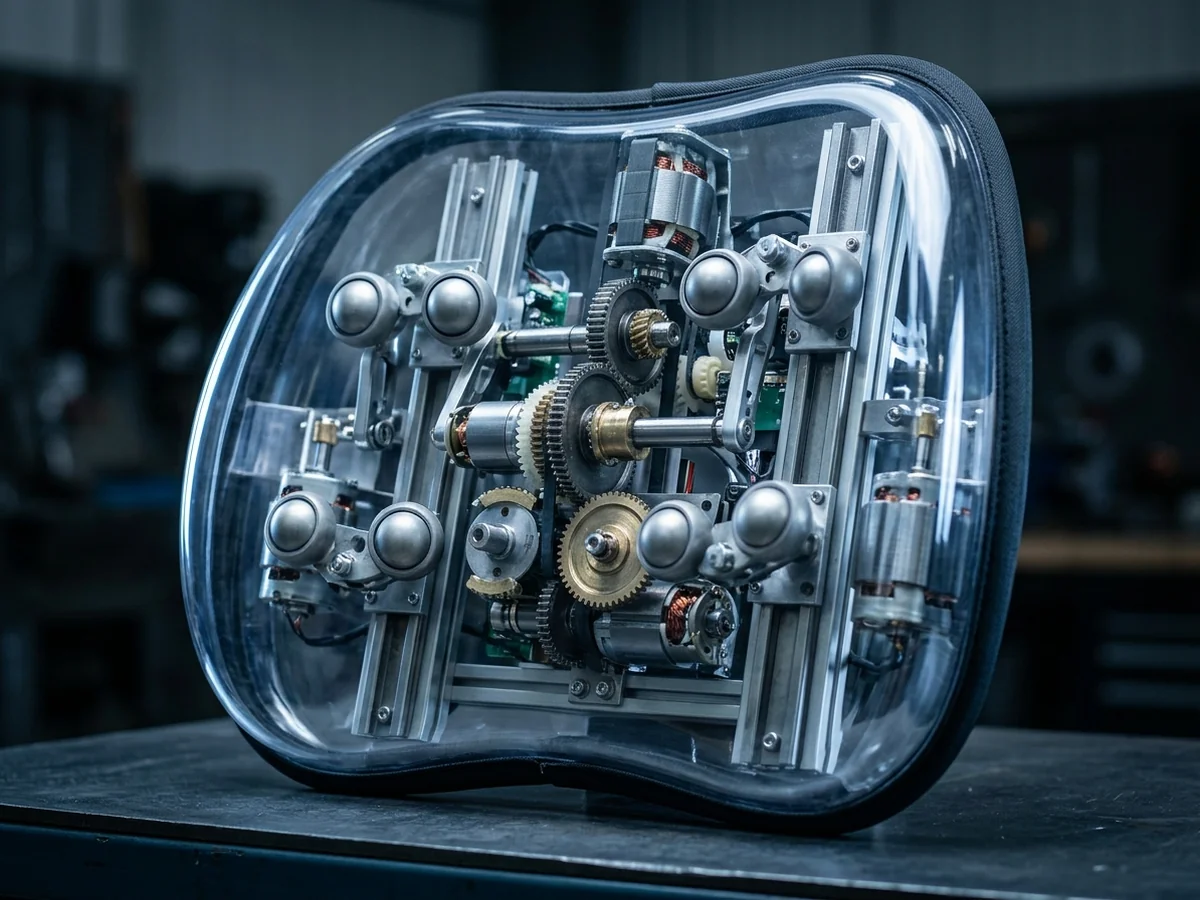
These devices function by using internal motors and mechanical components to apply physical pressure or motion to the back and seat areas. Such hardware is often designed to target specific zones, including the upper, mid, and lower back. By integrating these components into an office chair or recliner, users can incorporate relaxation into their daily routine.
Common Mechanical Systems
These products can utilize rolling, shiatsu, or vibration mechanisms to provide different sensations. Shiatsu models use a set of rotating nodes designed to simulate the feel of finger pressure. These nodes move in circular patterns to knead muscles and address areas of tension. Because shiatsu intensity can be high, it is common practice for manufacturers to include detachable flaps that act as a buffer to soften the pressure if it feels too strong for the user.
Vibration-style units operate through a different mechanical principle, often featuring multiple motors distributed throughout the seat and back areas to create a steady, oscillating sensation. While rolling or shiatsu mechanisms focus on deep tissue movement, vibration systems are typically chosen for a more generalized, soothing effect across a larger surface area.
Power and Operational Features
Many units are sold as a shiatsu massage cushion with heat, combining mechanical movement with surface warmth to enhance comfort. Regardless of the feature set, it is common practice for these devices to include an automatic shut-off function, which helps prevent the unit from overheating during extended sessions. Users should note that cordless or rechargeable versions may have battery life limitations, such as 70 minutes of continuous use, and these models occasionally restrict heat settings to preserve power.
Safety and Precautions
Safety remains a priority when operating any motorized relaxation device. According to Texas Tech University, it is a verified fact that pregnant individuals should consult a doctor before using massage devices to ensure they are appropriate for their specific health needs. Furthermore, it is common practice for people with pacemakers to consult a healthcare professional before using these devices. This is because the internal electromagnetic components or mechanical vibrations could potentially interfere with sensitive medical equipment. Before using a massage cushion for office chair setups or home seating, always ensure the device is securely strapped to the chair to prevent shifting during operation, and inspect the upholstery for signs of wear that could expose internal mechanical parts.
Targeting Specific Muscle Zones
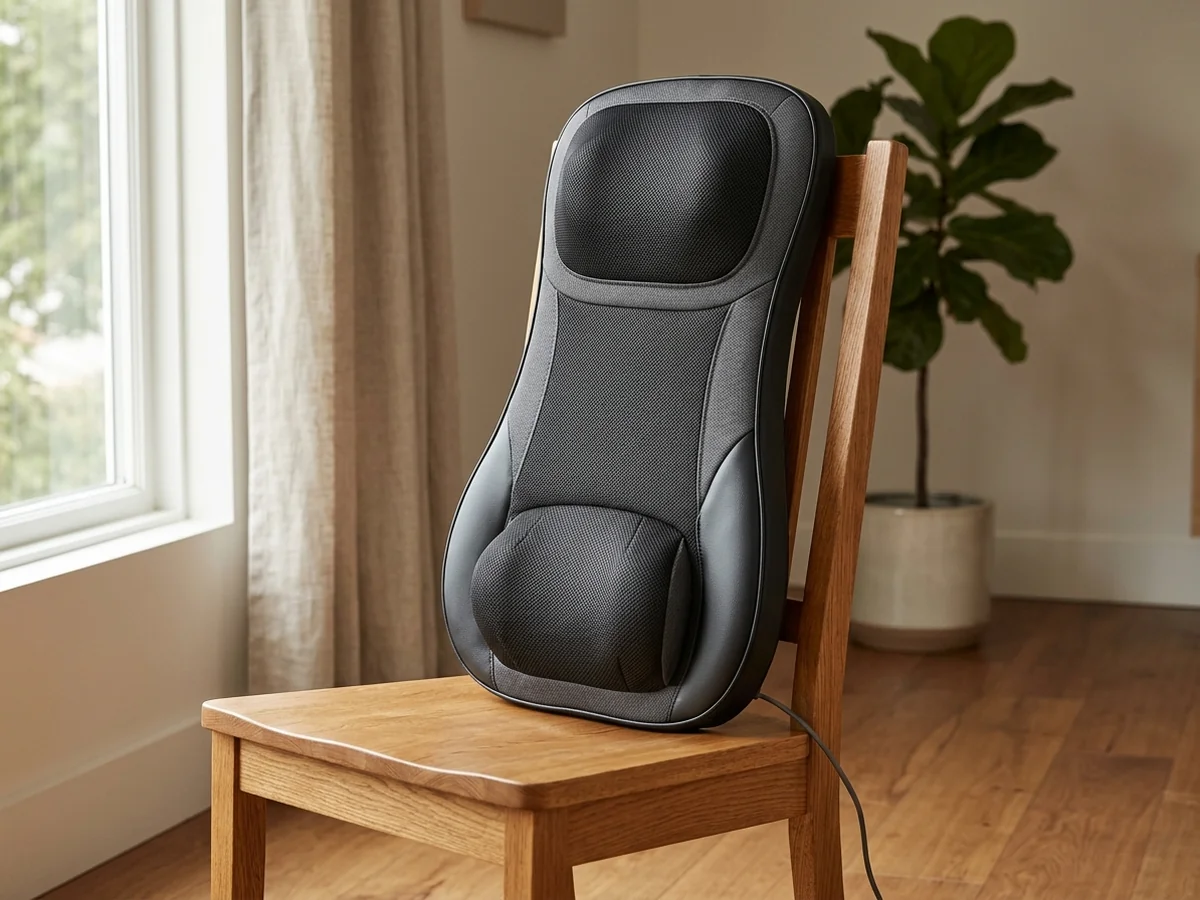
Selecting a massage cushion requires matching device capabilities to your specific physical needs. Whether you require relief from daily stiffness or targeted lumbar support, understanding how internal mechanisms interact with your back anatomy is essential for a productive session. Most devices are designed to address the upper, mid, and lower back independently, allowing for a more customized experience.
Mechanism Variety and Zone Control
Typical practices in device engineering involve using specific movement patterns to isolate tension. Common mechanisms found in these products include rolling, shiatsu, or vibration functions. Vibration-style cushions frequently feature multiple motors distributed throughout the seat and back areas to provide broad coverage.
In contrast, models focused on deep tissue or shiatsu massage often use nodes that move along a track to reach specific spinal regions. To manage intensity, some designs include detachable flaps, which serve as a simple way to soften the pressure if the nodes feel too direct against your muscles.
Ergonomic Considerations
Effective use of a massage cushion for an office chair depends heavily on proper fitment. Checking the vertical range of motion for the internal mechanisms is vital to ensure the massage nodes align with your specific body height. If the device is too short or too tall for your frame, the nodes may hit your spine or shoulders incorrectly, reducing both comfort and effectiveness.
When choosing a model, evaluate how the unit secures to your chair, as stable positioning prevents the device from sliding during use.
Important Safety Precautions
While these devices are intended for relaxation, user safety must remain a priority. Pregnant individuals should consult a doctor before using any massage devices to ensure the activity is safe for their specific circumstances. Additionally, common guidance dictates that people with pacemakers consult a healthcare professional before using such equipment to avoid potential interference with sensitive medical devices.
Always look for units that include an automatic shut-off function, which is a common practice used to prevent the device from overheating during extended sessions. If you are using a cordless or rechargeable model, be aware that these units may have battery life limitations, such as 70 minutes of continuous use, and some may restrict heating settings to preserve power for the motors.
Evaluating Cordless and Wired Options
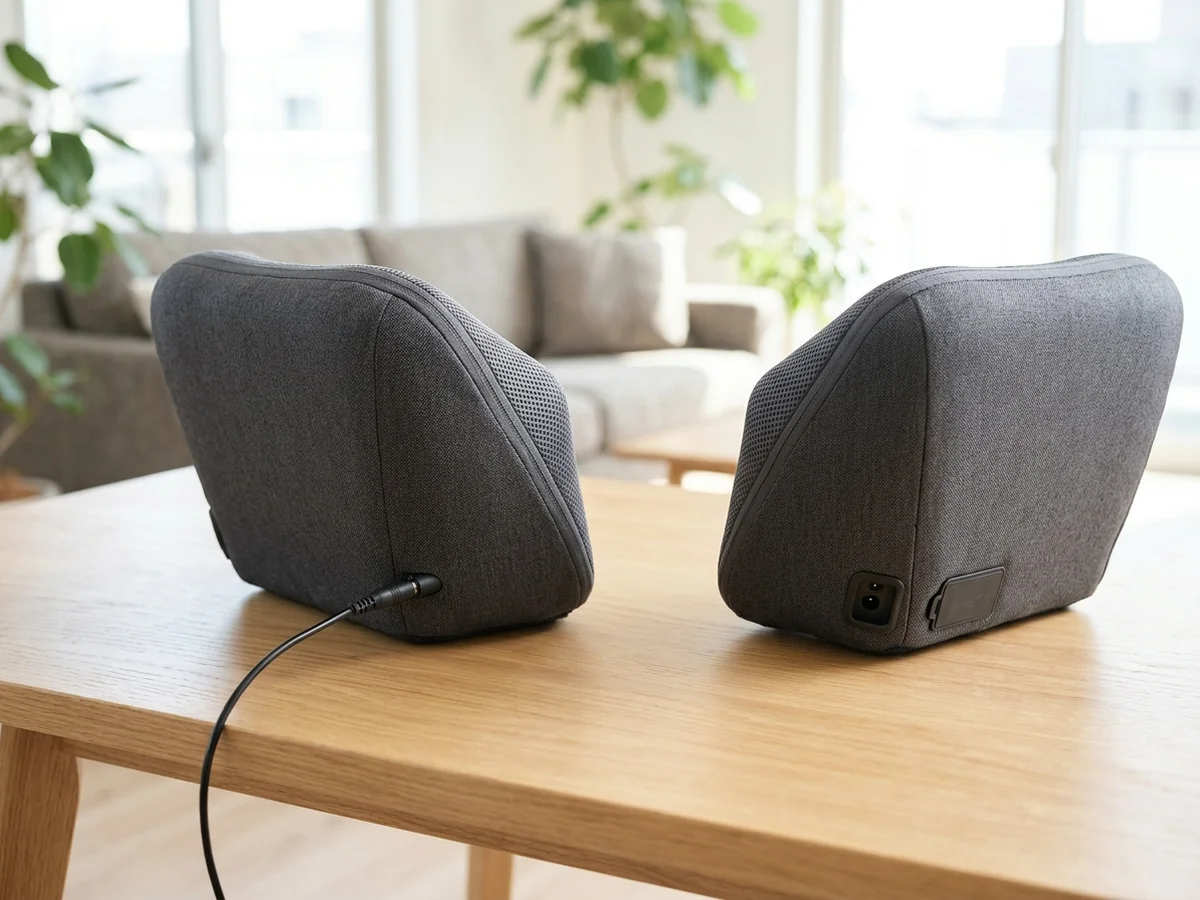
The decision to choose between a portable unit and a plug-in device typically centers on your specific mobility requirements versus the need for consistent, long-term power. Each power delivery method significantly influences how a device performs during a daily session, affecting everything from intensity to the duration of use.
Performance Dynamics of Cordless Models
Cordless designs are valued for their portability, allowing for use in various locations, such as a casual armchair or an office chair, without the restriction of a nearby wall outlet. These units rely on internal rechargeable batteries, which naturally introduce limitations. It is common practice for such devices to offer around 70 minutes of continuous use before requiring a full recharge.
Because maintaining consistent voltage is difficult as a battery drains, manufacturers often implement constraints to preserve battery health. You may find that cordless models restrict heating intensity or limit the total run-time during a single session. If you prioritize deep tissue techniques or require extended sessions to address muscle tension, these power management features might impact the overall effectiveness of the product.
The Reliability of Wired Devices
Wired models provide a reliable, steady source of power for longer durations. By drawing electricity directly from a wall outlet, these products avoid the performance fluctuations associated with depleting batteries. A wired option is often preferred if you intend to use the device for extended periods or if you require maximum intensity and consistent heat throughout the entire session. These units are typically designed for stationary setups where the device remains secured to a specific chair or sofa.
The following table summarizes the primary trade-offs when selecting your power source:
| Feature | Cordless Models | Wired Models |
|---|---|---|
| Power Consistency | Decreases as battery drains | Constant and steady |
| Flexibility | High; can be used anywhere | Low; requires proximity to outlet |
| Session Duration | Limited by battery capacity | Unlimited use potential |
| Performance | May have restricted intensity | Full intensity capabilities |
Essential Safety and Maintenance Considerations
Regardless of the power source, prioritizing safety is mandatory. Individuals with pacemakers should consult a healthcare professional before using these products. Furthermore, the Texas Tech University Student Counseling Center states that pregnant individuals should consult a doctor before using any massage devices.
To ensure longevity and safe operation, always follow the manufacturer guidelines regarding usage limits. Many devices incorporate an automatic shut-off function to prevent overheating, which serves as a vital safeguard during longer sessions. When selecting between models, consider your typical environment: if you move between rooms frequently, the freedom of a cordless unit may outweigh the power benefits of a wired alternative.
Customizing Your Massage Intensity
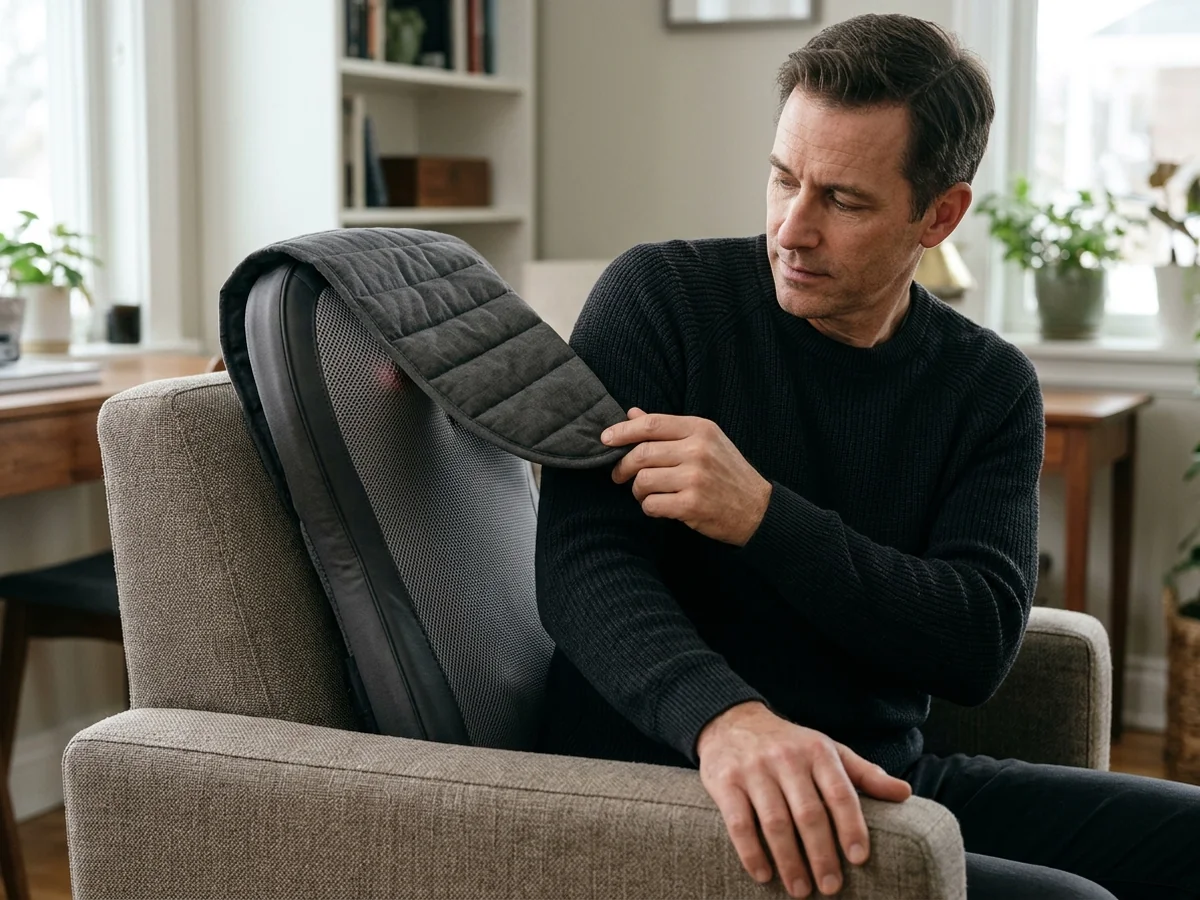
Achieving the right level of pressure is essential for a comfortable session. Because every individual has a different tolerance for deep tissue or light stimulation, modern devices often provide several ways to modify the sensation. Managing the strength of your massage cushion experience typically involves a combination of physical positioning and technical adjustments.
Physical Adjustments for Comfort
You can often influence the intensity by changing how your body interacts with the device. If a massage feels too aggressive, try leaning forward slightly or placing a pillow between your back and the device to create a buffer. Many cushions include detachable flaps or pads that act as a barrier to soften the intensity of the massage nodes against your skin. This is a common and effective way to reduce the direct contact of rolling or shiatsu mechanisms without needing to change the device settings. Additionally, ensuring the cushion is securely strapped to your office chair or seat helps maintain consistent alignment, as shifting or slouching can alter the pressure points and potentially cause discomfort.
Technical Control Features
Beyond manual positioning, many models offer technical settings to change the pace and depth of the massage. These typically include:
- Variable Speed Settings: Many cushions allow you to toggle between slow, gentle relaxation and more vigorous stimulation to suit your current needs.
- Massage Mechanisms: Devices often utilize different modes, such as rolling, shiatsu, or percussive movements, which provide distinct sensations.
- Vibration Systems: Vibration-style cushions frequently feature multiple motors distributed throughout the seat and back areas. If your model includes these, you can often cycle through various patterns or intensity levels to target specific muscle groups like the upper, mid, or lower back.
When customizing your routine, be mindful of device limitations. Rechargeable or cordless models may have battery life constraints, such as 70 minutes of continuous use, and some may restrict vibration or heating settings to preserve power. Always look for an automatic shut-off function, a common feature designed to prevent the unit from overheating during extended sessions.
Safety and Medical Considerations
While these tools are designed for general relaxation and improving comfort at a workstation, they are not medical devices. It is vital to prioritize safety before adjusting settings to high-intensity levels, especially if you have existing health concerns. Pregnant individuals should consult a doctor before using any massage device to ensure it is appropriate for their specific situation. Similarly, anyone with a pacemaker should speak with a healthcare professional before use, as the electronic components or vibration motors could potentially interfere with medical equipment. Always stop the massage if you experience sharp pain or persistent discomfort, as the goal is to relieve muscle tension rather than cause physical strain.
Safety Precautions and Considerations
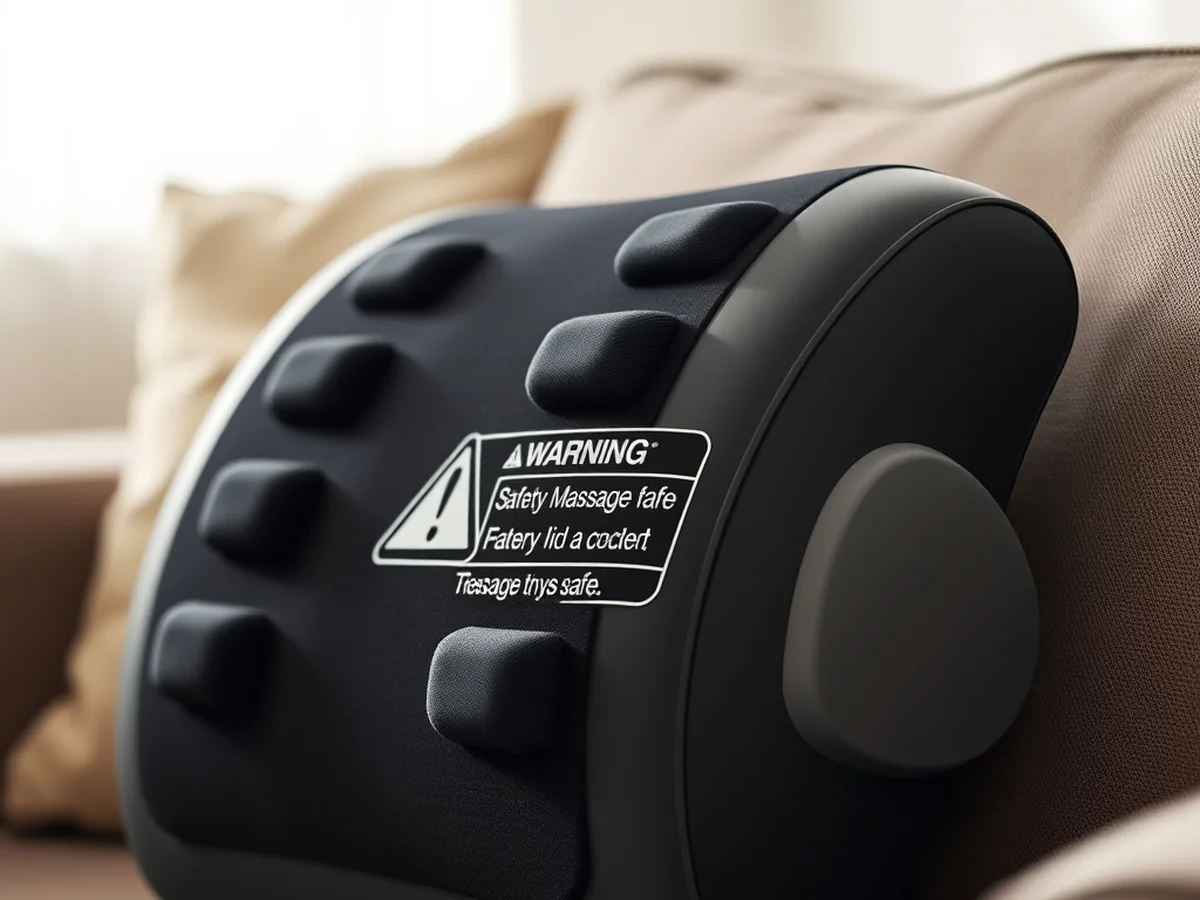
Prioritizing your well-being is essential when incorporating wellness tools into your daily routine. Before using a massage device, it is important to understand specific health warnings and built-in protective features to ensure a safe experience. These products are designed for relaxation rather than as a substitute for professional medical treatment.
Medical Precautions and Consultations
Certain health conditions require professional medical clearance before you use a massage cushion. According to research provided by Texas Tech University, pregnant individuals should consult a doctor before using massage devices. This precaution ensures that any mechanical or vibrational pressure is appropriate for your specific health circumstances.
Similarly, people with pacemakers should consult a healthcare professional before using such equipment. Because these units often rely on electromagnetic components and electric motors, checking with your doctor helps confirm that the gear will not interfere with your specific medical device. If you have any underlying health issues, or if you are currently under the care of a physician for chronic back pain, always seek their guidance before adding a new tool to your daily regimen.
Understanding Device Safeguards
To support safe operation, many manufacturers include built-in safeguards. It is common practice for this type of product to feature an automatic shut-off function to prevent overheating. This mechanism typically triggers after a set period of continuous use, allowing the internal motors to cool down and protecting the hardware from potential damage caused by excessive heat buildup.
When selecting a model, remember that vibration-style units often feature multiple motors distributed throughout the seat and back areas. If you find the intensity of these motors or the mechanical nodes too strong, some options include detachable flaps to soften the intensity. These flaps act as a buffer between your skin and the massage mechanism, providing a more comfortable experience for those who are sensitive to deep pressure.
Practical Usage and Maintenance
Always pay attention to how your body responds to the massage. Whether you are using a shiatsu model with heat or a standard vibration version, the goal is comfort. If you experience discomfort or pain during a session, discontinue use immediately.
Users should also be aware of power limitations. Rechargeable units may have battery life limitations, such as 70 minutes of continuous use. Cordless models often restrict heating settings or overall run-time to preserve battery life, which is a design trade-off intended to keep the unit portable. By following these basic safety steps and respecting the limits of your equipment, you can enjoy the benefits of your massage cushion while minimizing potential risks.
Best Chairs for Cushions
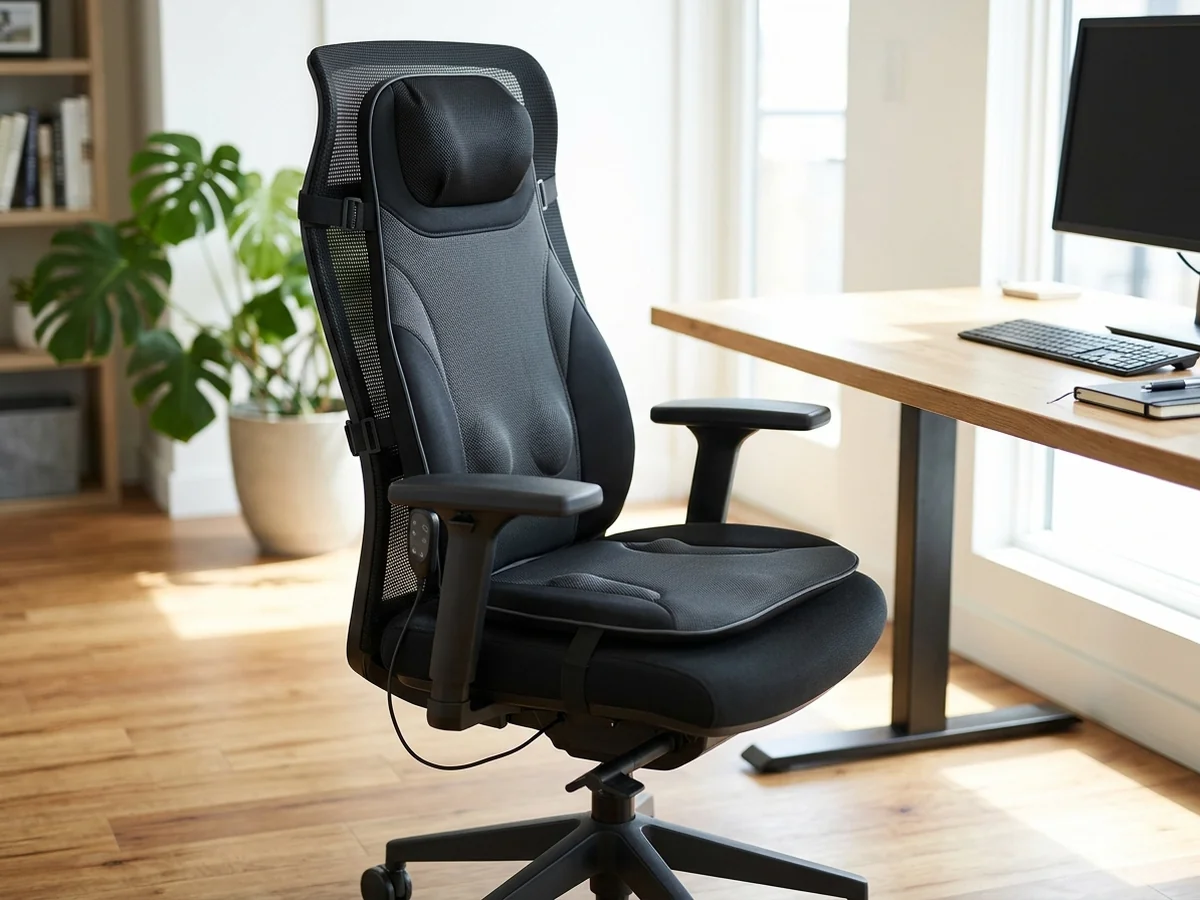
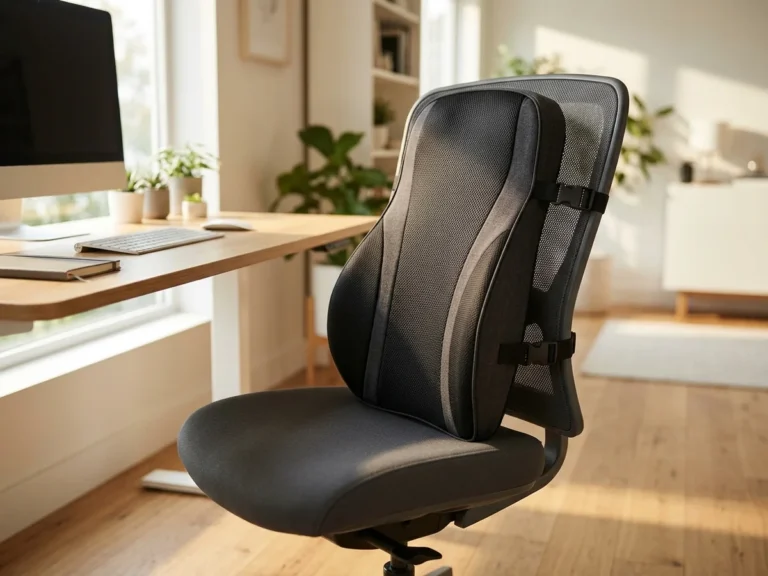
The most suitable chairs for a back relaxation device feature a high, stable backrest and a flat, non-contoured seat base. You should look for office chairs that provide firm, consistent support to ensure the unit remains stable during operation.
Proper ergonomics are essential for effective use of a back relaxation unit for office chair setups. When the device is correctly positioned, the internal nodes align naturally with the spine and lumbar region, which helps prevent discomfort or misalignment during a session. Avoid using these tools on chairs with deep, bucket-style seats, as these can interfere with the intended contact points and reduce the effectiveness of the mechanism.
Strapping systems are frequently used to secure the unit to the chair back for safety. These adjustable straps prevent the product from slipping or shifting when you lean back, ensuring a consistent experience throughout your session. It is important to tighten these straps firmly, though you should check that they do not conflict with any existing lumbar adjustment features on your chair.
To achieve the best results, consider these setup guidelines:
- Ensure the chair back is tall enough to support the full length of the device.
- Adjust the chair height so your feet remain flat on the floor while the nodes target your desired back area.
- Check that the chair material is durable enough to withstand the pressure of the internal massage motors.
- Place a thin towel between the unit and the chair if you notice any slipping on smooth upholstery.
When using a back relaxation tool, keep in mind that consistent posture is just as important as the device itself. Even with a high-quality unit, maintaining a neutral spine position helps the rollers or vibration motors work more effectively against the muscles. If you find that the intensity is too high, you may need to adjust your sitting angle slightly or add a small cushion behind the device to soften the contact against your back.
Always verify that your office chair is rated for the additional weight of the unit. Most standard chairs can accommodate the weight, but heavy-duty models with reinforced frames provide the most secure foundation. By stabilizing the product properly, you ensure that the internal components can focus their energy on muscle relaxation rather than compensating for a shifting or unstable chair back.
Safety precautions are vital for all users. According to Texas Tech University, pregnant individuals should consult a doctor before using massage devices. Additionally, as a common precaution, people with pacemakers should consult a healthcare professional before using these products to ensure compatibility with the electronic components.
FAQ
What is a massage cushion?
These devices are designed to provide relief by applying pressure or movement to specific body areas, such as the upper, mid, or lower back. Many models incorporate mechanisms like rolling, shiatsu, or vibration to simulate manual techniques while you remain seated.
Can people who are pregnant use massage cushions?
Pregnant individuals should consult a doctor before using any massage devices. Professional medical guidance is necessary to ensure safety for both the individual and the pregnancy.
Can people with a pacemaker use a massage cushion?
It is common guidance for individuals with pacemakers to consult a healthcare professional before using such equipment. Because these units rely on electrical components and motors, checking with a medical provider is a standard precaution to prevent potential interference with implants.
How does a vibration-style massage cushion work?
These units often utilize multiple motors distributed throughout the seat and back areas to create a buzzing sensation. This design typically aims to provide broad coverage across the muscles rather than the localized pressure found in rolling or shiatsu models.
Do massage cushions have safety features for continuous use?
Many of these products feature an automatic shut-off function to prevent overheating. This practice helps maintain the longevity of the unit and promotes safer operation during extended sessions.
How do cordless massage cushions differ from corded models?
Rechargeable options may have battery life limitations, such as 70 minutes of continuous use. Additionally, cordless models often restrict heating settings or run-time to preserve battery power. While they offer increased portability, these constraints are important factors to consider when choosing a unit for use away from power outlets.
Conclusion
The primary decision point when selecting a model is determining which mechanism aligns with your specific comfort needs and physical condition. Start by verifying that the device supports your required intensity levels and fits your chair setup correctly. If you have a pre-existing medical condition, such as the use of a pacemaker, consult a healthcare professional before use. Additionally, Texas Tech University specifies that pregnant individuals should consult a doctor before using these massage devices to ensure they are appropriate for their health. Once you have identified a compatible option, prioritize models with adjustable settings to personalize your relaxation experience.
Sources: depts.ttu.edu
You might also like: 10 High Protein Thanksgiving Casseroles Under 550 Calories