10 Essential Oil Safety Tips for Blood Pressure
Introduction to Aromatherapy and Blood Pressure Management
Adults managing hypertension often explore complementary practices, making essential oil safety for blood pressure an important topic to understand before starting any new routine. A 2012 clinical study evaluated aromatherapy’s effect on hypertension and blood pressure, shedding light on how plant extracts interact with cardiovascular health.
Knowing how to use these concentrated extracts properly helps you avoid adverse reactions. This guide sets clear expectations for safe usage, proper dilution, and the necessity of medical consultation before adding aromatherapy to your wellness plan.
What Clinical Research Reveals About Aromatherapy and Hypertension
Clinical investigations offer measured insights into how plant extracts interact with cardiovascular metrics, though findings remain limited. A 2012 clinical study evaluated aromatherapy’s effect on hypertension and blood pressure, shedding initial light on these botanical methods. Researchers and regulatory bodies continually review these trials to separate proven physiological responses from traditional assumptions.
Scientific studies document specific physiological responses to individual plant extracts during trials. Research indexed in PubMed Central indicates that bergamot essential oil can assist in reducing pulse and arterial pressure measurements. Additionally, lavender essential oil has calming properties that may reduce anxiety and heart rate.
Beyond these verified findings, common guidance and typical practice suggest that various other plant extracts offer supportive benefits. For example, clary sage essential oil can reduce anxiety levels and thus lower blood pressure, while sweet marjoram essential oil may dilate blood vessels to lower high blood pressure. Similarly, common aromatherapy practices note that cedarwood essential oil can assist in unwinding the mind and lowering heart rate temporarily, citronella essential oil helps to ease stress which can lower blood pressure, and frankincense essential oil may reduce stress levels and regulate the heart.
Understanding the why behind these plant extracts involves examining how stress and nervous system activation impact cardiovascular health. When a person experiences anxiety or high stress, the body releases hormones that elevate heart rate and constrict blood vessels. Inhalation or topical application of calming botanical extracts interacts with the limbic system, which helps regulate emotional responses and autonomic functions.
Practical steps for exploring these methods safely require careful preparation. Essential oils should not be ingested, only used diluted in a carrier oil for application on the skin or inhalation. Selecting the right essential oil for high blood pressure often starts with choosing well researched options like lavender oil or bergamot oil in a room diffuser or diluted skin application.
Common mistakes in aromatherapy include applying undiluted extracts directly to the skin, which can cause irritation or adverse reactions, and assuming that natural products are entirely free of risks. Scientific limitations shape how experts interpret these trials today. The National Center for Complementary and Integrative Health notes that evidence supporting wellness products often requires larger and more rigorous human trials to establish definitive medical benefits. Anyone managing hypertension should consult a qualified healthcare provider before incorporating complementary practices into a daily routine.
Key Essential Oils Associated With Relaxation and Blood Pressure Support
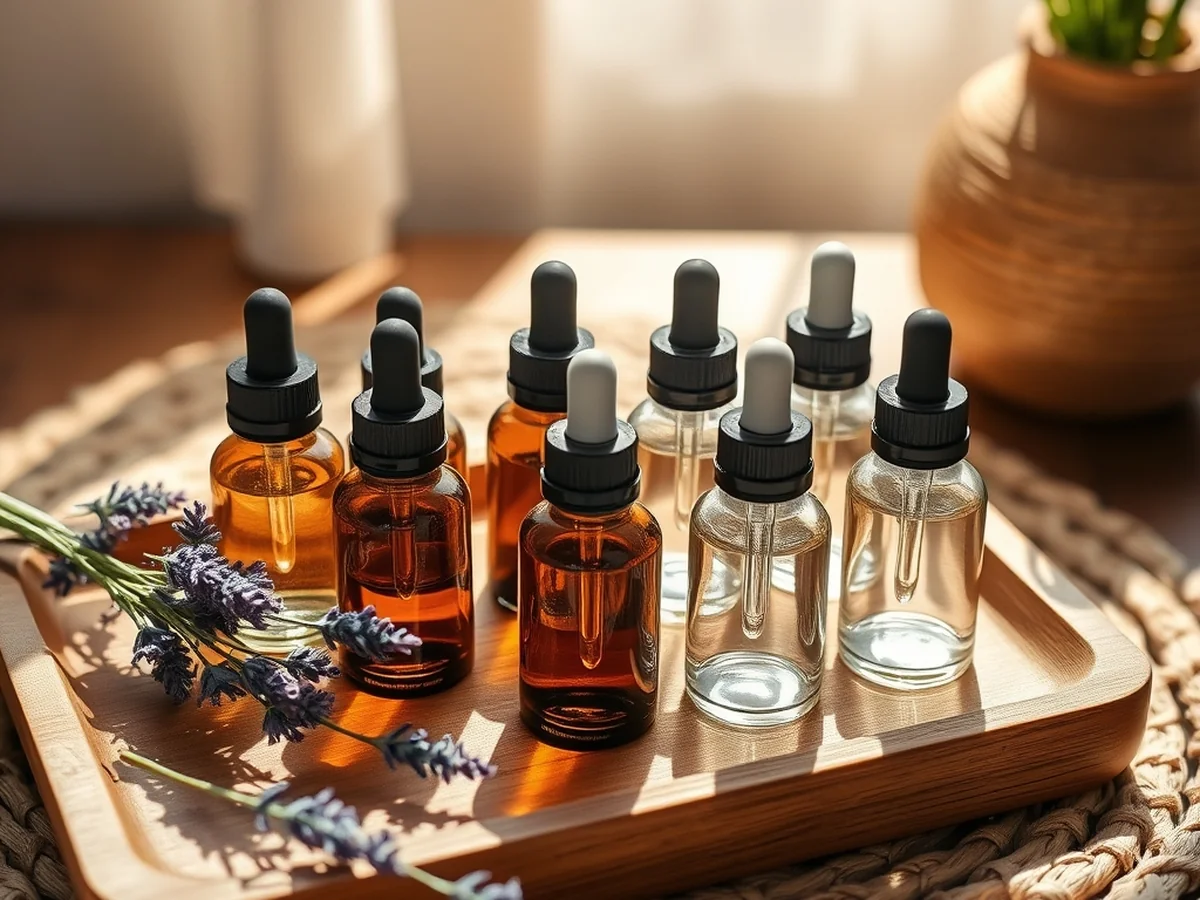
When exploring aromatherapy options, individuals managing hypertension often look for botanical extracts that encourage calmness. A 2012 clinical study evaluated aromatherapy’s effect on hypertension and blood pressure, shedding light on how targeted botanical extracts influence the body during stressful moments. Understanding the distinct properties of each plant extract helps users select the best essential oil for high blood pressure management while maintaining realistic expectations about what aromatherapy can achieve.
Research demonstrates that specific botanical extracts directly influence physiological markers. For instance, bergamot essential oil has been studied for its potential to reduce heart rate and support healthy blood pressure levels. Similarly, research published in PMC notes that lavender essential oil has calming properties that may reduce anxiety and heart rate. Using lavender oil for high blood pressure routines typically involves inhalation or diluted topical application to support a relaxed state.
Beyond clinical findings, several botanical extracts are widely associated with relaxation and cardiovascular support in general wellness practices:
- Cedarwood essential oil is frequently utilized to help individuals unwind while providing short term reductions in heart rate.
- Citronella essential oil helps to ease stress which can lower blood pressure over time.
- Clary sage essential oil can reduce anxiety levels and thus lower blood pressure by encouraging a calmer physiological state.
- Frankincense essential oil may reduce stress levels and regulate the heart.
- Sweet marjoram essential oil may dilate blood vessels to lower high blood pressure when used with proper caution.
Practical application requires careful adherence to standard safety protocols. Essential oils should not be ingested, only used diluted in a carrier oil for application on the skin or inhalation. To practice essential oil safety for blood pressure management, users should always perform a patch test before applying diluted oils to larger skin areas. When selecting where to apply essential oils for high blood pressure, common pulse points or the chest area are frequent choices, provided the extract is adequately diluted in a suitable carrier oil like jojoba or coconut oil.
A common mistake when starting aromatherapy is assuming that natural plant extracts are entirely risk-free without dilution. Applying undiluted oils directly to the skin can cause severe irritation or allergic reactions. Another frequent error is replacing prescribed hypertension medications with essential oils. Aromatherapy should only serve as a complementary practice alongside medical treatments supervised by a qualified healthcare provider, keeping individual health goals and potential medication interactions in mind.
Essential Oils to Approach With Caution or Avoid
When dealing with hypertension, navigating essential oil safety for blood pressure requires a careful approach. While many people turn to aromatherapy for relaxation, certain plant extracts can stimulate metabolism unexpectedly or interact directly with hypertension medications. High blood pressure routines demand extra caution when incorporating energetic or stimulating plant extracts that might alter heart rate or blood vessel dilation in unpredictable ways.
Recognizing Essential Oils to Avoid With High Blood Pressure
Certain oils to avoid with high blood pressure include varieties that accelerate metabolic processes or counteract prescribed treatments. For instance, common guidance suggests that clary sage essential oil can ease tension and decrease blood pressure readings, but it can sometimes trigger physiological shifts that conflict with pharmaceutical interventions. Anyone taking medication for hypertension should remain vigilant about these overlapping effects and consult with healthcare providers before introducing new substances into a daily routine. A 2012 clinical study evaluated aromatherapy’s effect on hypertension and blood pressure, demonstrating that botanical interventions can prompt measurable physiological changes.
Understanding Potential Cardiovascular Contraindications
Potential contraindications often arise when potent botanical constituents alter cardiovascular metrics while pharmaceutical drugs are trying to stabilize them. Combining active plant compounds with synthetic medications can lead to amplified or blunted physiological responses. Qualified medical professionals understand these pharmacological overlaps and can help patients navigate potential conflicts safely. While bergamot essential oil is known to influence cardiovascular measurements by potentially reducing heart rate and blood pressure, and lavender essential oil has calming properties that may reduce anxiety and heart rate, individual reactions still vary widely based on personal health status.
Common Mistakes and Safe Usage Guidelines
To practice proper essential oil safety for blood pressure, always follow standard usage guidelines. Common guidance indicates that essential oils should not be ingested, and they should only be used diluted in a carrier oil for application on the skin or inhalation. A common mistake is applying concentrated plant extracts directly to the skin, which can cause irritation or unexpected systemic absorption. Checking with a healthcare provider before starting any new routine prevents dangerous drug interactions. Medical professionals can review personal health histories and current prescriptions to determine whether specific botanical products pose any risks, ensuring that complementary practices support overall cardiovascular health without compromising medical treatments.
Safe Application Methods and Where to Apply Extracts
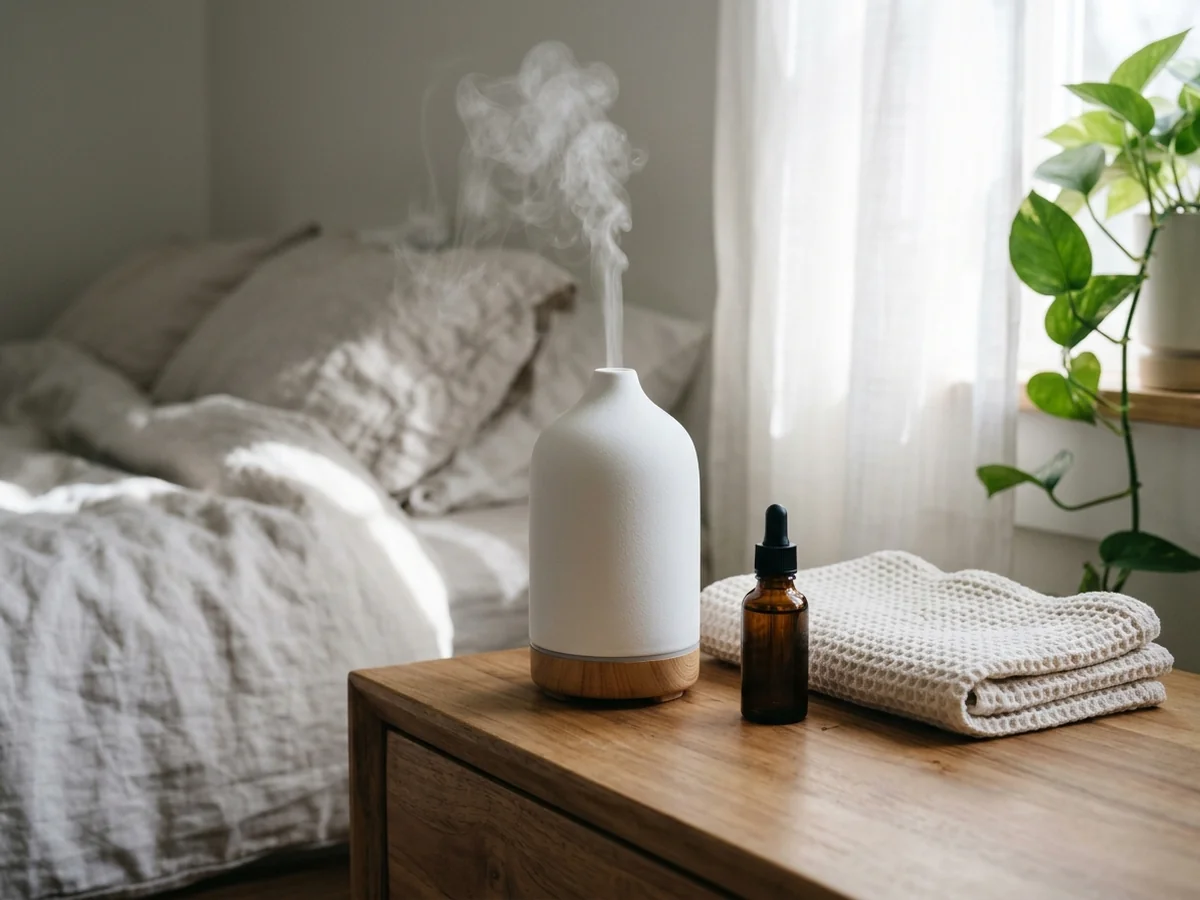
You can apply plant extracts topically with a carrier oil or inhale them through a diffuser to support relaxation and manage hypertension safely. Common guidance suggests that these concentrated plant extracts should only be used diluted on the skin or inhaled, never ingested.
Topical application requires mixing plant extracts with a carrier oil like jojoba or coconut oil before putting them on the skin. This method allows the compounds to absorb slowly during a massage. Where to apply essential oils for high blood pressure safely includes pulse points such as the wrists, the back of the neck, and the soles of the feet. These areas allow steady absorption while minimizing the risk of adverse reactions.
Inhalation through a diffuser offers an alternative method that avoids direct skin contact entirely. Adding a few drops of lavender oil or bergamot oil to a water diffuser disperses the aromatic molecules into the air. This technique lets you breathe in the calming scents without needing any skin preparation.
Following strict dilution guidelines prevents skin irritation and adverse reactions. Proper steps include the following measures:
- Mix plant extracts with a suitable carrier oil before any skin contact to prevent chemical irritation.
- Apply a low concentration of one drop of plant extract per teaspoon of carrier oil for general safety.
- Perform a patch test on the inner forearm before using any new plant extract mixture on larger body areas.
- Wait for twenty four hours after a patch test to monitor the skin for redness, itching, or swelling.
- Wash the test area immediately with mild soap and water if any discomfort or irritation occurs.
- Avoid applying undiluted plant extracts directly to sensitive skin areas, broken tissue, or mucous membranes.
Taking time to test your skin sensitivity protects against allergic contact dermatitis. You should always check for adverse physical reactions before applying any mixture to larger pulse points during your wellness routine.
Formulating Safe Recipes for Massage, Lotions, and Diffusers
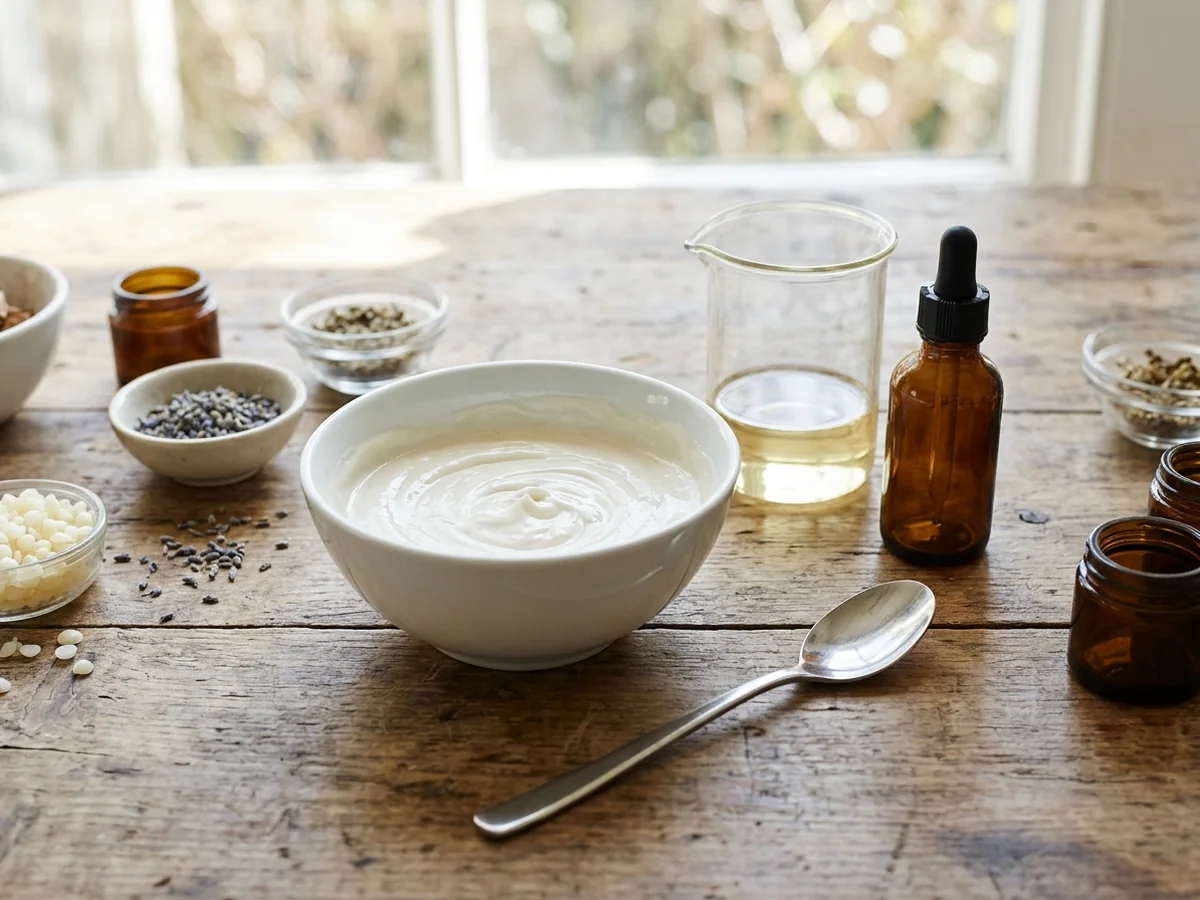
Creating safe aromatherapy mixtures at home requires precise measurements, proper dilution ratios, and reliable application methods to protect your skin and health when addressing hypertension. Common guidance dictates that plant extracts should never be ingested and must be diluted properly before topical use. Understanding how to use lavender oil for high blood pressure safely involves combining botanical extracts with appropriate base ingredients to minimize skin irritation while supporting relaxation.
Crafting Topical Massage and Lotion Blends
When preparing topical treatments, you must measure your carrier oil carefully. A standard approach for safe topical application on adults involves adding one to two drops of plant extract per ounce of carrier oil. Users can combine lavender oil with a carrier oil in a glass bottle for a soothing massage blend that you should store in a cool, dark place away from direct sunlight.
Another option for daily skin application involves stirring a few drops of bergamot oil into an unscented body lotion. Bergamot essential oil has properties capable of reducing heart rate and blood pressure, providing a useful addition to your routine. Before applying any homemade lotion or massage oil to larger areas of the body, always perform a patch test on your inner arm to check for sensitivities or allergic reactions.
Using Diffusers and Storage Best Practices
Inhalation through a room diffuser offers an alternative method for experiencing the calming properties of botanical extracts. A 2012 clinical study evaluated aromatherapy’s effect on hypertension and blood pressure, noting how specific scents influence the nervous system. Lavender essential oil contains soothing qualities that can ease nervous tension and lower pulse rates, making it a frequent choice for inhalation.
To set up a diffuser safely, add three to five drops of your chosen extract to a standard diffuser filled with clean water. Run the device in a well ventilated space for short intervals rather than leaving it running continuously. Keep all diluted mixtures and pure bottles tightly sealed and safely out of reach of children and pets at all times. Inspect your stored mixtures regularly for changes in color or scent, discarding any bottles that appear degraded or old.
Understanding Side Effects and Ingestion Safety Rules
Proper handling prevents adverse physical reactions because concentrated plant extracts carry real risks when misused. Many people assume botanical products are completely harmless simply because they come from plants, but that assumption ignores how potent concentrated plant chemicals can be on the human body, especially for adults managing hypertension. A 2012 clinical study evaluated aromatherapy’s effect on hypertension and blood pressure, confirming that these potent botanical compounds interact directly with physiological responses.
According to general safety guidelines, essential oils should not be ingested, and users should only apply them diluted in a carrier oil for skin application or inhalation. Swallowing concentrated liquids can lead to severe internal irritation and toxicity. Even when exploring options such as the best essential oil for high blood pressure, internal consumption remains strictly discouraged by medical professionals and regulatory bodies.
Topical Application and Dilution Safety
Topical application requires careful preparation to protect your physical well-being. Pure extracts are far too strong to place directly on the skin without a buffer. Applying undiluted extracts frequently triggers contact dermatitis, redness, and painful rashes. Mixing the extract with a suitable carrier oil creates a safer blend for skin contact. Conducting a small patch test on your inner forearm before full application helps identify any hidden allergies or sensitivities before you cover a larger area of skin.
Knowing where to apply essential oils for high blood pressure is essential for safe usage. Common application zones include pulse points on the wrists, the back of the neck, and the soles of the feet. Always combine a few drops of your chosen extract with a vegetable based carrier oil before touching the skin.
Inhalation and Diffusion Guidelines
Inhalation offers another method of use through a standard room diffuser or direct breathing from the bottle. This approach still demands caution regarding how long you breathe the scented vapor and how much oil you add to the water. Excessive exposure can cause headaches and respiratory irritation. Respecting proper dilution rules and sticking to safe inhalation practices ensures you avoid unwanted physical complications while incorporating aromatherapy into your wellness routine. Users learning how to use lavender oil for high blood pressure safely typically run a room diffuser for short intervals rather than continuous all day exposure.
Frequently Asked Questions About Aromatherapy and Hypertension
What essential oils are recommended for high blood pressure?
Several botanical extracts are commonly suggested to support relaxation and cardiovascular health. Bergamot essential oil research indicates potential reductions in pulse rate and arterial pressure. Lavender essential oil has calming properties that may reduce anxiety and heart rate. Other options like cedarwood, citronella, clary sage, frankincense, and sweet marjoram are frequently used to ease stress and support normal circulation.
How can essential oils be used safely in daily routines?
Safe application requires diluting concentrated plant extracts properly before topical use or breathing them in through a diffuser. Essential oils should not be ingested, only used diluted in a carrier oil for application on the skin or inhalation. Practicing essential oil safety for blood pressure also means performing a patch test on a small area of skin before regular use.
Do essential oils have side effects or risks?
Concentrated botanical extracts can cause skin irritation, allergic reactions, or adverse interactions if mishandled. Direct application without a carrier oil often leads to contact dermatitis or chemical burns. Individuals managing chronic health conditions should speak with a healthcare provider before introducing new aromatherapy practices.
How do specific oils like lavender and bergamot affect heart rate?
Lavender essential oil soothes the nervous system to ease tension and slow pulse rates. Bergamot essential oil research indicates potential reductions in pulse rate and arterial pressure through direct physiological relaxation. A 2012 clinical study evaluated aromatherapy’s effect on hypertension and blood pressure, highlighting these calming physiological responses.
Can pregnant women use essential oils for blood pressure?
Certain plant extracts can stimulate uterine contractions or affect hormone levels during pregnancy. Expectant mothers must consult an obstetrician before using aromatherapy for hypertension. Many popular extracts are strictly avoided during pregnancy for safety reasons.
Conclusion and Medical Consultation Guidance
Proper dilution, routine patch testing, and professional medical oversight form the absolute foundation of safe aromatherapy practices for hypertension management. Always consult your doctor before adding alternative therapies to your routine, especially if you take hypertension medications. Prioritizing these precautions ensures that aromatherapy remains a supportive and safe addition to your wellness plan.
Sources: pubmed.ncbi.nlm.nih.gov, pmc.ncbi.nlm.nih.gov
You might also like: 10 High Protein Thanksgiving Casseroles Under 550 Calories