10 Comfortable Recliner Ideas for Relaxing
Introduction to Finding the Ideal Comfortable Recliner
Choosing a comfortable recliner transforms your daily routine by offering dedicated space to unwind and release physical tension after a long day. Proper seating supports posture and helps muscles recover, turning a simple living room into a true sanctuary for rest.
Evaluating these seats involves looking closely at supportive internal structures, ergonomic design options, and upholstery choices that fit your home. This guide breaks down ten distinct styles to help you compare features and find the right fit for your relaxation needs.
Evaluating Ergonomic Recliner Design and Support
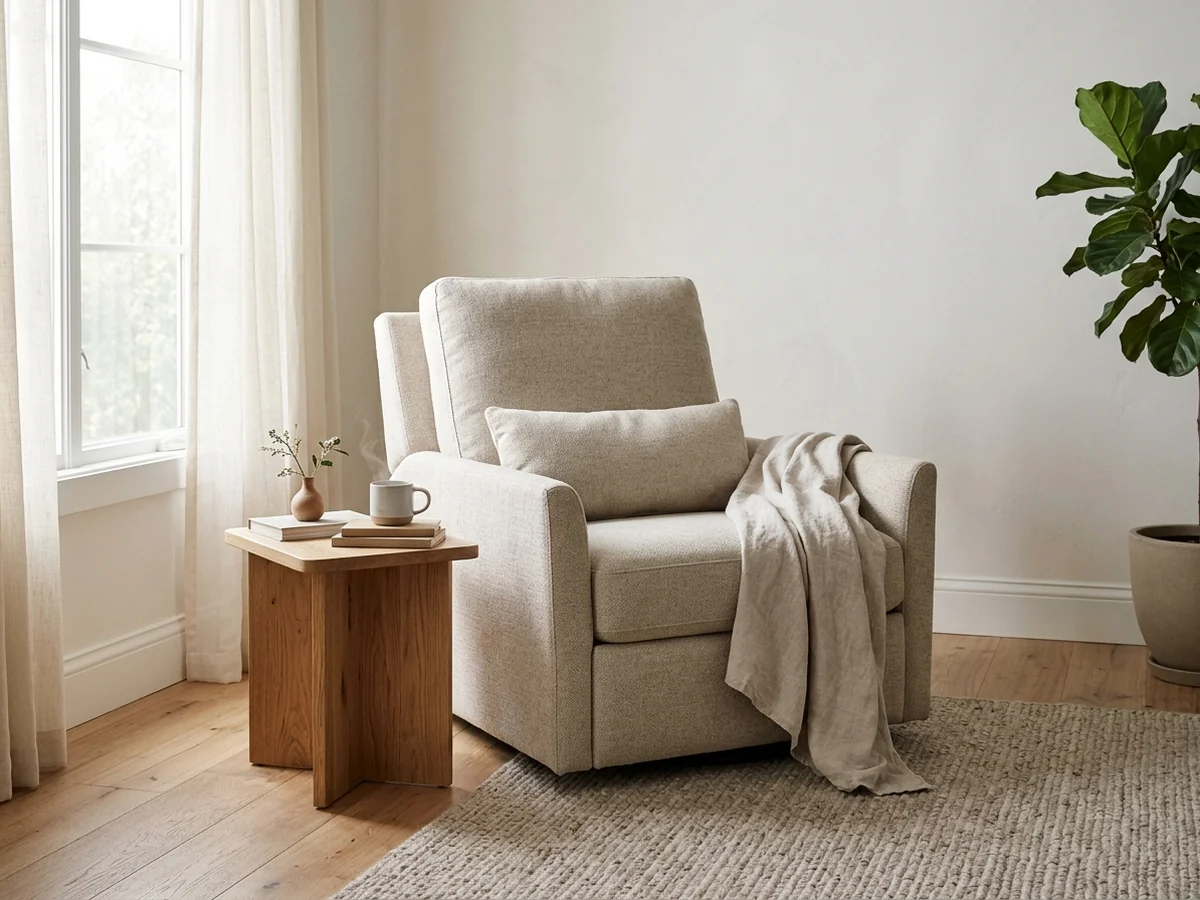
Proper posture support reduces physical strain during extended periods of sitting by distributing body weight evenly across the seat and backrest. When you sit for hours, gravity pulls downward and places undue pressure on the spine, hips, and shoulders. An effective seat design distributes this load so no single muscle group bears the brunt of the weight. This weight distribution prevents fatigue and stops muscles from locking up during long relaxation sessions.
Homeowners and comfort seekers looking to upgrade their living room seating often find that standard chairs fall short of providing genuine relief. Selecting a comfortable recliner requires a close look at how well the internal mechanism and structural padding harmonize with human anatomy. Incorporating plush reclining furniture into your home should mean more than just soft cushions, as true relaxation depends on balanced mechanics and thoughtful architecture.
Targeted Lumbar Reinforcement
Targeted lumbar support fills the natural inward curve of the lower back to prevent slouching and spinal compression. Without adequate lower back reinforcement, the pelvis tends to tilt backward, flattening the natural curve of the spine and straining surrounding ligaments. A proper lumbar feature pushes gently against the lower back to keep the vertebrae stacked correctly. This alignment maintains the body’s natural posture even when the user reclines deeply to unwind. A common mistake is buying a seat with overly soft padding in the lower back area, which allows the spine to collapse into an unnatural curve over time.
Material Adaptability and Cushioning
Spinal alignment works hand in hand with cushioning materials to maintain natural body contours. Quality padding adapts to the shape of the user without letting the body sink into awkward angles that twist the back. When evaluating the best comfortable recliner chairs for daily use, look closely at options featuring memory foam layers and supportive inner springs. Top grain leather and breathable microfiber upholstery cover these supportive layers while offering durability and ease of maintenance. When the head, neck, and lower spine align properly, breathing improves and muscle tension dissipates throughout the torso.
Mechanical Adjustments for Individual Proportions
Investing in proper physical support ensures that every part of the back receives steady, uniform support from the headrest down to the seat base. Physical comfort depends heavily on how well the internal mechanism adjusts to individual body proportions. Adjustable components let users fine-tune the seating angle to match their specific height and weight distribution. Living room relaxing recliners should offer smooth transitions between upright sitting, reading angles, and full recline positions without sudden drops or jerky movements. Paying attention to these mechanical and structural details prevents stiffness and keeps the body feeling fresh after hours of sitting.
Exploring Plush Reclining Furniture Materials and Cushioning
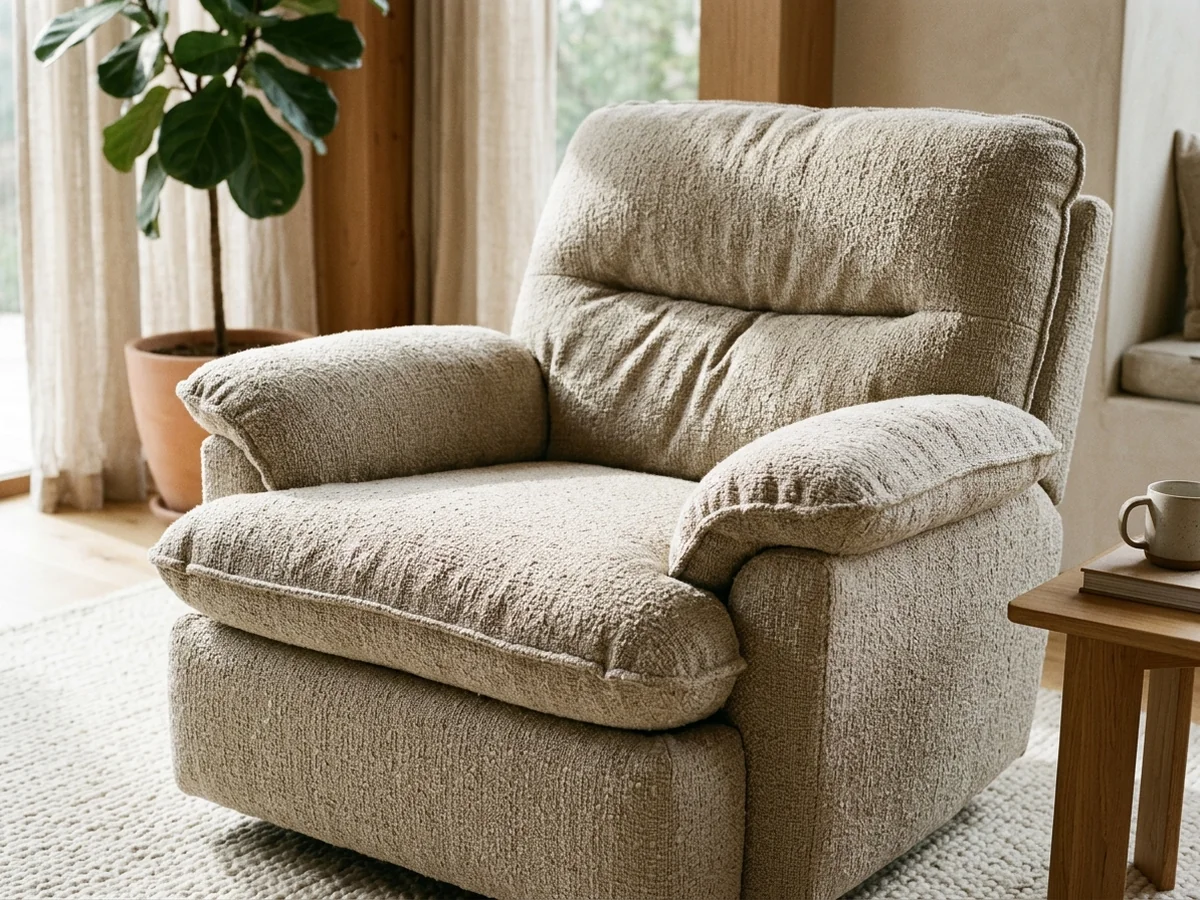
Choosing the right materials for a comfortable recliner depends on balancing soft cushioning for pressure relief with durable outer fabrics. When searching for living room relaxing recliners, understanding how different internal paddings and exterior coverings perform over time ensures you make a smart investment for your home. Premium interior padding shapes itself to your body, while quality covers withstand daily use and maintain their appearance.
Internal Support and Cushioning Performance
Memory foam layers contour closely to the body to distribute weight evenly and relieve pressure points. This adaptive cushioning material responds to your body heat, returning to its original shape once you stand up. Proper ergonomic recliner design relies on these supportive layers to maintain proper posture and reduce strain during extended periods of sitting. Without adequate support, seating can quickly lose its shape and lead to discomfort.
Brands like La-Z-Boy incorporate advanced spring and foam combinations alongside the internal metal mechanism to enhance overall stability. High-density foam combined with proper lumbar support prevents the seat from sagging prematurely, keeping the furniture supportive even after years of regular reclining.
Exterior Upholstery Selection
You can choose from several upholstery options to match your lifestyle and aesthetic preferences:
- Top grain leather offers a luxurious feel and develops a rich patina over the years with proper conditioning.
- Microfiber upholstery resists stains effectively and provides a soft, velvety texture that feels cozy year round.
- Synthetic leather alternatives deliver a sleek appearance at a lower price point while remaining easy to wipe clean.
- Heavy woven fabrics add breathable texture and withstand heavy daily friction without wearing down quickly.
- Performance blends combine natural fibers with synthetic weaves to offer both moisture resistance and long lasting durability.
Practical Maintenance and Common Mistakes
A common mistake when buying plush reclining furniture is choosing an exterior material based solely on initial softness without considering maintenance requirements. Leather choices typically require occasional conditioning to prevent drying and cracking, especially in homes with direct sunlight or dry climates. Fabric alternatives provide more warmth and breathability during extended sitting sessions, but they may need professional cleaning if exposed to stubborn stains.
To get the most out of your furniture, always match the fabric choice to your household activity level, pet presence, and cleaning routine. Homeowners with pets often benefit from tightly woven synthetic fabrics that resist claws, while households prioritizing effortless cleaning may prefer smooth leather or wipeable synthetic alternatives.
Selecting Living Room Relaxing Recliners for Daily Use
Choosing a living room relaxing recliner starts with measuring your available floor space and mapping out primary walking paths. Compact models work well in tighter apartments, while full size reclining furniture requires extra clearance behind the backrest and in front of the footrest for smooth operation. Homeowners frequently overlook the clearance needed when the chair is fully reclined, which can block entryways or scrape against walls if not planned correctly.
Visual balance matters just as much as physical measurements when styling a family area. Bulky seating can easily overwhelm a small room, so you will want to match the visual weight of the chair with existing sofas and media consoles. Clean lines and tailored upholstery help larger pieces blend into modern layouts without feeling intrusive. Brands like La-Z-Boy offer various silhouettes that scale well in diverse room dimensions without sacrificing comfort.
Balancing Aesthetics and Everyday Utility
Deep relaxation features do not have to clash with your home decor. Modern manufacturers design chairs with hidden footrests and slim profiles that disguise traditional comfort mechanics. You can find options featuring plush cushioning and supportive lumbar areas that still maintain a sleek silhouette suitable for formal sitting spaces. Prioritizing how the seating structure supports proper posture ensures your furniture helps maintain physical alignment during long periods of reading or watching television.
Upholstery selection bridges the gap between everyday durability and visual appeal. High traffic family zones benefit from performance fabrics or durable leather that resists stains and handles daily wear. Many buyers favor top grain leather for its longevity and easy maintenance, while others prefer microfiber upholstery for a softer texture. Softer materials add warmth to a room, creating an inviting focal point for evening unwinding after a long day.
Evaluating Internal Mechanics and Comfort Features
Finding a truly comfortable recliner means evaluating how the internal mechanism aligns with your posture needs. Power options let you stop the recline at any angle for reading or watching television, whereas manual levers offer simple operation. Testing the transition speed and footrest stability ensures the piece functions reliably for everyone in the household.
Advanced padding materials further enhance the seating experience. Options integrated with memory foam contour to the body to relieve pressure points during extended use. When shopping for the best comfortable recliner chairs, testing the internal mechanism and evaluating the support structures helps prevent premature sagging and ensures lasting durability for daily living room activities.
Understanding Recliner Mechanisms and Adjustment Options
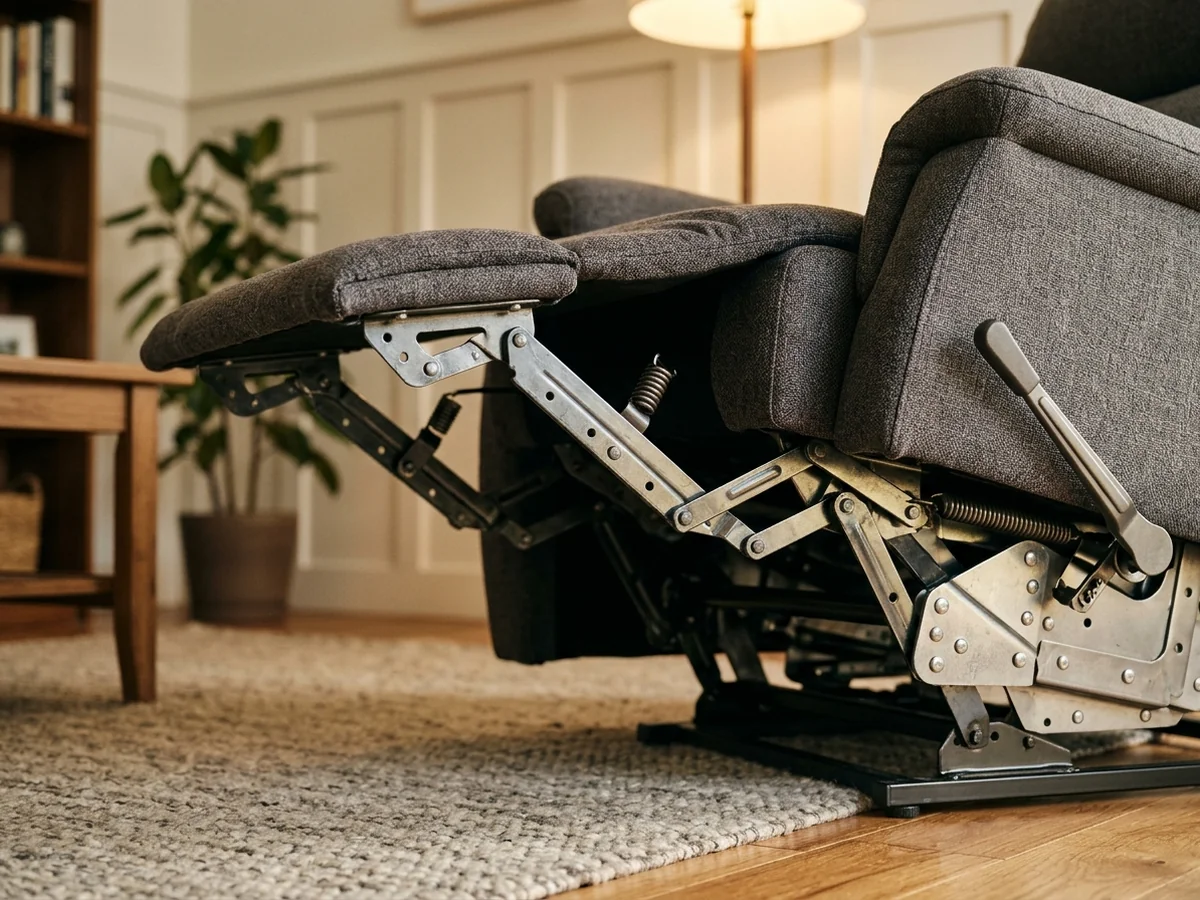
Recliners rely on two main systems, manual and power‑driven, to move the seat and backrest into a relaxed position. Each offers distinct benefits for users seeking ease of use and long‑term durability.
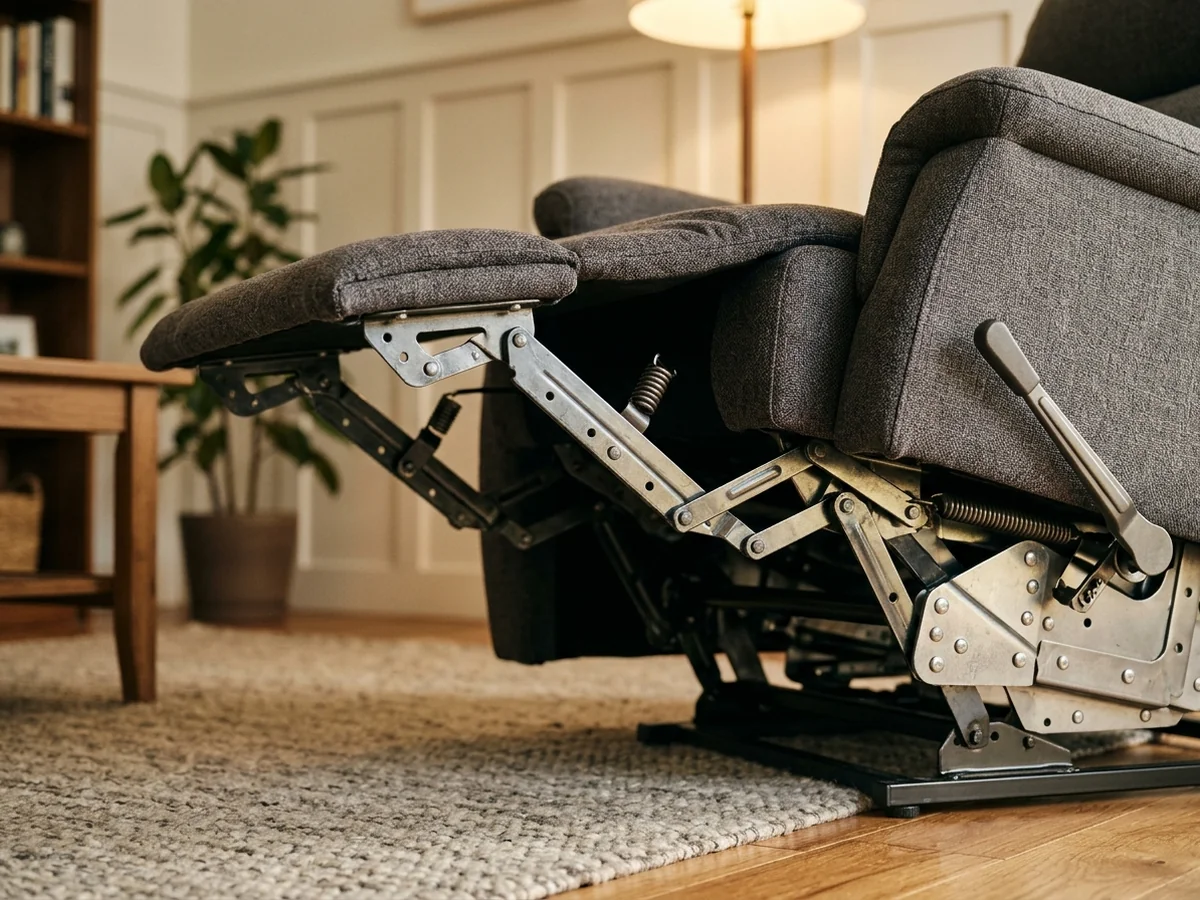
Manual recliners use a lever or pull‑cord system that engages a mechanical gear or cam. When the user pulls the handle, a screw‑driven mechanism converts the motion into a smooth shift of the seat and footrest. This straightforward design eliminates electrical components, reducing the chance of failure and simplifying maintenance. The tactile feedback also lets users feel the exact angle they are achieving, which many find reassuring.
Power‑driven recliners employ an electric motor connected to a gear train. The motor pulls a cable that moves the seat back and lifts the footrest. With a single button or remote control, users can achieve a precise angle in seconds. The motor’s torque is often adjustable, allowing fine tuning to personal comfort. However, the presence of electrical parts introduces potential points of wear, such as worn cables or motor degradation over time.
Both systems require a robust internal mechanism to ensure smooth operation. High‑quality reclining chairs typically use hardened steel components and precision bearings. These materials resist wear and maintain consistent movement even after thousands of cycles. Cheaper models may use softer plastics or lower‑grade steel, which can lead to rough or uneven motion over the years.
Reliable hardware also affects the longevity of the recliner’s ergonomic features. For example, a well‑constructed lumbar support arm should remain firmly attached and retain its shape. If the support arm is made from a composite that delaminates, the user may lose the intended back support after repeated use. Manufacturers that test their components under load cycles are more likely to provide a durable experience.
Manufacturers often include safety features in the mechanism, such as a locking lever that holds the chair in place once the desired angle is reached. This prevents accidental back‑sliding and protects users who may have limited mobility. The lock engages automatically when the motor stops, ensuring the chair stays where the user intends without additional effort.
When evaluating a recliner, look for clear documentation on the mechanism’s build quality and any warranty coverage for the moving parts. A long warranty on the motor or gear assembly signals confidence in the hardware’s durability. Likewise, a manufacturer’s commitment to providing replacement parts for key components can be a decisive factor for those who want peace of mind over the chair’s lifespan.
Top Comfortable Recliner Brands
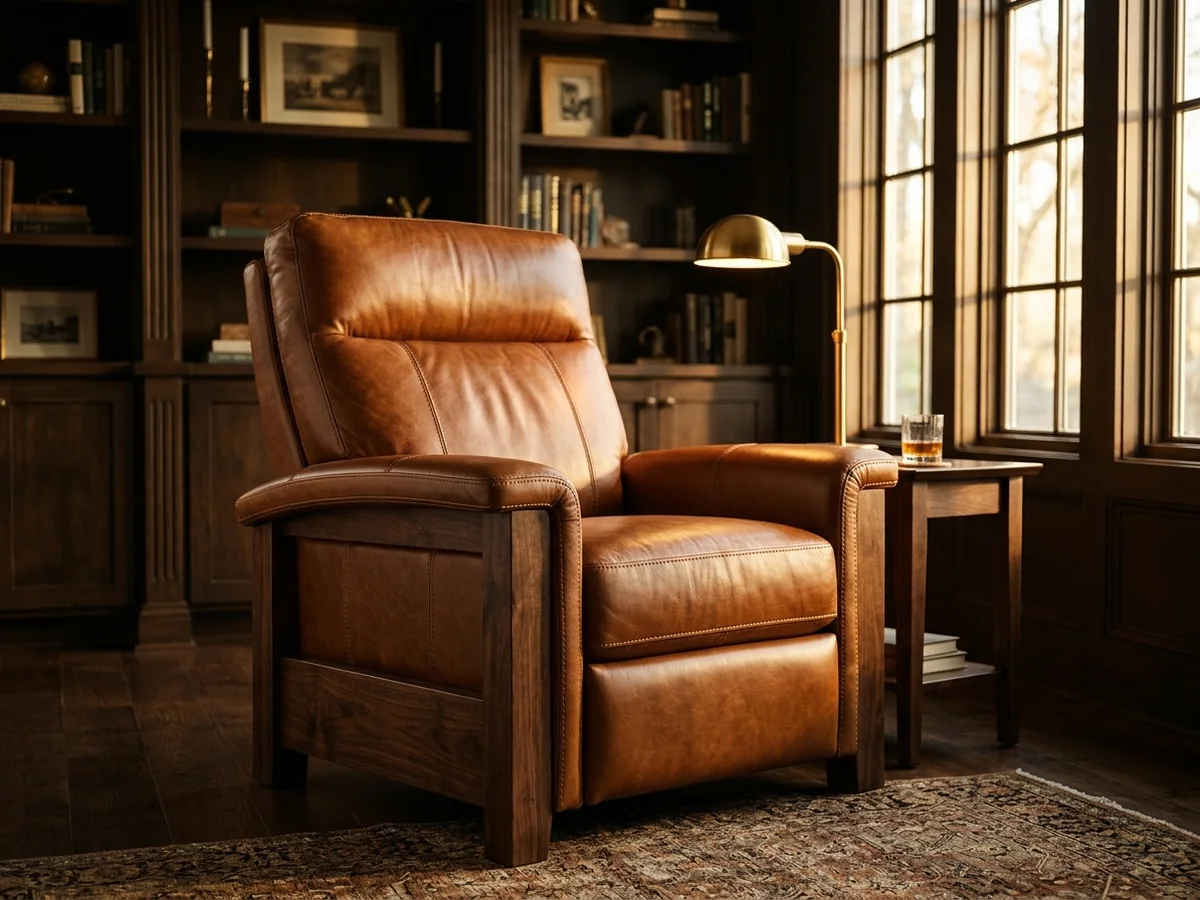
Finding a comfortable recliner requires looking at manufacturers that focus on soft seating options and supportive body alignment. Well known industry leaders shape relaxation standards by blending effective lumbar support with durable framing and soft upholstery, making them ideal additions to cozy family room seating areas.
When evaluating different options, understanding why certain materials and mechanisms matter can help you select the best comfortable recliner chairs for your daily routine. Brands often differentiate themselves through specialized cushioning and reclining technology. For instance, traditional models frequently feature sturdy wooden frames paired with top grain leather or microfiber upholstery, manual levers, and built-in lower back cushions. Contemporary lines often utilize sleek, low profile silhouettes with memory foam fillings, adjustable headrests, and smooth electric motors.
| Brand Category | Silhouette | Upholstery | Support Feature | Mechanism |
|---|---|---|---|---|
| Traditional Series | Classic, oversized | Top grain leather or microfiber | Built in lumbar cushion | Manual lever or power lift |
| Modern Line | Sleek, low profile | Memory foam or supportive foam | Adjustable headrest and armrests | Electric motor |
| Eco Friendly Options | Contemporary | Recycled fabric | Contoured ergonomics | Manual or power |
Choosing the right model involves practical steps to ensure long term satisfaction. Start by measuring your available space to accommodate the full extension of the footrest and the back reclining angle. Test the mechanism to ensure smooth operation, whether you prefer a simple pull handle or a quiet electric motor. Pay close attention to how your body aligns with the seat, ensuring your feet rest flat on the floor when upright and your neck receives adequate support when reclined.
A common mistake shoppers make is prioritizing appearance over proper ergonomics, which can lead to back strain during extended sitting sessions. Another frequent error is overlooking the fabric durability, especially in households with pets or children. Selecting high quality microfiber or durable leather helps maintain the appearance of your seating over years of daily use. Balancing aesthetic preferences with robust interior mechanics ensures your chosen seat remains a reliable sanctuary for rest.
Common Recliner Buying Mistakes to Avoid
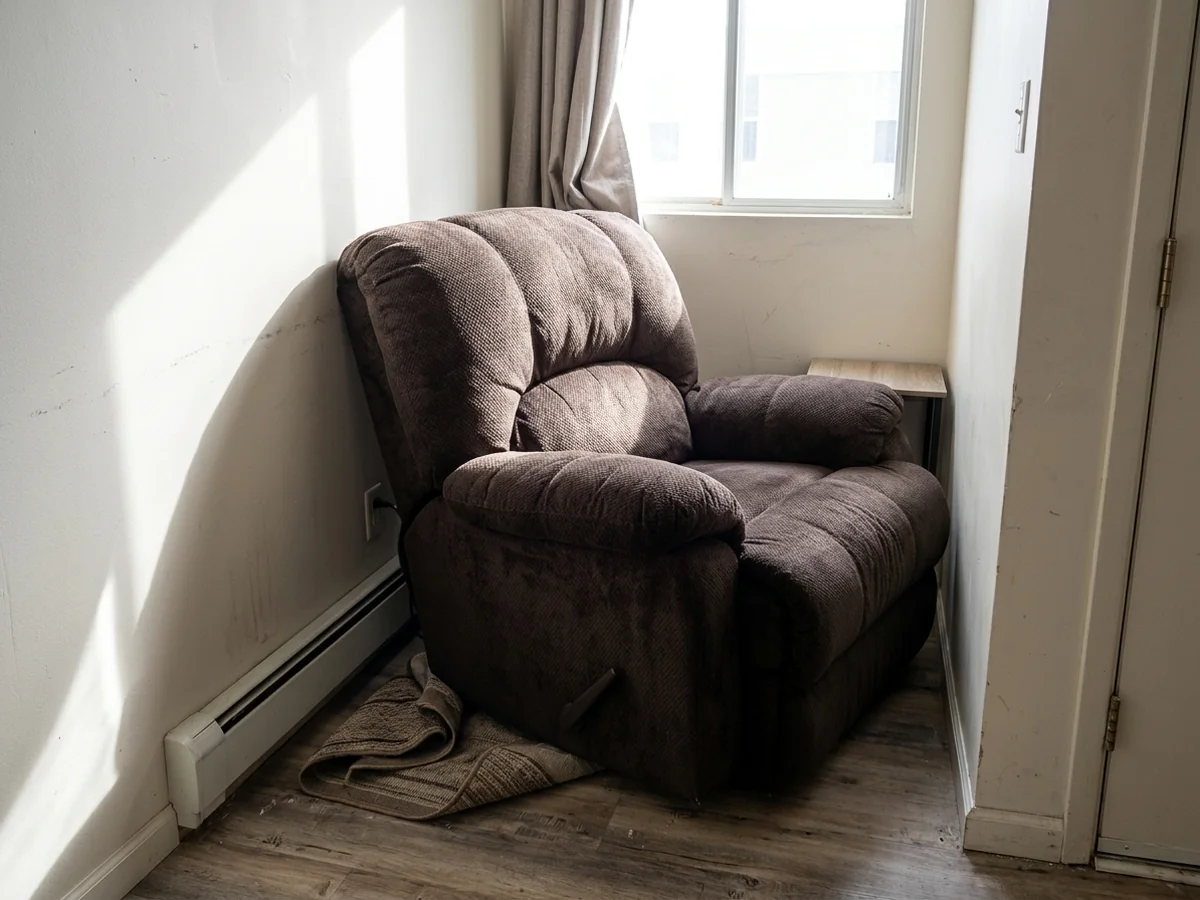
Shopping for a comfortable recliner requires careful planning to ensure your investment delivers lasting comfort and fits seamlessly into your daily routine. Many buyers focus entirely on initial showroom appeal, only to discover practical issues after the furniture arrives at home. Understanding these frequent pitfalls helps you choose a comfortable recliner that satisfies your relaxation needs for years to come.
One major error is failing to measure spatial clearance accurately before making a purchase. A large upholstered seat often requires significantly more room when fully extended than it does in the upright position. Neglecting to account for wall clearance and footrest extension can lead to cramped layouts or blocked pathways, forcing you to rearrange your entire living space unexpectedly. Always measure both the footprint and the operating clearance before bringing a new seat home.
Another common mistake involves overlooking how daily household habits affect fabric selection. Busy environments demand durable materials that can withstand frequent use and handle minor spills without permanent damage. Choosing high-maintenance upholstery just for its visual appeal can result in premature wear, staining, and constant cleaning frustration. Think realistically about pets, children, and traffic levels in your home when evaluating different textile options.
Buyers also frequently prioritize exterior styling over essential physical support. While a visually striking design complements your interior decor, ignoring structural qualities leads to long-term discomfort. A truly supportive seat relies on proper posture support, featuring reliable lumbar support and a sturdy interior mechanism that operates smoothly over time. Focusing strictly on aesthetics rather than spinal alignment and cushioning quality leaves you with furniture that looks great but fails to support healthy posture during extended periods of sitting.
Finally, rushing the selection process without testing different mechanisms can lead to buyer remorse. Whether you are exploring options from manufacturers like La-Z-Boy or comparing various cushioning materials such as memory foam, taking the time to test how the footrest and backrest move together makes a substantial difference. Evaluating these operational details upfront ensures your final choice delivers genuine ergonomic benefits and reliable daily relaxation.
Proper Maintenance for Long Lasting Seating
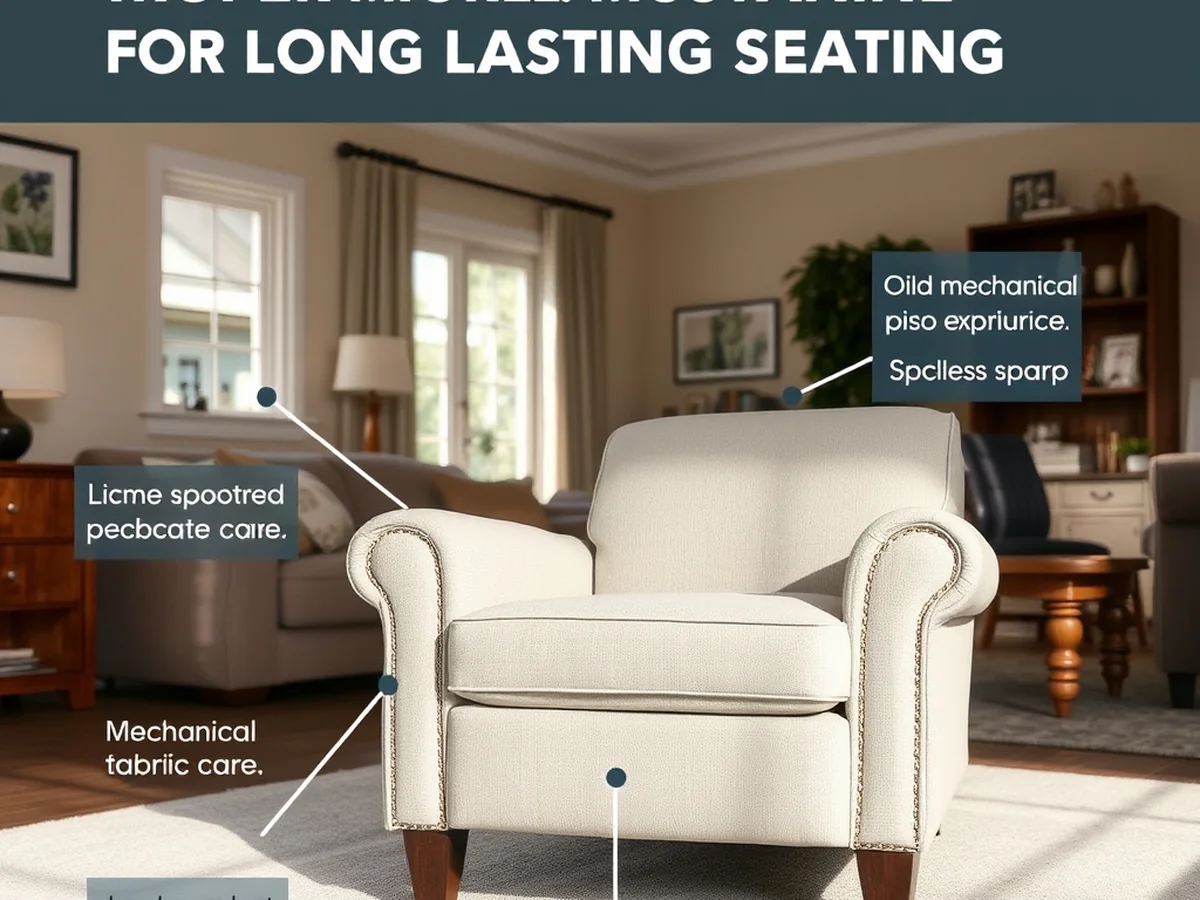
Keeping your furniture in prime condition requires regular upkeep tailored to specific materials and moving parts. Routine care prevents premature wear and ensures your comfortable recliner remains a cozy spot for unwinding after a long day of work or meal preparation. Proper maintenance safeguards your investment in living room lounging seats and protects the structural elements that support everyday sitting.
Material Specific Care Routines
Different materials demand specific cleaning approaches to preserve their appearance and texture. Top grain leather surfaces need gentle dusting and occasional conditioning to prevent cracking and maintain a supple feel over time. On the other hand, microfiber upholstery or standard fabric benefits from regular vacuuming with a soft brush attachment to remove trapped dust and crumbs from the crevices. When accidental spills happen, blot the moisture immediately with a clean, dry cloth rather than rubbing the material, which can push stains deeper into the fibers and damage the underlying weave.
Mechanism and Hardware Maintenance
Internal moving parts and the hidden mechanism require periodic inspection to keep the reclining motion smooth and quiet. Check underneath the seat for loose bolts or squeaking joints every few months. Applying an appropriate lubricant to the metal hinges and tracks stops unwanted friction and extends the operational lifespan of the hardware. Brands such as La-Z-Boy design their products with durable internal components, but even the highest quality seating options benefit from periodic checks to ensure the reclining mechanism operates without strain.
Preserving Cushion Support and Ergonomics
Cushion loft and memory foam resilience rely on proper rotation and care to avoid permanent sagging. Fluff removable cushions frequently and rotate them when possible to distribute body weight evenly across the surface. A common mistake is sitting repeatedly on the very edge of the seat, which places excessive strain on the internal support layers, ergonomics, and foam padding. Thoughtful positioning of your adjustable cushioned seats prevents uneven wear on the lumbar support and keeps the padding resilient. By avoiding poor seating habits and following a consistent cleaning schedule, you can preserve the structural integrity and plush comfort of your seating for years.
Frequently Asked Questions About Choosing Seating
How do I know what size a comfortable recliner fits my living room?
Measure your available floor space while the chair is fully extended, leaving enough clearance for walls and surrounding furniture. A comfortable recliner needs extra room behind it for the backrest to tilt, and you must account for footrest extension space in front.
What maintenance does a motorized mechanism require over time?
Power mechanisms usually only need occasional checks to ensure electrical cords stay clear of moving parts. Keeping the metal tracks free of dust and pet hair prevents jams and helps your seating operate smoothly for years.
How should I clean fabric upholstery on my seating?
Check the manufacturer tag for specific cleaning codes before applying any liquid or solvent to microfiber upholstery. Vacuuming the crevices weekly removes trapped crumbs and keeps the fibers looking fresh.
Are these chairs suitable for people with back pain?
Models featuring supportive body contours provide proper lumbar support to help ease spinal strain during long periods of sitting. Selecting options with adjustable cushioning lets you customize the posture support to your exact needs.
What is the difference between manual and power operation?
Manual levers rely on your body weight and a latch to push the footrest out, while motorized versions use a button control for smooth adjustments. Choosing the right option depends on your personal mobility and how much effort you prefer to exert.
Conclusion and Final Thoughts on Seating Upgrades
Choosing home relaxation furniture requires a careful look at your physical support needs and available living space before you buy. Evaluating how you naturally sit helps determine whether manual operation, power adjustments, or specific cushioning materials will truly serve your daily routine. Taking time to assess your personal comfort requirements ensures that your chosen comfortable recliner delivers lasting satisfaction and proper physical support for years to come.
You might also like: 10 High Protein Thanksgiving Casseroles Under 550 Calories