10 Healthy Thanksgiving Desserts to Enjoy Guilt Free
Introduction
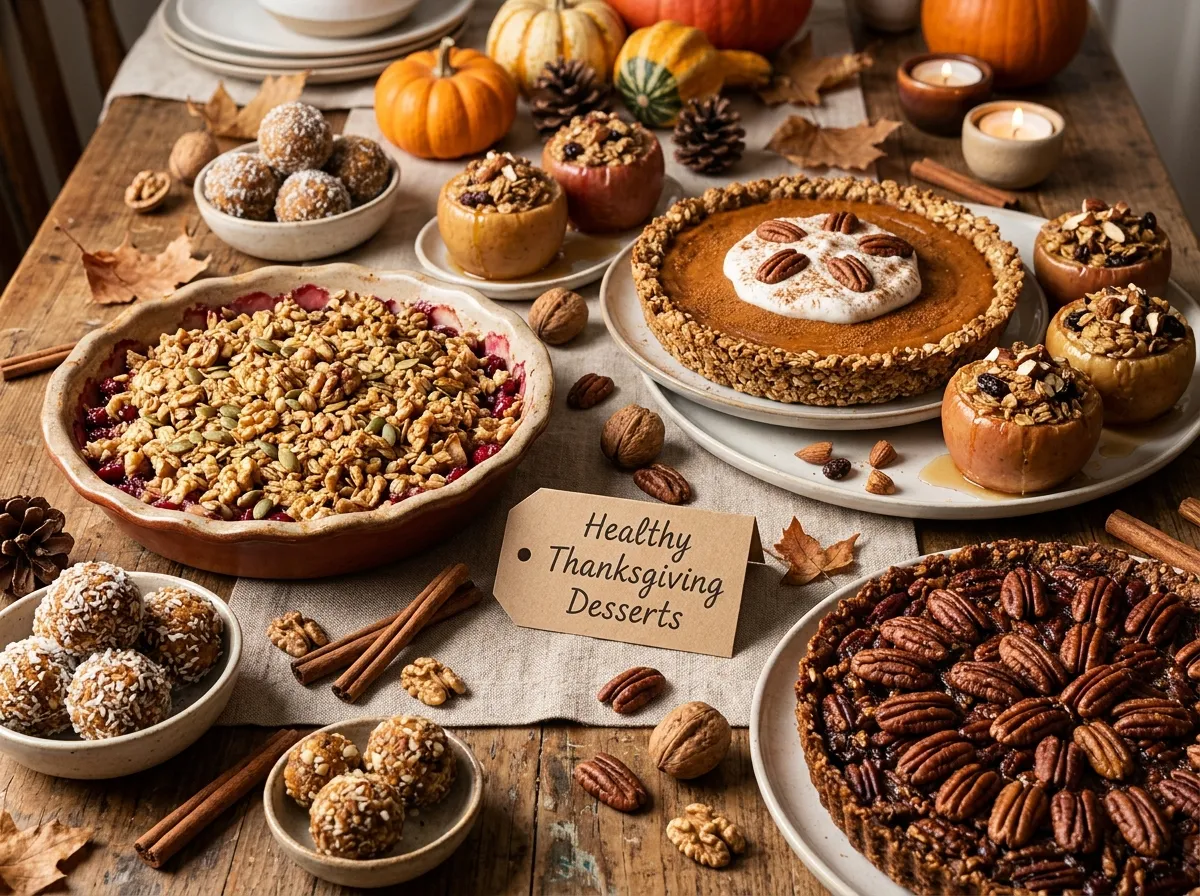
You can prepare delicious healthy thanksgiving desserts by focusing on nutrient dense ingredients and smart substitutions that honor the spirit of the holiday. These recipes prioritize balanced flavors and wholesome components, making it easier to enjoy traditional celebrations while supporting your health goals.
This article provides a curated list of flavorful options that emphasize natural sweeteners and fiber rich fruits. You will learn how to incorporate ingredients like pears, which are sources of fiber and vitamin C, into your menu. Because pears hold up well in cooked desserts, they serve as an ideal foundation for baked treats. Beyond specific recipes, this guide explores practical ingredient swaps and preparation strategies to help you manage sugar intake and dietary needs throughout the holiday season. Whether you require gluten free thanksgiving desserts or simple refined sugar free options, these ideas offer a path toward a more mindful dessert experience.
Healthy Pumpkin Pie Alternatives
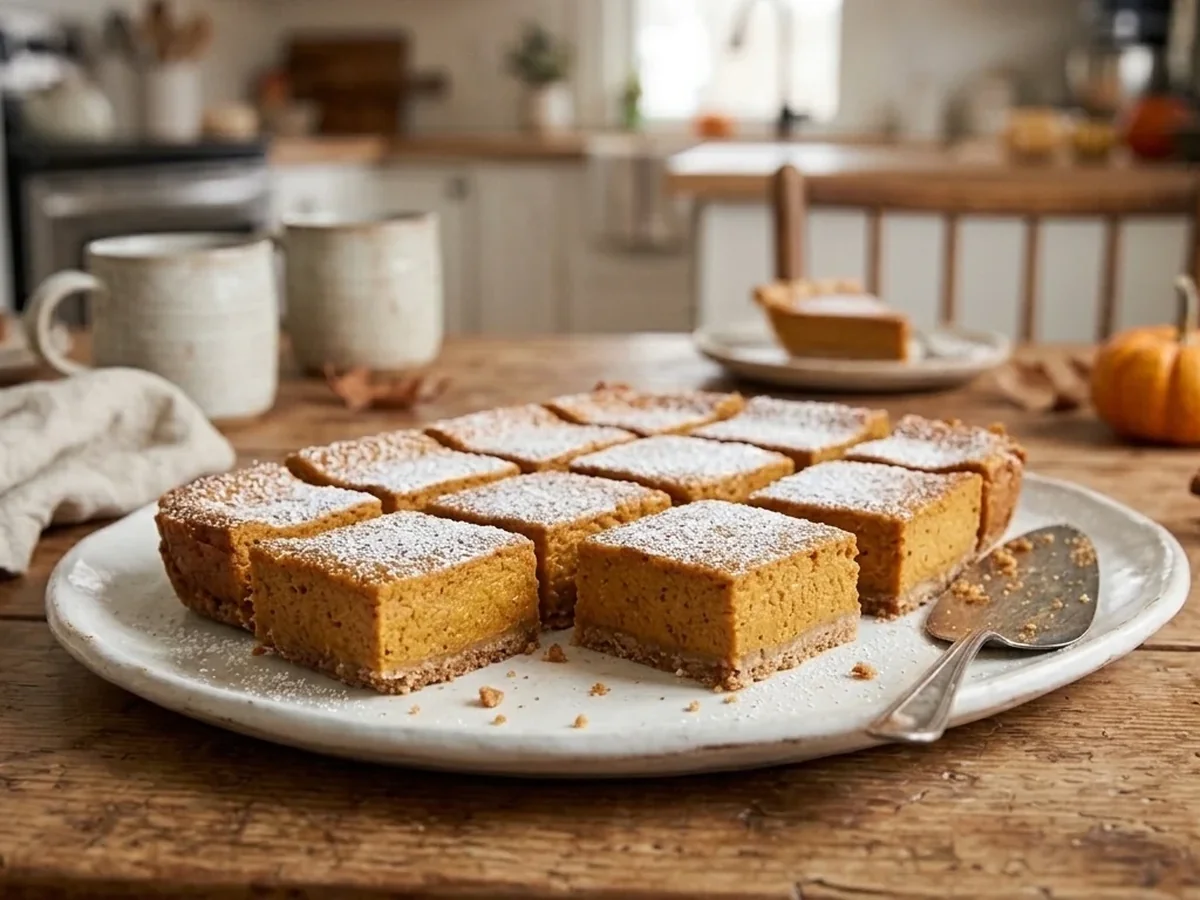
You can swap traditional pumpkin pie for fruit-forward options that prioritize nutrient density and fiber. By focusing on whole ingredients rather than refined sugars, these alternatives support sustained energy throughout your holiday gatherings, aligning with the core principles of the Dietary Guidelines for Americans.
Pears serve as an excellent foundation for these seasonal treats. Pears are sources of fiber and vitamin C, and they hold up well in cooked desserts. They offer a sturdy yet naturally sweet base that pairs beautifully with autumnal spices like cinnamon, nutmeg, and ginger.
Replacing traditional heavy pastry crusts with options like almond flour or oat-based crumbles can further enhance the nutritional profile of your holiday table. These ingredients provide essential fats and complex carbohydrates, which help regulate the glycemic index of your meal compared to traditional flour-based crusts. Using natural sweeteners like maple syrup or dates in moderation allows the fruit to take center stage, keeping the focus on whole-food nutrition.
Consider these simple ingredient swaps to shift toward more balanced options:
- Use stewed pears with a toasted nut crumble instead of a traditional crust.
- Incorporate pumpkin puree into yogurt-based parfaits rather than a custard-filled pie.
- Select whole grains for crusts to increase the fiber content of your holiday sweets.
- Prioritize fresh fruit toppings to add vitamins without relying on heavy whipped creams.
Focusing on these nutrient-dense components allows you to enjoy seasonal flavors while maintaining a sense of balance. When you center your menu on fiber-rich fruits and wholesome grains, you create satisfying dishes that fuel your body for the festivities ahead.
Focusing on high-quality ingredients like whole grains and natural sweeteners elevates the nutritional profile of your favorite sweets. Replacing refined flours with whole grain alternatives provides extra fiber and minerals that sustain energy levels. Similarly, using natural sweeteners like maple syrup or honey can offer a more complex flavor profile while avoiding the rapid blood sugar spikes associated with processed white sugar.
Boosting the fiber and vitamin content of your treats is a simple way to improve their overall nutritional impact. Fiber helps regulate digestion, which is especially helpful during a large holiday meal. You can easily incorporate these benefits by choosing nutrient-dense fruits as your primary base. For example, pears are sources of fiber and vitamin C, and they hold up well in cooked desserts. Utilizing fresh produce ensures your treats provide more than just empty calories.
Integrating these choices into your menu aligns with USDA MyPlate concepts for balanced meal planning. This approach encourages building meals that prioritize whole foods, including fruits and grains, even within dessert courses. By viewing your holiday sweets as a component of a balanced plate rather than an afterthought, you can enjoy seasonal flavors while remaining mindful of your overall dietary goals. Focusing on portion control and ingredient quality makes these healthy holiday dessert recipes a practical addition to your celebration.
- Use whole wheat or oat flour to add fiber to crusts and batters.
- Select fiber-rich fruits like pears for natural sweetness and texture.
- Prioritize natural sweeteners to maintain a balance of flavor and nutrition.
- Include nuts or seeds to introduce healthy fats and additional protein.
Utilizing Fruit for Natural Sweetness
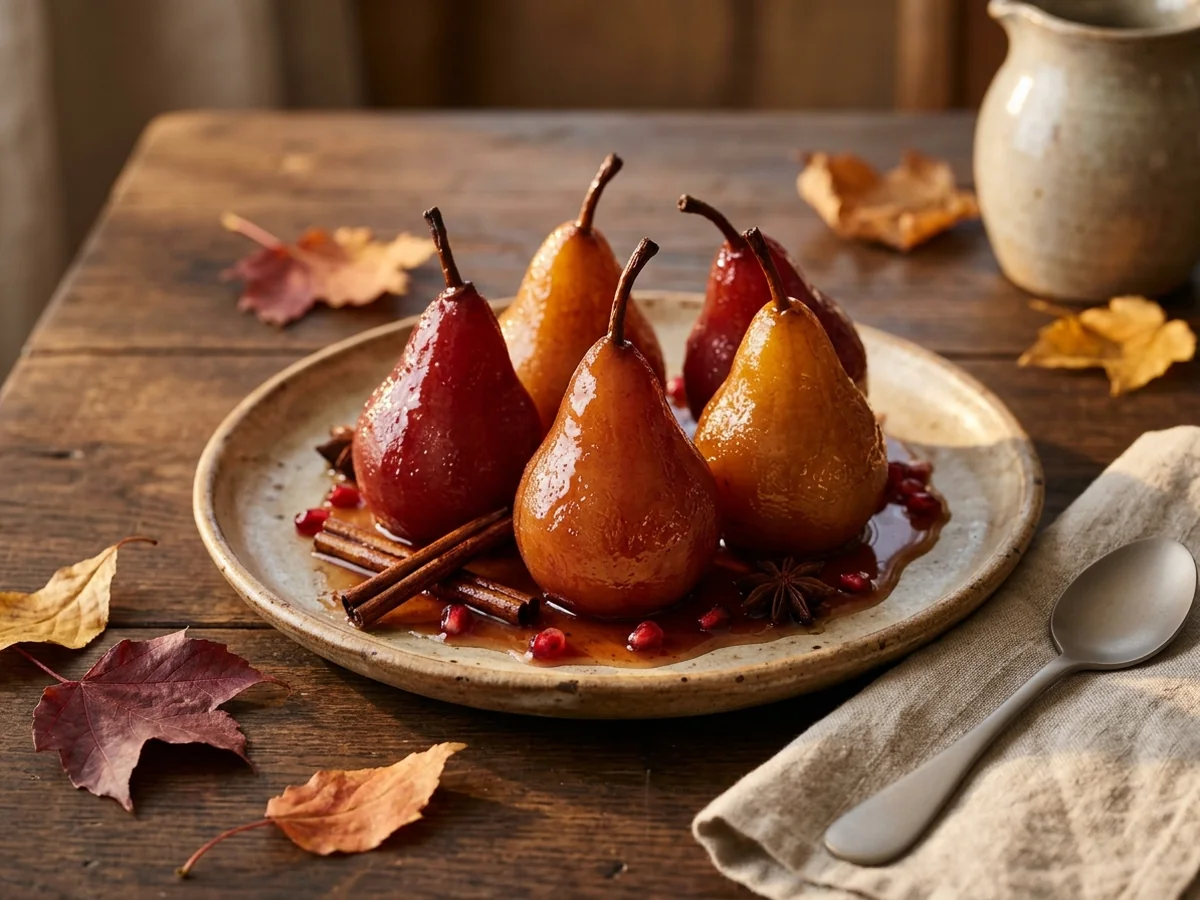
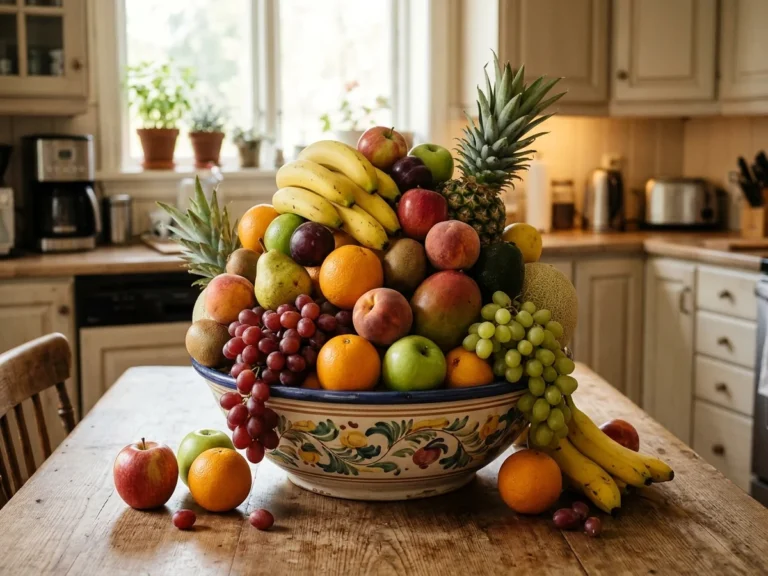
Incorporating fruit into your holiday menu is an effective way to craft healthy thanksgiving desserts that provide natural sweetness and essential fiber. Relying on the inherent sugars in seasonal produce allows you to reduce the need for refined sweeteners while boosting the nutritional profile of your meal.
Pears are particularly excellent for this purpose because they are sources of fiber and vitamin C. This fruit also brings a pleasing texture to the table, as pears hold up well in cooked desserts. Their ability to maintain structure during heat makes them an ideal choice for holiday baking, whether you are poaching them with warm spices or tucking them into a rustic crumble.
You can easily prepare fruit-centric dishes in advance to save time on the big day. Consider these options for healthy thanksgiving treats to make ahead:
- Poached pears infused with cinnamon and star anise.
- Baked apple slices topped with a crunchy oat and walnut crumble.
- Roasted fruit medleys that can be served warm or at room temperature.
Focusing on whole fruits allows you to prioritize nutrient density. When you showcase the natural flavors of the season, you create dishes that feel celebratory and satisfying. By selecting produce that retains its integrity during cooking, you ensure that every bite delivers both great flavor and the added benefit of dietary fiber.
Common Ingredient Substitutions
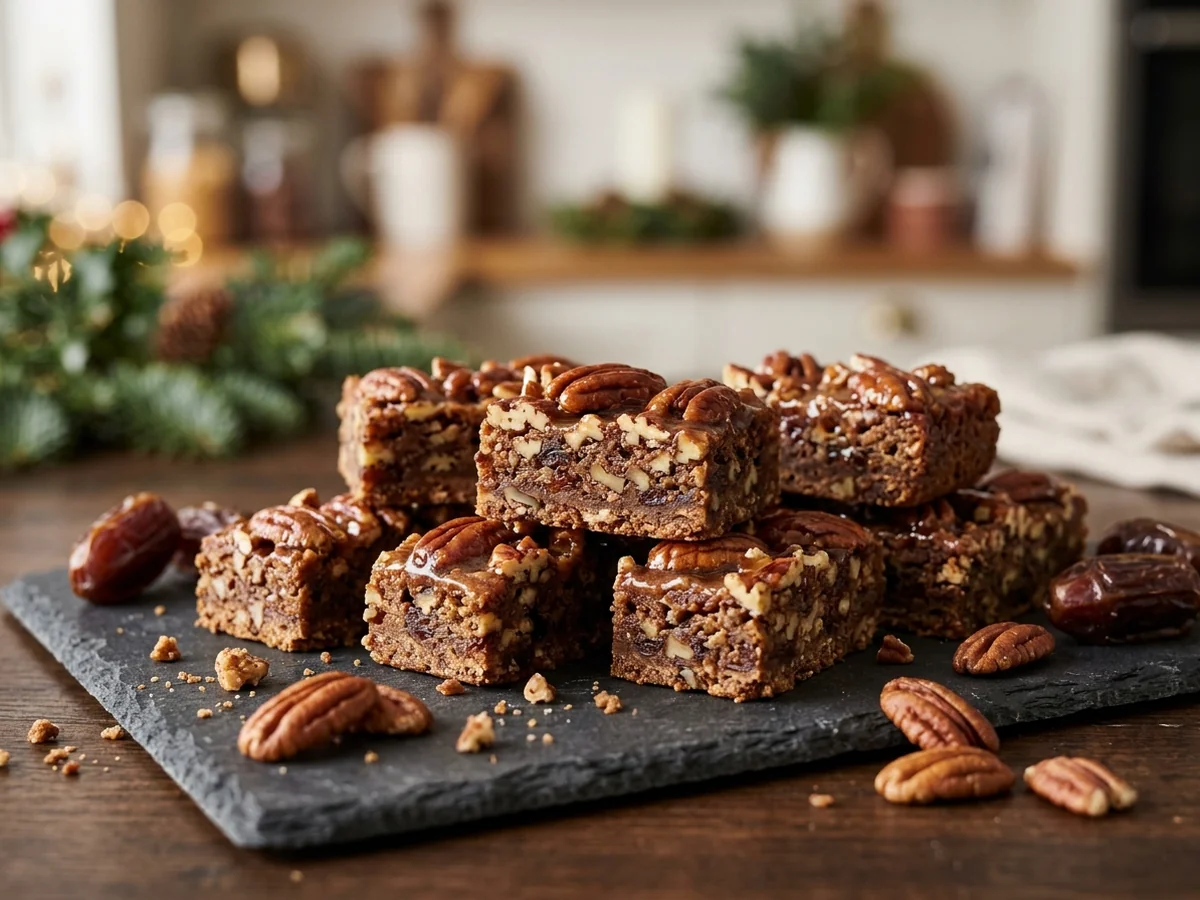
You can create easy refined sugar free desserts by replacing granulated white sugar with natural alternatives such as maple syrup, honey, or mashed dates. These options provide sweetness along with small amounts of minerals, though they should still be used in moderation. When working with fruit, pears are sources of fiber and vitamin C, and they hold up well in cooked desserts as a naturally sweet base that reduces the need for added sweeteners.
| Ingredient | Common Use | Substitution Note |
|---|---|---|
| White Sugar | Sweetening | Maple syrup or honey |
| Wheat Flour | Crusts | Almond or oat flour |
| Butter | Fat/Binding | Coconut oil or applesauce |
| Eggs | Binding | Flaxseed meal or chia seeds |
For those preparing gluten free thanksgiving desserts, swapping traditional wheat flour for almond flour adds healthy fats and a nutty flavor to pie crusts. Oat flour is another reliable option that mimics the texture of wheat without the gluten. If a recipe requires a binder, mixing ground flaxseed or chia seeds with water creates a gel that holds ingredients together effectively. When adjusting fats, unsweetened applesauce can replace a portion of the oil or butter to reduce overall fat content while keeping your baked goods moist during the holiday meal.
No Bake Dessert Options
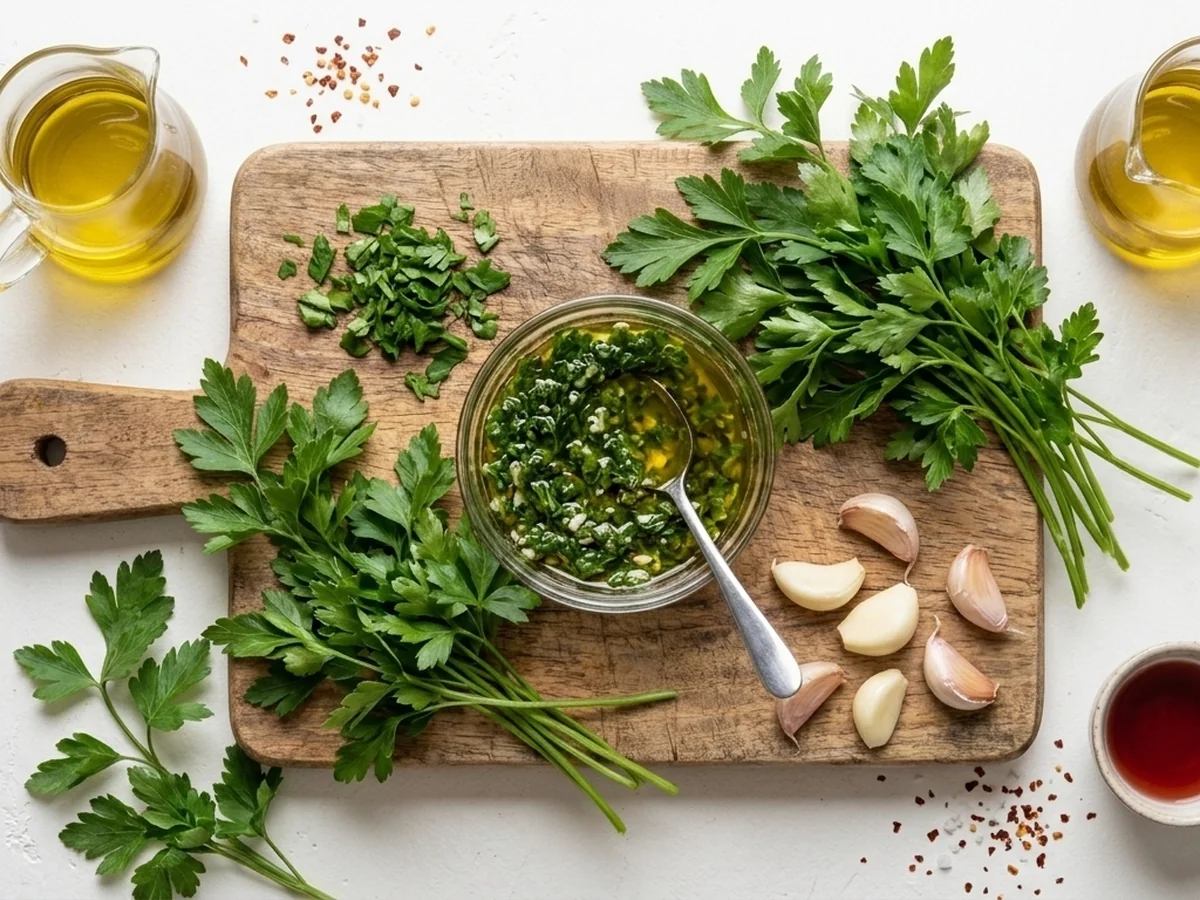
No-bake recipes provide an efficient way to manage a busy kitchen schedule by clearing up oven space for the main meal. By focusing on these methods, you can create delicious, nutrient-dense sweets while significantly reducing your holiday stress through effective advance preparation.
Many of these recipes utilize whole-food ingredients to achieve a rich texture without traditional baking. You can easily incorporate these healthy thanksgiving treats to make ahead into your planning:
- Cashew-based creams offer a velvety, plant-based alternative to heavy dairy fillings for chilled tarts or mousses.
- Crusts made from a blend of dates and nuts provide a naturally sweet, sturdy base that requires only the refrigerator to set.
- Pears are sources of fiber and vitamin C, making them an excellent choice for raw or lightly chilled dessert presentations.
- Preparing these options in advance allows flavors to meld and ensures you have a ready-to-serve dish when guests arrive.
- Using chilled, fruit-forward desserts helps balance the heavier, cooked components of a traditional holiday menu.
- Stored properly in the refrigerator, these items remain fresh and ready, which simplifies your final assembly steps on the holiday itself.
Choosing to assemble your final course without the oven allows you to focus on flavor combinations like warming spices paired with fiber-rich fruits. This approach keeps your preparation timeline flexible, ensuring you spend less time monitoring the stove and more time enjoying the gathering.
Low-Sugar Thanksgiving Dessert Recipes
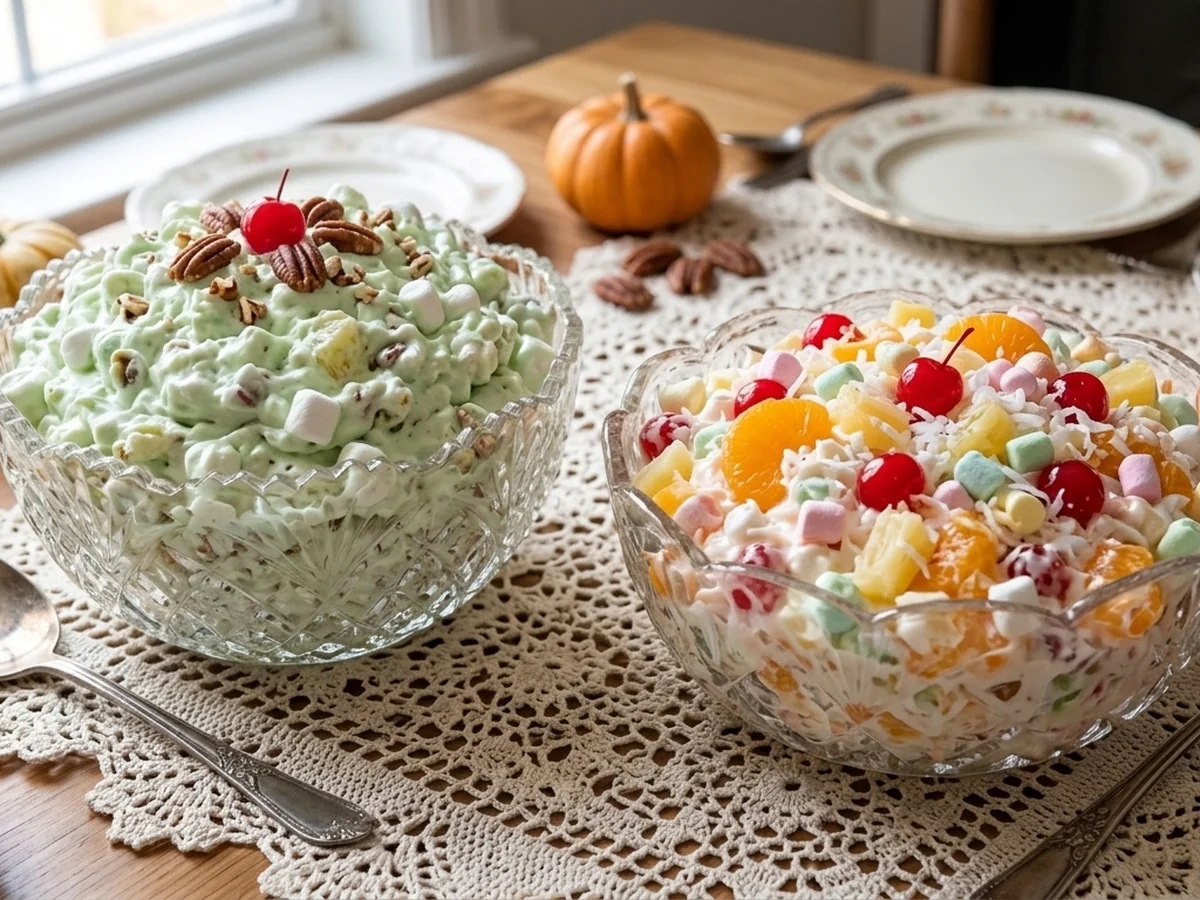
Creating balanced holiday sweets often starts with understanding the glycemic index, a ranking system for how quickly specific foods raise blood glucose levels. Opting for ingredients with a lower glycemic index helps stabilize energy levels, preventing the sharp spikes often associated with refined sugars. Fruits like pears are excellent choices for these recipes, as they provide natural sweetness alongside fiber and vitamin C. Because pears hold up well in cooked desserts, they serve as a perfect foundation for building nutrient-dense treats.
Pairing your dessert with protein or healthy fats is a simple strategy to further slow glucose absorption. Adding a dollop of Greek yogurt, a sprinkle of toasted nuts, or a serving of almond butter to your plate helps temper the body’s glycemic response. These additions create a more satisfying experience, allowing you to enjoy your favorite flavors while keeping blood sugar levels steady throughout the evening.
Practicing portion control during large gatherings remains one of the most effective ways to manage your intake without feeling restricted. Use these strategies to balance your holiday plate:
- Select smaller dessert plates to naturally limit the amount of food served at one time.
- Prioritize fiber-rich fruits to increase satiety before reaching for denser, sugar-heavy options.
- Savor each bite mindfully to appreciate the flavors of your low sugar thanksgiving desserts rather than consuming them quickly.
- Focus on quality over quantity by choosing one nutrient-dense option that you truly enjoy.
By blending smart ingredient choices with intentional serving sizes, you can participate in holiday traditions while staying aligned with your personal wellness goals. Focus on slow, deliberate enjoyment to get the most out of your festive treats.
Strategic Dessert Preparation Tips
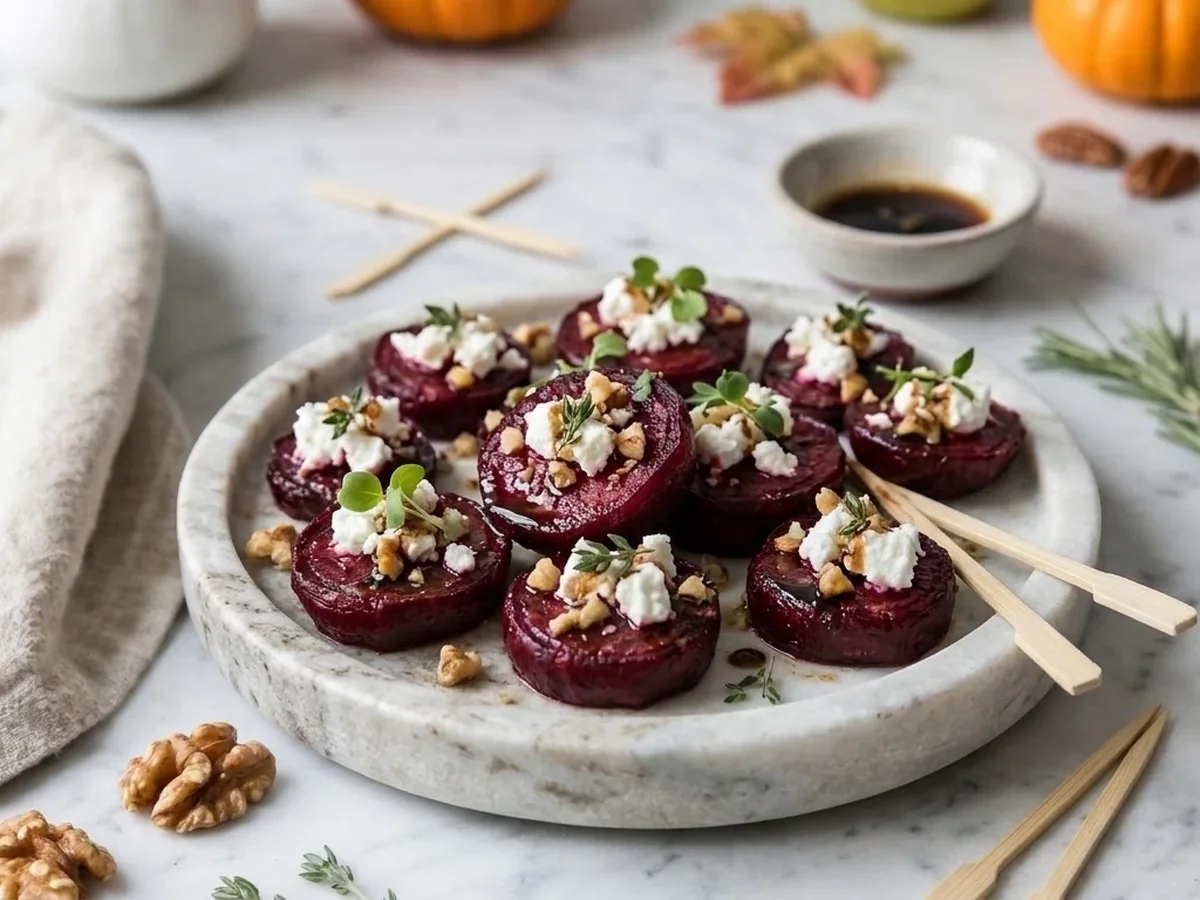
Planning your baking schedule in advance eliminates the frantic pace of holiday cooking and ensures you have more time to enjoy your guests. By breaking down tasks into smaller, manageable components, you can assemble healthy thanksgiving desserts without the stress of performing every step on the day of the feast.
Focusing on modular preparation allows you to maintain quality while managing your time effectively:
- Prepare nut crusts or whole grain bases several days in advance and store them in airtight containers at room temperature or in the freezer.
- Cook fruit fillings ahead of time, as pears hold up well in cooked desserts and offer benefits like fiber and vitamin C.
- Keep your refrigerator organized to create dedicated space for finished desserts to prevent cross-contamination or damage during transport.
- Use heavy-duty, stackable containers to keep individual portions stable and secure if you are traveling to a different location for dinner.
- Chill custards or mousse-based items fully before packing them, as this keeps the texture consistent during transit.
- Assemble complex desserts just before serving to maintain the contrast between crisp toppings and soft fillings.
If you choose to freeze components, label each container clearly with the date and contents. Proper storage ensures that even when you utilize make-ahead techniques, your final dish retains its intended texture and flavor profile. Allowing items to thaw slowly in the refrigerator overnight often yields the best results for delicate fruit-based treats.
Healthy Baking Tips for Thanksgiving
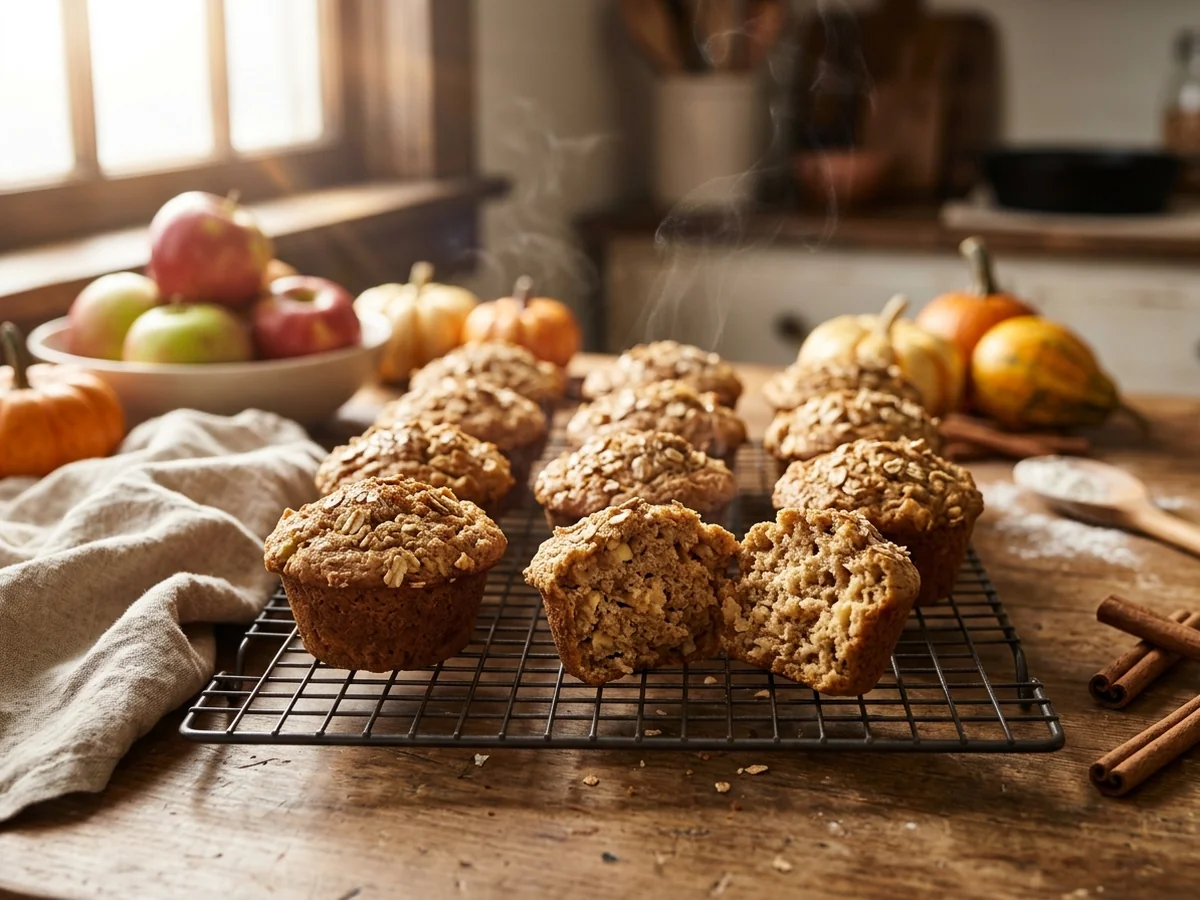
Achieving a balanced result when modifying holiday recipes requires careful planning to maintain structural integrity and flavor. You can successfully create better-for-you alternatives by focusing on chemistry and testing your adjustments well before the main event.
- Test your chosen recipes at least once before the holiday to ensure the texture and flavor meet your expectations.
- Avoid over-sweetening your bakes when substituting refined sugars, as natural sweeteners often have different intensities that can easily overpower a dish.
- Replace traditional fats with caution because changing the lipid content significantly alters the moisture and crumb structure of cakes and pastries.
- Understand that removing gluten changes how your dough binds, often requiring a blend of flours or additional binding agents like xanthan gum to prevent crumbling.
- Incorporate fiber-rich fruits to improve the nutritional profile of your sweets, keeping in mind that pears are sources of fiber and vitamin C.
- Select ingredients that perform reliably under heat, such as pears, which hold up well in cooked desserts without losing their integrity.
When you deviate from traditional baking ratios, the interaction between ingredients changes. A common pitfall is assuming that a simple one-to-one swap will yield the same result. By preparing your menu in advance, you gain the flexibility to adjust your ratios or swap out components if a trial batch does not set correctly. This approach helps you avoid stress on the day of the feast while ensuring your final creations are both delicious and aligned with your nutritional goals.
FAQ
What are some healthy Thanksgiving dessert alternatives?
You can swap traditional heavy pies for fruit-based dishes that emphasize nutrient density and fiber. Baked pears or roasted apples seasoned with warm spices provide a naturally sweet finish to your meal without the need for excessive added sugars.
Can I make traditional desserts like pie healthier?
Yes, you can improve the nutritional profile of classic recipes by using whole grain flours in the crust or reducing the amount of refined sugar in the filling. Replacing traditional sweeteners with smaller amounts of maple syrup or honey can also help manage the glycemic impact of your healthy thanksgiving desserts.
Are there no-bake dessert options for Thanksgiving?
No-bake options often utilize ingredients like blended cashews or oats to create creamy, satisfying textures without requiring an oven. These recipes are excellent healthy thanksgiving treats to make ahead, as they often firm up best after spending several hours in the refrigerator.
What role does fruit play in healthy holiday desserts?
Fruit serves as a foundation for many healthy holiday dessert recipes because it naturally provides essential nutrients like vitamin C and fiber. Pears are a particularly versatile choice because they are sources of fiber and vitamin C, and they hold up well in cooked desserts.
How can I practice portion control with holiday sweets?
Focusing on smaller serving sizes allows you to enjoy seasonal flavors while still adhering to your nutritional goals. Consider serving desserts in individual ramekins or using smaller plates to help manage intake naturally while maintaining the celebratory spirit of the holiday.
Conclusion
Selecting your holiday menu begins with prioritizing nutrient density and natural ingredients rather than focusing on restriction. By choosing healthy thanksgiving desserts that highlight fiber-rich fruits, you can enjoy a satisfying end to your meal while staying aligned with your dietary goals. Review your guest list for specific allergens or preferences, then start testing your favorite fruit-based recipes to ensure they are ready for the big day.
Sources: pmc.ncbi.nlm.nih.gov, ice.edu
You might also like: 10 Cozy Thanksgiving Desserts for Family Gatherings