10 Fruits to Eat for Weight Loss
Introduction
Selecting the right fruits for weight loss can significantly improve your ability to manage caloric intake while maintaining high nutritional quality. These fruits for weight loss serve as effective tools for satiety and overall health when integrated into a balanced lifestyle.
This article provides an evidence-based look at ten specific fruits that support your wellness goals. You will learn about their caloric density, fiber content, and practical ways to incorporate them into your daily routine. Adopting the recommendation to include five servings of fruits and vegetables each day is a foundational step for long-term health. We will also explore how these natural food choices compare to processed snacks, helping you make informed decisions that align with your weight management journey.
Top Fruits for Weight Loss
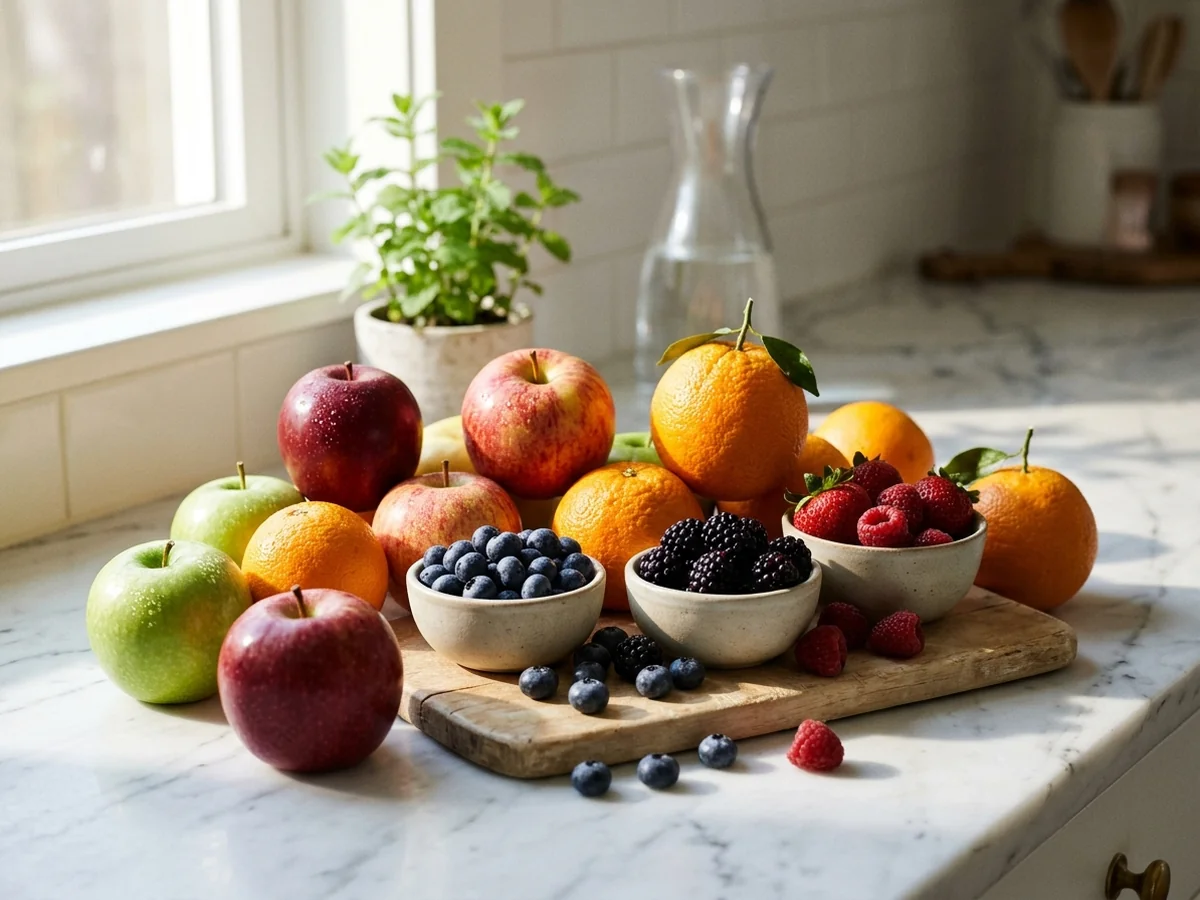
Whole fruits are essential components of a balanced diet because they provide vital nutrients while supporting overall metabolic health. The NHS notes that healthy diets should aim to incorporate five servings of fruit and vegetables each day. By choosing these natural options, you fuel your body with vitamins, minerals, and essential phytonutrients that processed alternatives simply cannot match.
Whole fruits are superior to processed snacks for weight management because they are naturally lower in caloric density and higher in nutritional value. Processed snacks often contain added sugars and refined fats that contribute to energy imbalances without providing lasting hunger relief. In contrast, whole fruits offer a satisfying experience that helps regulate appetite more effectively than calorie-dense, nutrient-poor items.
The concept of caloric density is fundamental to sustainable weight management. This refers to the number of calories present in a specific weight of food. Fruits typically have low caloric density, meaning you can consume a larger volume of food for fewer calories. For example, a 100-gram serving of watermelon contains approximately 30 calories, allowing you to enjoy a generous portion while staying within your energy goals.
Satiety, or the feeling of fullness, is another key factor when selecting snacks. Many options are fiber rich fruits for satiety, helping to slow digestion and keep you feeling satisfied for longer periods. This physical fullness is vital for preventing overeating later in the day. Bananas provide a great example of this effect. An average banana contains approximately 27 grams of carbohydrates and 3 grams of fiber, offering a steady release of energy that supports your daily activities.
Focusing on these nutrient-dense options allows you to create a sustainable eating pattern rather than relying on restrictive habits. By prioritizing whole foods, you align your intake with biological needs, making it easier to maintain a healthy weight over the long term. Incorporating a variety of these items into your daily routine ensures you get a broad spectrum of nutrients while keeping your energy levels stable.
How Fruit Supports Weight Management
Fruit aids in managing weight primarily by promoting a lasting sense of fullness and providing high nutritional volume for a relatively low number of calories. These benefits stem from the unique way natural produce interacts with your digestive system and overall energy balance. When you prioritize whole fruits, you are choosing foods that offer substantial volume to help satisfy hunger without excessive energy intake.
The Role of Fiber and Caloric Density
Dietary fiber plays a critical role in satiety because it slows down the rate at which food leaves your stomach. By increasing the time it takes to digest your meal, fiber helps you feel satisfied for longer periods after eating. An average banana contains 3 grams of fiber alongside 27 grams of carbohydrates, providing a steady source of energy. Choosing fiber rich fruits for satiety can make it significantly easier to avoid overeating throughout the day.
Low caloric density is another essential factor in reaching or maintaining a healthy weight. Foods with low caloric density allow you to consume a larger physical portion of food while taking in fewer calories compared to more energy dense options. A 100-gram serving of watermelon contains approximately 30 calories, allowing for a generous serving size that supports hydration and fullness. By shifting your focus toward these nutrient dense choices, you can create a sustainable pattern of eating that supports your weight management goals.
Practical Integration Strategies
Integrating fruit into your daily routine is a practical strategy for long term health. The NHS recommends that healthy diets should aim to incorporate five servings of fruit and vegetables each day to support overall well being. Adopting this goal provides a structured approach to increasing your intake of essential nutrients and fiber. When planning your snacks, consider these strategies to maximize the benefits of your choices:
- Focus on whole produce rather than juices to preserve fiber content and manage the glycemic impact.
- Prioritize variety to ensure a broad spectrum of vitamins and minerals.
- Use fruit as a replacement for processed snacks, such as chips or cookies, to naturally lower your total daily calorie intake.
It is helpful to keep standard caloric estimates in mind when portioning your meals. While individual sizes vary, an average banana typically contains about 105 calories. Similarly, common guidance suggests that an average-sized tomato contains approximately 22 calories, while a large tomato contains approximately 33 calories. By focusing on quality and volume, you can make your meals more enjoyable while keeping your energy needs in mind. This approach creates a sustainable, vibrant way of eating that prioritizes long term health over restrictive habits.
Nutritional Comparison of Popular Fruits
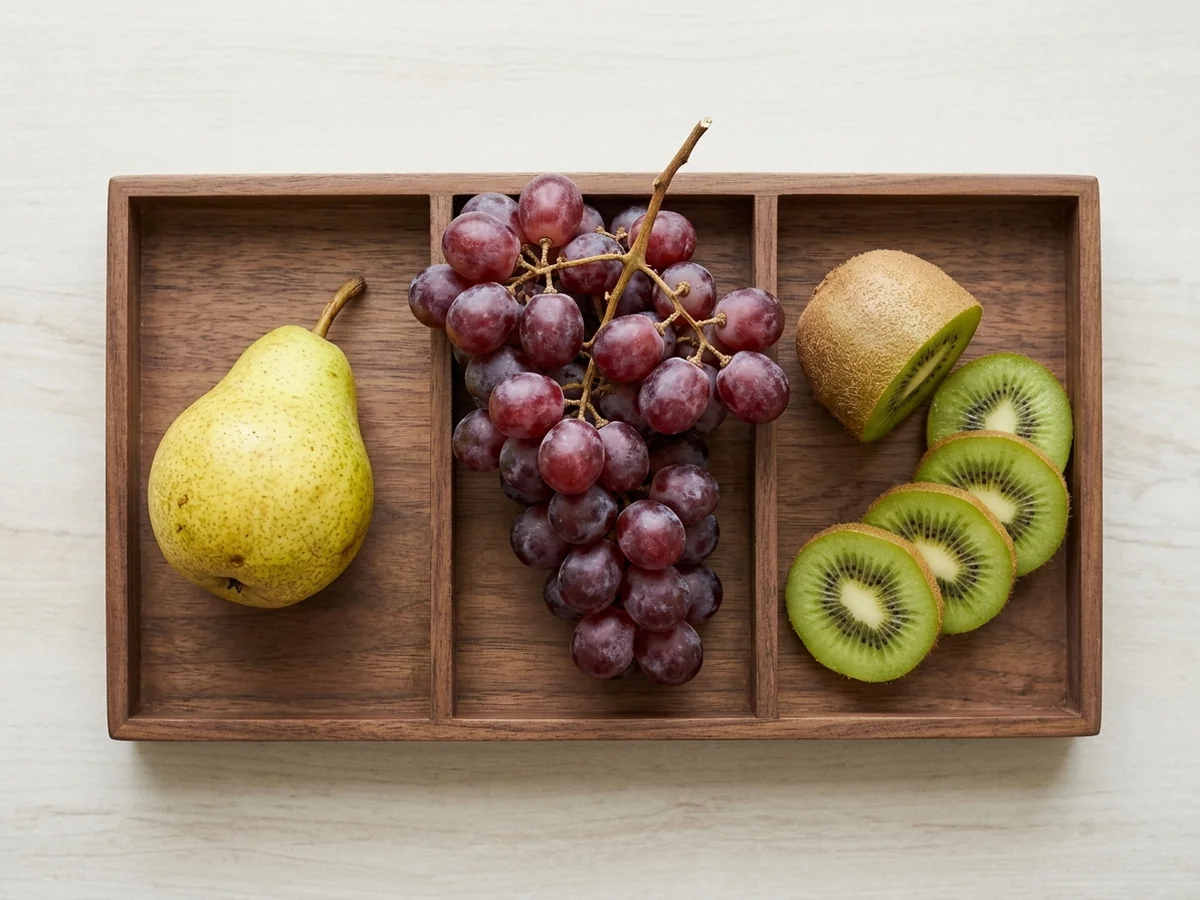
When incorporating fruits for weight loss into your routine, focusing on caloric density and fiber content is a practical way to support your long-term goals. While every whole fruit contributes to a balanced diet, understanding the specific nutritional profiles of your produce allows you to make informed, sustainable choices. The NHS notes that healthy diets should aim to incorporate five servings of fruit and vegetables each day to ensure a diverse intake of essential nutrients. By prioritizing whole, raw produce over processed varieties, you ensure the retention of structural fiber that aids in satiety.
| Fruit | Typical Calories | Fiber | Carbohydrates |
|---|---|---|---|
| Watermelon (100g) | 30 | 0.4g | 8g |
| Average Banana | 105 | 3g | 27g |
| Average Tomato | 22 | 1.5g | 4g |
Understanding Caloric Density
Effective snacking requires moving beyond simple calorie counting to consider how specific nutrients impact hunger. A 100-gram serving of watermelon contains approximately 30 calories, serving as a low calorie option for those managing energy intake. In contrast, an average banana contains 27 grams of carbohydrates and 3 grams of fiber, providing more sustained energy. While an average-sized tomato is often cited as containing approximately 22 calories, individual sizes vary, with larger tomatoes reaching closer to 33 calories. Choosing fruits with lower caloric density allows you to consume larger, more satisfying volumes of food while staying within your daily energy requirements.
The Role of Fiber and Whole Forms
One common mistake when selecting fruits for weight management is focusing solely on calorie totals while ignoring the physical form of the fruit. Whole fruits provide structure and fiber, which are essential for satiety. Juices often lack the fiber content required to regulate appetite, potentially leading to rapid spikes in blood sugar. Relying on these whole plant foods helps bridge the gap between meals, preventing the urge to reach for highly processed snacks. If you are struggling with hunger, prioritizing whole fruit over liquid alternatives is a simple, effective adjustment.
Diversity and Sustainability
As you refine your approach, remember that consistency is more important than choosing the perfect fruit every time. Diversifying your intake across different colors and types ensures a broad spectrum of micronutrients that support long-term health. Historical accounts often suggest that the grapefruit originated in the 18th century as a natural hybrid of the pomelo and the orange, which highlights the wide variety available in modern produce. By integrating a wide array of options, you avoid diet fatigue and maintain the nutritional integrity of your intake, making weight management feel like a sustainable lifestyle rather than a restrictive regime.
Best Fruit Preparation Methods

When selecting fruits for weight loss, the method of preparation is just as important as the fruit itself. Choosing whole produce over liquid versions provides significantly better satiety and metabolic control. When you consume fruit in its natural form, you retain the structural fiber that juices lack.
This fiber matrix slows digestion and keeps you feeling full longer, which is a critical component of healthy weight management. By contrast, juicing removes this protective barrier, often leading to rapid spikes in blood glucose and insulin levels.
The Benefits of Raw Consumption
Prioritizing raw fruit remains the gold standard for maintaining the highest volume and texture. Chewing whole pieces requires more time and effort, which signals your brain that you are consuming a substantial meal rather than a quick, calorie-dense liquid source.
An average banana contains approximately 3 grams of fiber and 27 grams of carbohydrates. By eating the fruit whole rather than blending it, you allow your digestive system to process these nutrients more steadily. This approach supports better hunger regulation throughout the day, helping you stay satisfied between meals.
When to Use Gentle Cooking
If you find raw options difficult to digest, consider gentle cooking methods. Lightly poaching or steaming firmer items like apples or pears can soften their cellular structure, making them easier on your system without sacrificing nutritional value. When preparing these items, always keep the skin on whenever possible, as it holds a significant portion of the total fiber content.
Avoiding added sugars or syrups during cooking is essential to ensure you do not shift the nutritional profile toward high-calorie territory. Focus instead on the reliable caloric density of your choices: a 100-gram serving of watermelon contains approximately 30 calories, making it a reliable option for volume-based snacking.
Practical Strategies for Daily Intake
Incorporating variety into your daily routine is a practical strategy for long-term health. Per NHS guidance, healthy diets should aim to incorporate five servings of fruit and vegetables each day. When evaluating your intake, consider the following general guidelines for common produce:
| Fruit Item | Approximate Calories |
|---|---|
| Average Banana | 105 calories |
| Average Tomato | 22 calories |
| Large Tomato | 33 calories |
Focusing on the whole, raw state allows you to benefit from natural water content and fiber rich properties that support your goals. By shifting away from processed juices and opting for whole fruit, you gain better control over your hunger signals and overall energy intake. This shift is a sustainable way to integrate healthy fruit snacks for weight management into a busy weekday schedule without the stress of complex meal prep.
Common Fruit Diet Mistakes
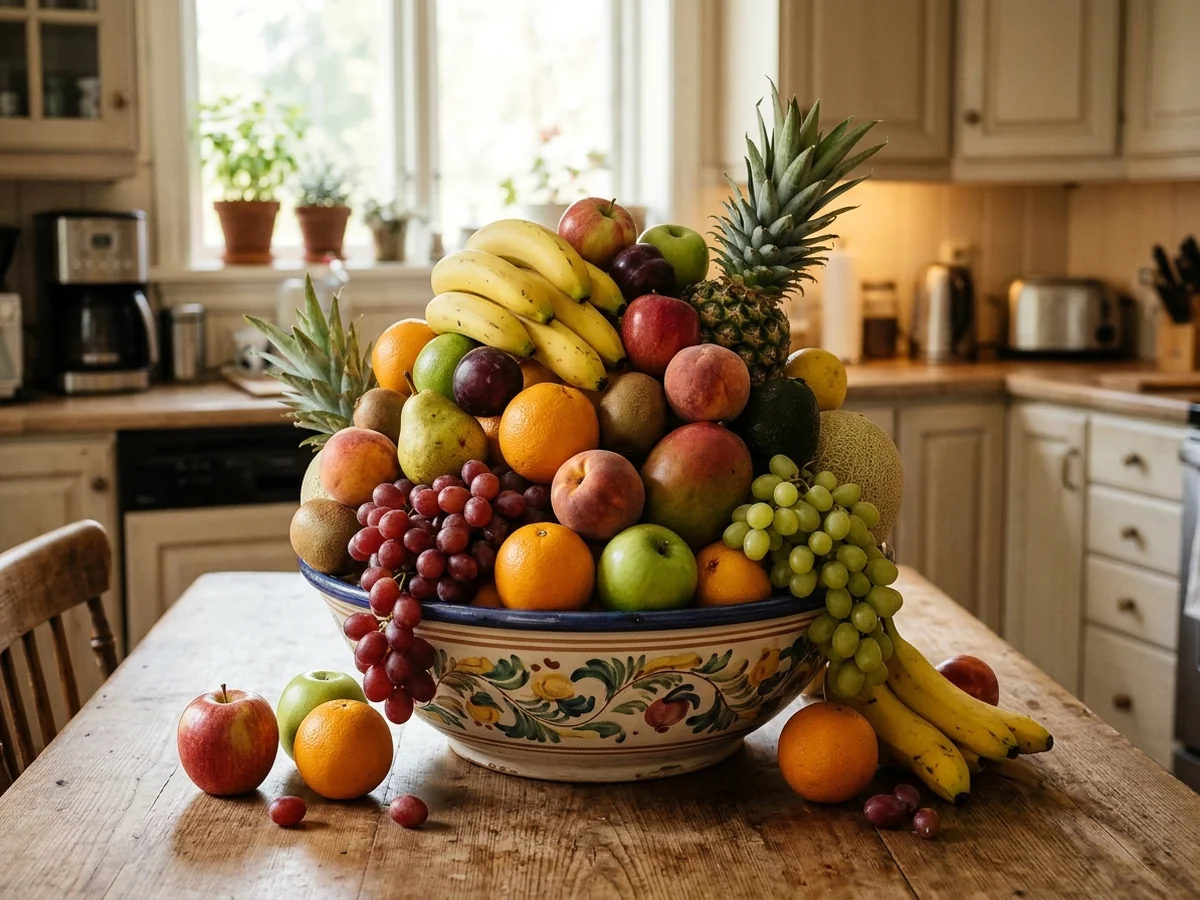
Weight management success depends on mindful consumption, as treating fruit as a limitless food source or relying on processed versions can easily lead to a caloric surplus. While these items are nutrient-dense, they are not calorie-free, and their energy density varies significantly based on how they are prepared or preserved. Healthy diets should aim to incorporate five servings of fruit and vegetables each day, but these portions still count toward your total daily energy budget.
The Trap of Liquid Consumption
Excessive reliance on smoothies is a frequent error. By liquefying produce, you often miss out on the physical act of eating, which helps signal fullness to the brain. Furthermore, commercial or even homemade smoothies often include added sweeteners or high-calorie bases that turn a simple snack into a calorie-dense meal. Liquid-based preparations often blend multiple portions, which can hide the total caloric count and remove fiber that aids satiety. Choosing whole, raw options is generally more effective for appetite control than consuming them in processed or liquid forms.
Misunderstanding Caloric Density
The misconception that all produce is calorie-free stems from a misunderstanding of energy density. Even healthy choices contribute to your overall intake. An average banana contains approximately 105 calories, 27 grams of carbohydrates, and 3 grams of fiber. When you increase your intake without accounting for these values, you may unintentionally exceed your caloric needs. A 100-gram serving of watermelon contains approximately 30 calories, but consuming large, unmeasured portions can quickly add up.
Portion Control and Preparation
Consider these common pitfalls when incorporating produce into your daily intake:
- Dried varieties contain highly concentrated sugar and calories in small portions, making it easy to consume more energy than intended.
- Viewing natural sugar as entirely exempt from your energy budget ignores the reality that calories from any source contribute to weight management.
- Ignoring portion sizes can lead to excessive intake, which may stall progress toward your wellness goals.
- Large, blended drinks often lack the chewing resistance of whole produce, leading to faster consumption and a potential spike in blood glucose levels.
To maintain balance, be aware of the typical caloric values of common items. Guidance suggests an average-sized tomato contains approximately 22 calories, while a large tomato contains approximately 33 calories. By focusing on whole options that provide plenty of fiber to help you feel full rather than processed alternatives, you can better manage your hunger while supporting your health goals. When planning your meals, treat fruit as a component of your overall daily nutrition rather than an unrestricted food group, ensuring that your choices align with your long-term wellness objectives.
Glycemic Index and Weight Loss
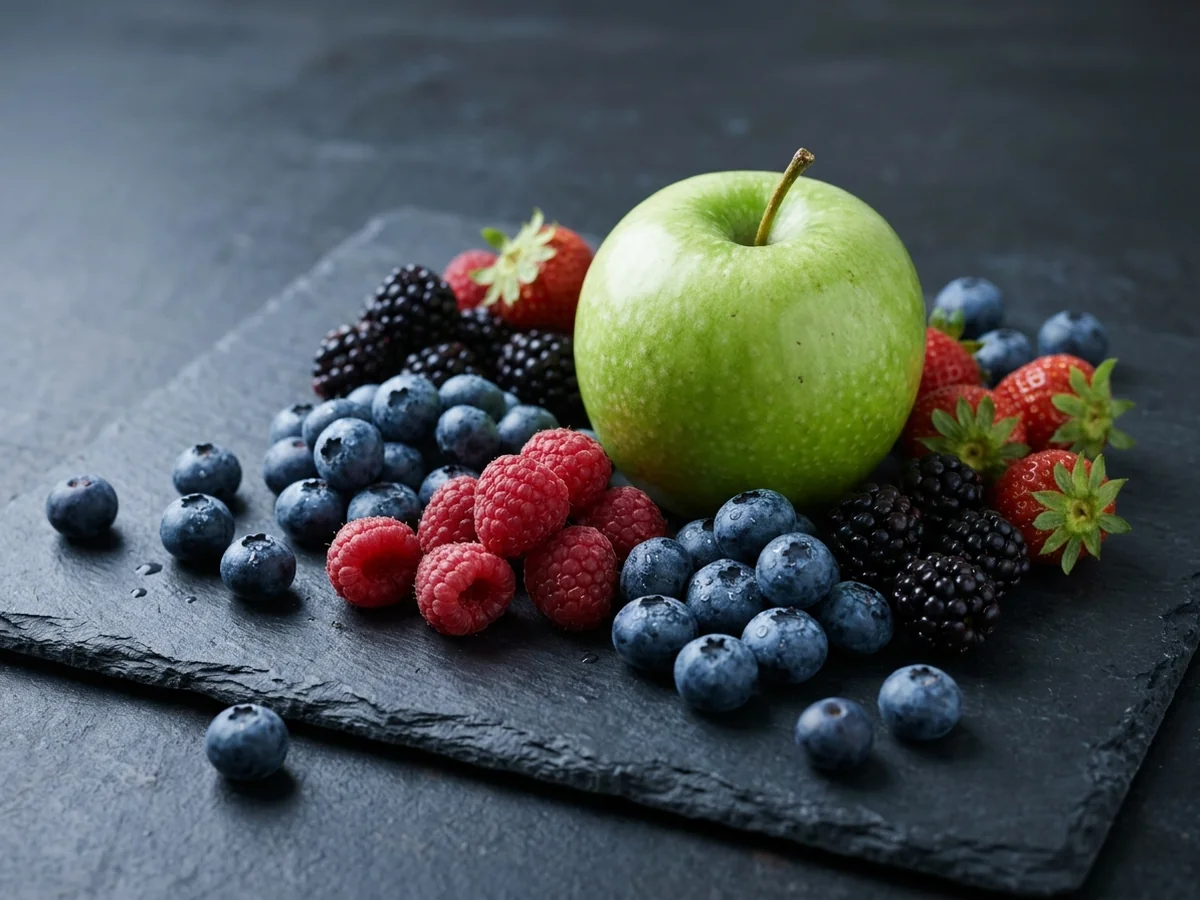
The Glycemic Index (GI) serves as a tool for understanding how specific foods influence blood glucose levels, which in turn plays a significant role in hunger regulation. Foods that rank lower on the index are generally digested more slowly, which leads to a more gradual rise in blood sugar rather than a sharp spike. By keeping these levels steady, you can experience longer periods of satiety. This stability makes it significantly easier to manage your total caloric intake throughout the day, as you are less likely to encounter the sudden, intense hunger pangs that often lead to overeating.
When selecting fruits for weight loss, it is helpful to understand the role of fructose. While fruit contains this natural sugar, it is bundled with essential dietary fiber and water. This natural matrix is a key factor in metabolic health, as the fiber slows the absorption of sugars into the bloodstream. This process prevents the rapid insulin spikes that can otherwise trigger fat storage. Relying on whole fruit rather than processed sweeteners ensures you receive the benefits of these nutrients, supporting your goals without the metabolic drawbacks of refined sugars.
A common mistake is viewing fruit solely through the lens of sugar content, leading many to avoid them unnecessarily. Instead, consider the overall nutritional package. An average banana contains approximately 27 grams of carbohydrates and 3 grams of fiber, providing a balance of energy and digestive support. To further optimize your energy levels, you can pair fruit with a source of protein or healthy fats. This combination slows gastric emptying, which is a highly effective strategy for healthy fruit snacks for weight management. Pairing a small serving of fruit with a handful of nuts or Greek yogurt creates a balanced snack that keeps your energy consistent.
Practical application is simple: focus on incorporating whole, unprocessed fruit into your routine to meet the recommendation of five servings of fruits and vegetables each day. If you find your energy crashing in the afternoon, swapping a refined snack for a piece of whole fruit paired with protein can prevent the cycle of mindless grazing. By focusing on the quality and context of your snacks, you create sustainable habits that support your weight loss journey without the need for restrictive or unsustainable rules.
When to Seek Dietary Advice

While incorporating fruits for weight loss is a foundational step toward a balanced lifestyle, individual metabolic needs often require a more tailored strategy. You should consult a healthcare professional or a registered dietitian if you are managing underlying health conditions or if your weight management efforts do not yield the intended results despite consistent lifestyle adjustments.
Navigating Metabolic and Medical Needs
Individuals living with insulin resistance or diabetes require personalized dietary plans to manage how different foods affect their blood glucose levels. Because fruit contains fructose, timing and portion sizes must be balanced to maintain glycemic control. A registered dietitian can help you select specific options that fit your medical needs without sacrificing the nutritional benefits of a fiber rich diet.
They can also explain why a 100-gram serving of watermelon, which contains approximately 30 calories, affects your body differently than a banana. An average banana contains approximately 27 grams of carbohydrates and 3 grams of fiber.
Signs You Need Professional Guidance
Sometimes, weight management requires more than simple dietary shifts. If you find that you are struggling with persistent weight plateaus, unexplained fatigue, or difficulty regulating hunger, it may be time to look beyond your plate. These symptoms can indicate hormonal imbalances, metabolic issues, or other physiological factors that a standard diet plan cannot address alone.
Seeking professional input is particularly important if you are considering significant caloric restrictions. Professionals ensure that you reach your goals while still hitting your nutritional targets, such as the NHS recommendation to incorporate five servings of fruit and vegetables each day. Relying on clinical expertise reduces the risk of nutritional deficiencies and helps you navigate the complex information surrounding healthy eating in a way that is personal to your biology.
Building Sustainable Habits
Registered dietitians provide the necessary expertise for long-term health and sustainable success. They move beyond temporary changes to help you build a relationship with food that lasts a lifetime. By working with a qualified expert, you ensure that your eating habits remain nutritionally complete and safe for your specific body composition and activity level.
Whether you are curious about how the caloric density of your favorite produce fits into your week or need help managing specific cravings, an expert can translate broad guidelines into a concrete, daily plan. They help you distinguish between healthy fruit snacks for weight management and choices that may not align with your specific goals, ensuring you stay satisfied while nourishing your body correctly.
Maintaining Weight Loss Success

Sustaining long-term health goals requires viewing produce as a core component of your daily routine rather than a temporary dietary adjustment. Integrating consistent habits helps you reach the standard of five servings of fruit and vegetables each day, as recommended by the NHS, which supports overall satiety and consistent energy levels. When managing weight, the focus should be on caloric density and nutrient quality rather than restrictive patterns.
Understanding Caloric and Nutrient Density
Choosing whole foods that provide significant volume with fewer calories is one of the most effective strategies for weight management. A 100-gram serving of watermelon contains approximately 30 calories, making it a hydrating, low-calorie option. While fruits contain natural sugars, they also provide essential fiber, which slows digestion and helps regulate blood sugar levels. An average banana contains approximately 3 grams of fiber and 27 grams of carbohydrates, providing a sustained energy source that processed snacks often lack. When evaluating fruits for weight loss, keep in mind that an average banana typically contains about 105 calories, which is a manageable addition to a balanced meal plan when accounted for in your total daily intake.
The Role of Variety and Color
Choosing a diverse range of colors when selecting produce is a simple way to ensure you receive a broad spectrum of micronutrients. Different pigments often signal the presence of unique antioxidants and phytonutrients that work together to support metabolic function. By filling your plate with a vibrant variety, you naturally increase the nutritional density of your meals, making it easier to feel satisfied without excessive caloric intake. Tomatoes are a versatile staple, and common guidance suggests an average-sized tomato contains approximately 22 calories, while a large tomato contains approximately 33 calories. Incorporating such items into your routine provides flavor and structure without compromising your goals.
Practical Strategies for Consistency
To maintain progress, transform your kitchen environment to support healthy choices. Relying on convenience often leads to processed alternatives, so having prepped fruit ready to eat is a significant advantage.
- Rotate your selections weekly to keep your palate engaged and ensure you receive various vitamins.
- Purchase local, in season options to enjoy the best quality and support your local food economy.
- Keep easily accessible, prepped options in your kitchen to replace less nutrient dense snacks when hunger strikes.
Rather than searching for specific fruits for belly fat loss, focus on how whole foods contribute to a balanced, high-fiber intake that keeps you full throughout the day. This shift in perspective makes it easier to navigate social situations and busy work weeks while keeping your nutritional objectives on track. By prioritizing whole, unprocessed options, you build a foundation that supports your body naturally as you work toward your personal health milestones. Consistency remains the most important factor in any lasting dietary pattern.
FAQ
Are sweet fruits bad for weight loss?
Sweet fruits are not inherently bad for weight loss, as they provide essential nutrients alongside their natural sugar content. Choosing whole fruit rather than processed sweets allows you to benefit from fiber, which helps regulate how your body absorbs those natural sugars.
Why does fruit help with weight management?
Fruit supports weight management primarily through high water and fiber content, which increases satiety without adding excessive calories. Integrating these foods into your routine makes it easier to reach the recommended five servings of fruit and vegetables each day.
Does fruit color matter for health?
Different colors in fruits often indicate a diverse range of vitamins, minerals, and antioxidants that support overall health. Eating a variety of colorful produce ensures you receive a broad spectrum of nutrients that contribute to a balanced diet.
Can eating fruit replace snacks like chips?
Replacing calorie-dense snacks with fruit provides a satisfying, nutrient-dense alternative that aligns better with weight loss goals. A 100-gram serving of watermelon contains approximately 30 calories, while an average banana contains 3 grams of fiber and 27 grams of carbohydrates.
How many calories are in common fruits?
Caloric content varies by type and size, with many options being relatively low in energy density. Common guidance suggests an average-sized tomato contains about 22 calories, a large tomato has approximately 33 calories, and an average banana contains roughly 105 calories.
Conclusion
The most effective strategy for weight management involves replacing energy-dense snacks with whole, nutrient-dense options. You should aim to incorporate five servings of fruit and vegetables each day to maximize your intake of essential vitamins and fiber. By selecting the right fruits for weight loss, you can improve satiety while supporting your overall nutritional needs. Start your journey by swapping processed snacks for fresh whole fruits this week to see how these simple additions impact your energy levels and long-term goals.
Sources: health.clevelandclinic.org, nutritionsource.hsph.harvard.edu, nhs.uk
You might also like: 10 Elegant Thanksgiving Desserts for a Festive Table