
10 Best Foot Cream Tips for Cracked Heels
Introduction
Selecting the right foot cream for cracked heels requires identifying active ingredients that effectively soften thick, calloused skin. Finding a reliable foot cream for cracked heels involves understanding how specific compounds work to repair your skin barrier and restore moisture.
This guide covers the most effective ingredients for dry, fissured skin and provides actionable techniques for maximizing product absorption. You will learn how to differentiate between standard moisturizers and therapeutic ointments, when to utilize overnight occlusion methods, and the appropriate timing for seeking professional podiatric care. Whether you are managing simple dryness or deep fissures, this information helps you navigate your options with confidence.
Best Ingredients for Cracked Heels
Effective treatment for fissured heels relies on ingredients that provide both deep hydration and controlled exfoliation. Urea is a common component in therapeutic formulations because it functions as a keratolytic agent to soften hard skin while acting as a humectant to draw moisture into the epidermis. Clinical guidance often suggests that urea at concentrations around 40 percent is particularly effective for thick, stubborn calluses.
You may also look for specific acid combinations that accelerate skin renewal. For instance, Kerasal Intensive Foot Repair is a verified formulation that contains a combination of salicylic acid and urea to address both dryness and dead skin buildup. Other products, such as O’Keeffe’s Healthy Feet, frequently utilize allantoin to help skin penetration. These components work together to restore the skin barrier more efficiently than simple cosmetic lotions.
Understanding the distinction between standard moisturizers and medicated ointments is important for long-term foot health. Cosmetic lotions are generally designed to provide surface-level hydration, which may feel soothing but often lacks the strength to penetrate deep, hardened fissures. Medicated repair ointments are formulated with higher concentrations of active agents to soften and exfoliate, making them a more targeted solution for severe dryness.
Early intervention is critical when managing fissured skin. If you ignore deep cracks, you increase the risk of the fissures breaking through the skin barrier, which can lead to painful inflammation or bacterial infections. Consistent care, such as applying a specialized ointment immediately after bathing, helps lock in moisture before the skin has a chance to dehydrate further. Wearing cotton socks overnight after application is another verified method to improve ingredient absorption and protect your feet.
When selecting your regimen, consider the following common price points and characteristics:
- Urea 40 percent cream typically costs between $15 and $30, depending on the brand and container size.
- Products like Kerasal Intensive Foot Repair are typically priced between $9 and $15.
- Medicated options focus on repairing the skin barrier, whereas standard lotions often provide only temporary relief.
- Professional podiatry visits for severe heel issues are sometimes covered by insurance, though patients may pay copays starting around $20.
Why Cracked Heels Require Cream
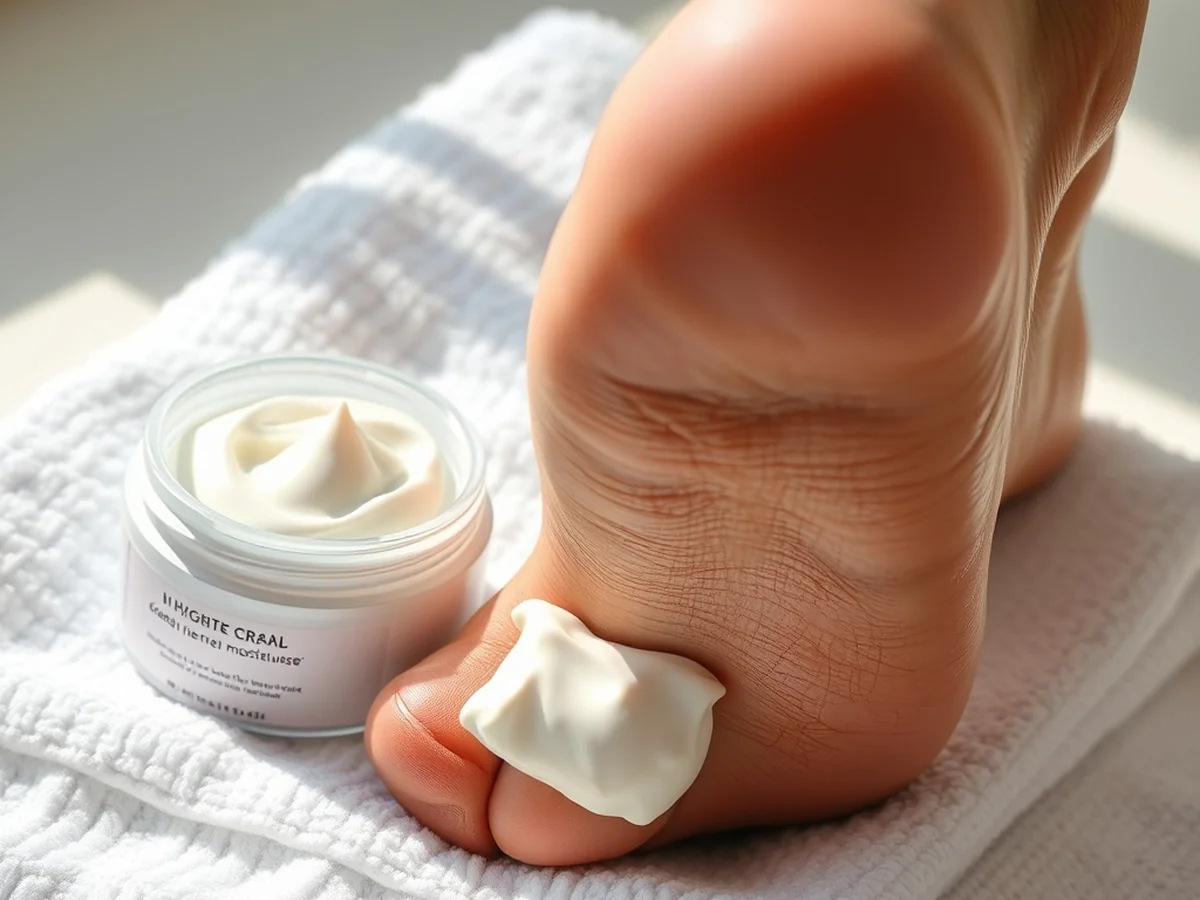
Specialized topical treatments are essential for heels because the skin in this area is naturally prone to thickening and losing moisture. Without consistent hydration and exfoliation, the pressure from daily movement causes this thick skin to split into painful fissures. Because the skin on the bottom of the foot lacks oil glands, it relies entirely on external moisture to stay supple. When you stand or walk, body weight exerts significant pressure on the fat pad of the heel, causing the skin to expand. If the surface is dry and inelastic, it tears.
The Science of Active Ingredients
Effective treatments often rely on specific chemical actions to restore health. Keratolytic agents, such as salicylic acid, help break down and remove the buildup of dead skin cells. Humectants are commonly used to draw moisture into the deeper layers of the skin. For example, urea at 40 percent concentration is often used in foot care because it functions as both a keratolytic agent and a humectant. Products like Kerasal Intensive Foot Repair are known to contain a combination of salicylic acid and urea to address both the hardness of the callus and the depth of the dehydration. Other formulations, such as O’Keeffe’s Healthy Feet, frequently utilize allantoin to aid in skin penetration.
Optimizing Your Routine
To see results, application technique is as important as the product choice. Applying foot cream immediately after bathing helps lock in moisture before it evaporates. Many users find that wearing cotton socks overnight after applying foot cream can significantly improve absorption and soothe the skin. Consistency is the primary factor in how to heal cracked heels fast, as the skin needs regular support to maintain its elasticity under mechanical stress.
When to Seek Professional Care
While over-the-counter options are effective for mild to moderate cases, systemic conditions require more caution. For individuals managing conditions like diabetes, maintaining skin integrity is critical to prevent complications. If you notice signs of infection, such as redness, warmth, or discharge, it is important to consult a professional. Podiatry visits for cracked heels are sometimes covered by insurance, though patients may pay copays ranging from $20. A podiatrist can provide specialized callus removal and assess whether you require prescription-strength interventions.
Budgeting for foot health is generally manageable. While prices fluctuate, urea 40 percent cream typically costs between $15 and $30 depending on brand and size, while Kerasal Intensive Foot Repair is typically priced between $9 and $15. By combining the right ingredients for dry cracked feet with a consistent daily routine, most individuals can successfully manage heel health and prevent the development of painful fissures.
How Creams Heal Cracked Heels
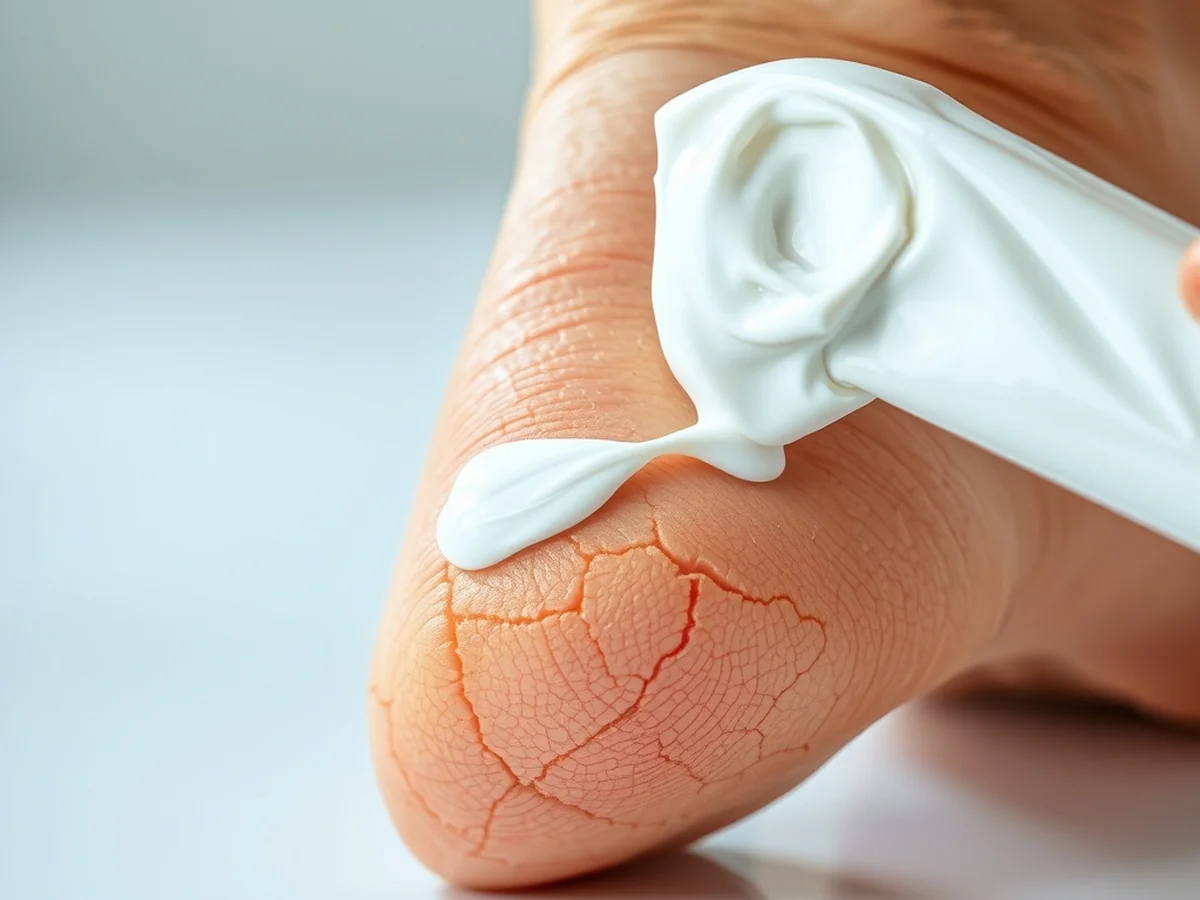
Specialized foot cream for cracked heels works by addressing the two primary challenges of thickened skin: the buildup of dead cells and the loss of deep hydration. Effective formulations combine keratolytic agents, which shed hardened layers, with humectants, which draw moisture into the tissue. This dual-action approach is essential because simply adding moisture to a thick callus often fails to penetrate the skin barrier effectively.
The Role of Keratolytics and Humectants
Keratolytic agents, such as salicylic acid, are designed to loosen the protein structure of dead skin cells. By chemically exfoliating the hardened surface, these ingredients clear a path for hydrating components to reach the living epidermis. Once the outer layer is softened, humectants take over by pulling water into dehydrated cells to improve texture and flexibility.
It is common clinical guidance to use urea at a 40 percent concentration because it functions simultaneously as a keratolytic and a humectant. This versatility makes it a frequent choice for managing significant dryness.
Optimizing Your Routine
Product selection is only one part of the healing process. To maximize results, the timing and method of application are critical. Applying foot cream immediately after bathing helps lock in moisture. For more intensive treatment, wearing cotton socks overnight after applying the cream can improve absorption by keeping the product in contact with the skin.
If you are looking for specific formulations, Kerasal Intensive Foot Repair contains a combination of salicylic acid and urea. Other options, such as O’Keeffe’s Healthy Feet, are often noted for using ingredients like allantoin to assist with skin penetration.
Professional Care and Costs
While many over-the-counter products are effective, persistent fissures may require professional intervention, especially for individuals managing conditions like diabetes. Understanding the landscape of professional care is part of comprehensive foot health.
Podiatry visits for cracked heels are sometimes covered by insurance, though patients may pay copays starting around $20 depending on their specific plan. When purchasing products, budget accordingly. Urea 40 percent cream typically costs between $15 and $30 depending on brand and size, while Kerasal Intensive Foot Repair is typically priced between $9 and $15. Always monitor your progress and consult a professional if the skin does not improve or if you notice signs of infection, as proper management of diabetic foot care for heels is essential to prevent complications.
Comparing Key Ingredients
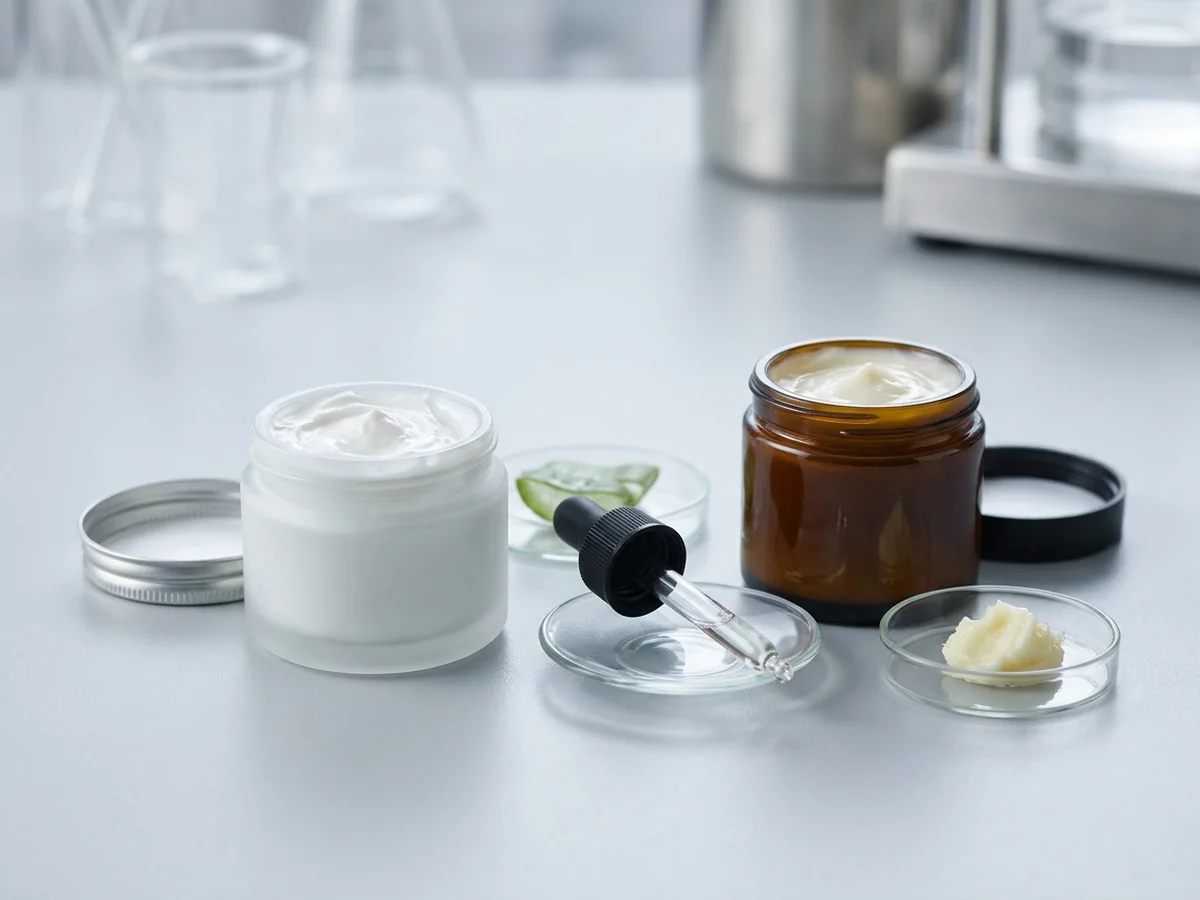
Effective treatment for persistent heel fissures often relies on a combination of chemical exfoliants and deep moisturizers. Choosing the right foot cream for cracked heels involves understanding how specific ingredients work to soften hardened skin and deliver hydration to the deeper layers of the epidermis. Utilizing the correct formulation is essential for addressing the thickened skin characteristic of chronic dryness.
| Ingredient | Primary Function |
|---|---|
| Urea | Keratolytic and humectant |
| Salicylic Acid | Keratolytic exfoliant |
| Allantoin | Skin penetration support |
| Ceramides | Barrier repair |
| Alpha Hydroxy Acids | Chemical exfoliation |
Understanding Active Ingredients
Kerasal Intensive Foot Repair contains a combination of salicylic acid and urea to treat damaged skin. Salicylic acid acts as a keratolytic agent to shed dead cells, while urea serves as a humectant to draw moisture into the skin. Common guidance suggests that urea at a 40 percent concentration is highly effective for these tasks, though formulations vary. When comparing the best cream for badly cracked heels, Kerasal Intensive Foot Repair is typically priced between 9 and 15 dollars, whereas 40 percent urea creams typically cost between 15 and 30 dollars depending on the brand and container size.
Other products utilize different mechanisms to improve skin texture. It is common practice to use allantoin, an ingredient found in O’Keeffe’s Healthy Feet, to assist with skin penetration. This helps the moisturizing components move past the thick, calloused outer layer of the heel. Meanwhile, alpha hydroxy acids and ceramides offer complementary benefits by providing gentle chemical exfoliation and restoring the natural skin barrier to prevent future moisture loss.
Optimizing Your Routine
Selecting the right ingredients is only part of the process. To ensure the best results, application timing is critical. Applying foot cream immediately after bathing helps lock in moisture, which is vital for healing. Furthermore, wearing cotton socks overnight after applying your chosen treatment can improve absorption and prevent the cream from rubbing off on bedding.
When to Consult a Professional
While over-the-counter solutions are effective for many, persistent fissures may require a professional assessment. If you are managing conditions like diabetes, it is important to consult a provider regarding appropriate foot care. Podiatry visits for cracked heels are sometimes covered by insurance, though patients may pay copays ranging from 20 dollars. A podiatrist can determine if your condition requires medical-grade intervention rather than standard retail products.
Effective Application Techniques
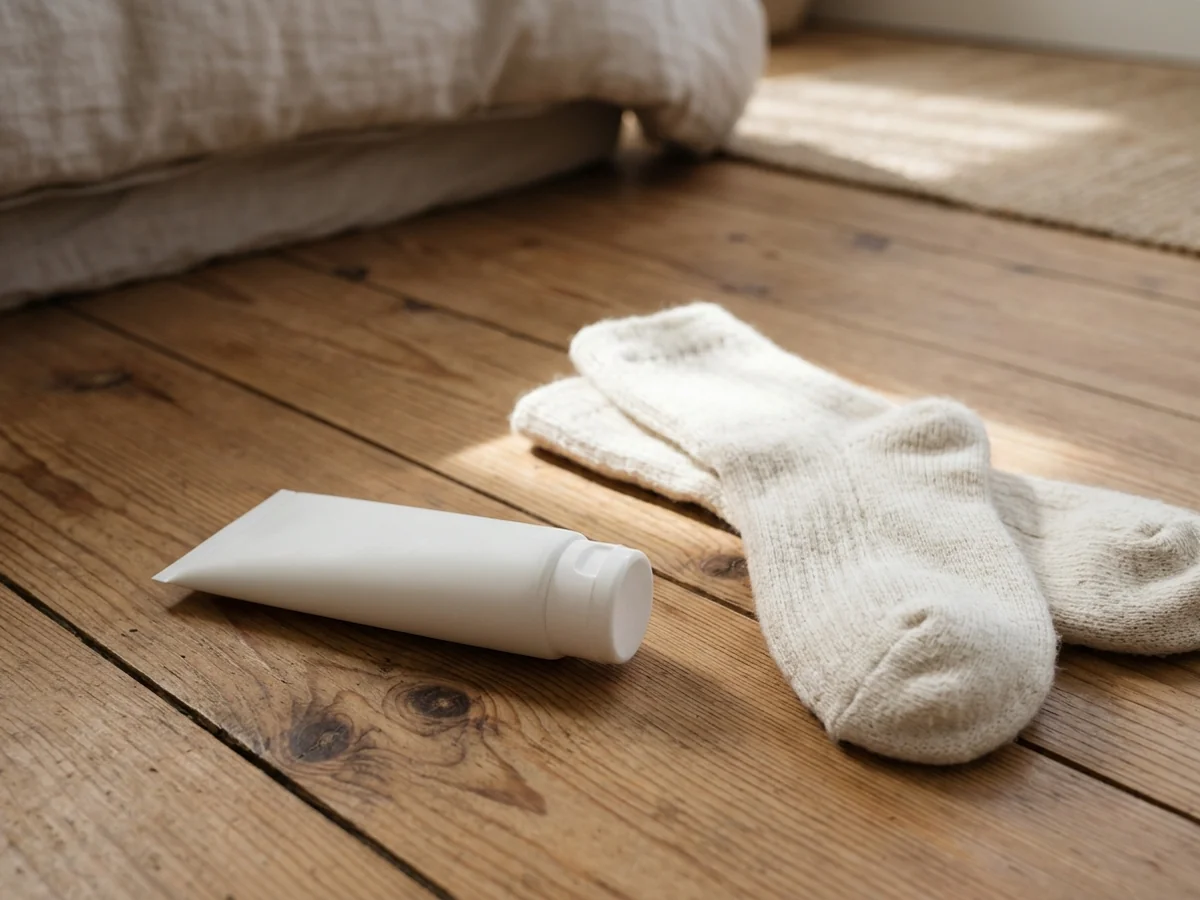
Maximizing the efficacy of your chosen foot cream for cracked heels requires more than just occasional application. Consistency and specific technique are essential for softening thickened skin and allowing active ingredients to penetrate the barrier effectively. Whether you are using a specialized treatment or a heavy-duty moisturizer, the following methods help ensure that your skin receives the full benefit of the product.
The most critical window for application is immediately after bathing. Applying foot cream right after you shower or soak your feet helps lock in moisture while the skin is still damp. Because the skin is hydrated from the water, the cream acts as a sealant, preventing that moisture from evaporating. This step is foundational for those learning how to heal cracked heels fast, as it prepares the hardened tissue to better absorb ingredients. Often, urea at 40 percent concentration is used in these products because it functions as both a keratolytic agent and a humectant.
To improve absorption and protect your skin overnight, many users find success with occlusive layering:
- Targeted Application: Focus the cream on the heel and any calloused areas. Massaging the product into the skin helps ensure even distribution, especially where the skin is thickest.
- Overnight Occlusion: Wearing clean cotton socks after applying your cream can improve absorption. This method prevents the product from rubbing off on your bedding and creates a controlled environment that keeps the ingredients in direct contact with the skin for several hours.
- Consistency is Key: Regular, daily application is necessary to prevent new fissures from forming. If you stop the routine as soon as the skin looks better, the dryness often returns quickly.
- Safety Precautions: Avoid walking barefoot immediately after applying thick ointments. Not only does this risk slipping on hard surfaces, but it also removes the product from the target area, rendering the treatment less effective.
A common mistake is applying product to dry, unwashed skin, which can create a barrier that prevents the cream from reaching the deeper layers of the epidermis. If you are using a product that contains salicylic acid and urea, such as Kerasal Intensive Foot Repair, you are using a combination specifically designed to exfoliate and hydrate simultaneously. Because these products are potent, ensure you wash your hands thoroughly after application to avoid transferring the ingredients to sensitive areas like your eyes or face.
If you have underlying health conditions, such as diabetes, consult a medical professional before starting a new topical regimen. Diabetic foot care for heels requires extra vigilance, as even minor fissures can lead to complications. For persistent or painful cracks that do not respond to over-the-counter care, seeking an evaluation from a podiatrist is the recommended path forward.
Mistakes Applying Foot Cream
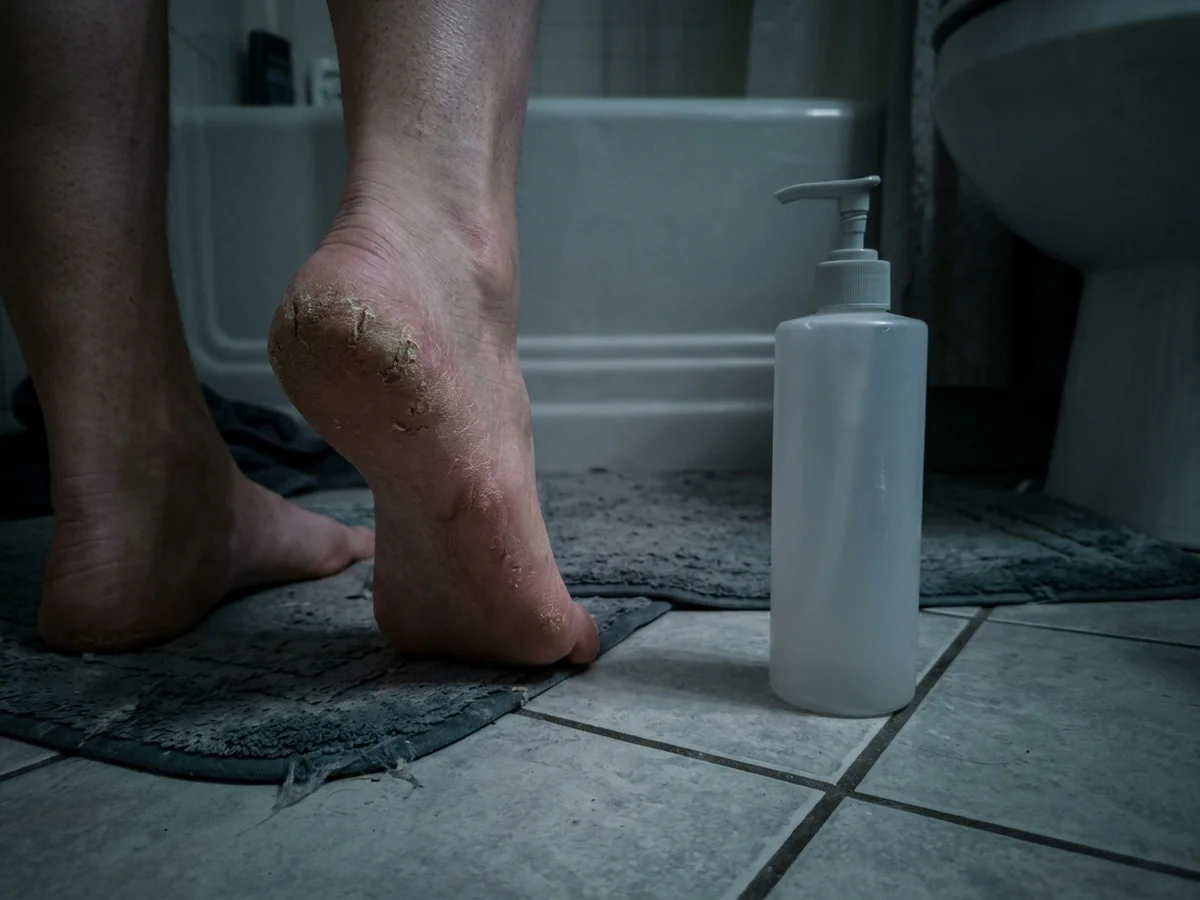
Effective foot care requires more than just applying a generic moisturizer to dry skin. Many people struggle to see results because they treat the symptoms rather than the underlying structural issues of the skin. Common errors include improper callus removal and the use of products that lack the necessary active ingredients to penetrate thick, keratinized tissue.
The Risks of Aggressive Exfoliation
When you encounter rough skin, avoid the urge to over-file calluses. Aggressive removal of skin can inadvertently signal the body to produce thicker, tougher layers as a protective response. This cycle often makes the issue worse over time. Furthermore, using sharp tools at home can lead to accidental nicks, increasing the risk of infection. If you find your heels have persistent, deep fissures, it is safer to prioritize softening agents over mechanical abrasion.
Selecting the Right Ingredients
Generic cosmetic lotions are often insufficient for the thick skin found on the heels. To address severe dryness, you need products containing specific keratolytic agents and humectants. Common guidance suggests seeking products that contain urea at 40 percent concentration, since this ingredient functions effectively as both a keratolytic agent and a humectant. Kerasal Intensive Foot Repair contains a combination of salicylic acid and urea. Another common practice is using products like O’Keeffe’s Healthy Feet, which utilizes allantoin to assist with skin penetration. Choosing the best cream for badly cracked heels involves identifying these specific, high‑performance ingredients rather than relying on standard body lotions.
Optimizing Your Application Routine
Even the most effective product will fail if not applied correctly. Applying foot cream immediately after bathing helps lock in moisture, creating an occlusive barrier that prevents transepidermal water loss. Additionally, wearing cotton socks overnight after applying foot cream can improve absorption by keeping the product in contact with the skin and maintaining consistent warmth. Consistency is vital, as these treatments often require regular use to show significant improvement.
Financial and Professional Considerations
When budgeting for skin health, keep in mind that prices vary significantly based on the formulation. Urea 40 percent cream typically costs between $15 and $30 depending on brand and size, while Kerasal Intensive Foot Repair is typically priced between $9 and $15. If over‑the‑counter methods do not provide relief, or if you have underlying conditions like diabetes, it is important to consult a professional. Podiatry visits for cracked heels are sometimes covered by insurance, though patients may pay copays ranging from $20. Addressing fissures early is the best way to prevent them from deepening into painful, complicated wounds that require clinical intervention.
When To See A Professional

While many individuals successfully manage dry, fissured skin using the best cream for badly cracked heels, certain situations necessitate a clinical evaluation. If you notice signs of infection, such as increased pain, localized warmth, swelling, redness, or bleeding, you should consult a healthcare provider promptly. Deep cracks that refuse to heal or exhibit drainage require expert assessment to prevent the escalation of complications.
The Importance of Diabetic Foot Care
Those managing diabetes must prioritize consistent professional monitoring for their foot health. Diabetic foot care for heels is critical because even minor fissures can lead to serious ulcers or infections that progress rapidly due to underlying nerve damage or poor circulation. Routine exams allow a specialist to identify risks before they become emergency situations, ensuring that minor skin issues do not evolve into systemic health concerns.
Insurance and Professional Treatment
When seeking formal treatment, costs vary based on your specific insurance plan and the nature of the clinical visit. Podiatry visits for these skin conditions are sometimes covered by insurance, though patients may pay copays ranging from $20. It is advisable to contact your insurance provider before an appointment to confirm your coverage details and any requirements for a referral. During your visit, a podiatrist can provide guidance on ingredients for dry cracked feet and may suggest specific formulations tailored to your skin thickness.
Recognizing When Home Remedies Are Insufficient
A professional can help you distinguish between standard moisturizers and those containing active agents meant for heavy-duty repair, such as urea or salicylic acid. Kerasal Intensive Foot Repair contains a combination of salicylic acid and urea, which helps manage tough, calloused skin. Products like O’Keeffe’s Healthy Feet often utilize allantoin to aid in skin penetration. If you are using a podiatrist recommended foot cream, you should still monitor your progress closely.
Seek medical attention if you notice the following indicators that suggest you need more than just a home remedy:
- Chronic or recurring fissures that persist despite regular moisturizing.
- Presence of pus or foul odors emanating from the cracks.
- Severe discomfort that impacts your ability to walk or stand.
- Thick, yellowed, or calloused skin that does not respond to consistent exfoliation.
Always seek medical attention if you notice signs of cellulitis, which can include red streaks spreading from the affected area or a fever. Early intervention remains the most effective way to maintain foot integrity and prevent long-term damage, especially when managing chronic skin conditions or metabolic health issues.
FAQ
What is the best foot cream for cracked heels?
The best products typically combine exfoliating ingredients like salicylic acid with deep moisturizers. Kerasal Intensive Foot Repair is a well-known option that contains a specific combination of salicylic acid and urea to address thick, dry skin. This product is typically priced between 9 and 15 dollars.
How should I apply foot cream for best results?
Applying foot cream immediately after bathing helps lock in moisture, which is essential for healing. You can further improve absorption by wearing clean cotton socks overnight to keep the product in contact with your skin.
Do I need a prescription for high-strength urea cream?
Most high-strength options are available over the counter, though concentrations vary by brand. You can typically find a 40 percent urea cream for between 15 and 30 dollars depending on the size and manufacturer.
When should I see a podiatrist for my feet?
You should consult a professional if your heels are bleeding, showing signs of infection, or failing to improve with regular home care. Podiatry visits for these concerns are sometimes covered by insurance, though patients may pay copays starting around 20 dollars.
Are there specific ingredients I should look for?
Common guidance suggests looking for keratolytic agents like urea at 40 percent concentration, which help break down dead skin cells while acting as a humectant. Other formulas, such as O’Keeffe’s Healthy Feet, often utilize ingredients like allantoin to help with skin penetration.
Conclusion
The most effective path forward is to select a targeted treatment based on the severity of your skin condition. If you are choosing a foot cream for cracked heels, prioritize products containing urea or salicylic acid to help exfoliate and hydrate effectively. Consistent daily application, especially after bathing, remains the primary method for maintaining skin integrity. If fissures persist, bleed, or show signs of infection, consult a medical professional for further evaluation. Podiatry visits are often supported by insurance plans, which may cover these appointments with standard copays starting around 20 dollars.
Sources: ojs.stanford.edu, pubmed.ncbi.nlm.nih.gov, vurj.vanderbilt.edu
You might also like: 10 High Protein Thanksgiving Casseroles Under 550 Calories