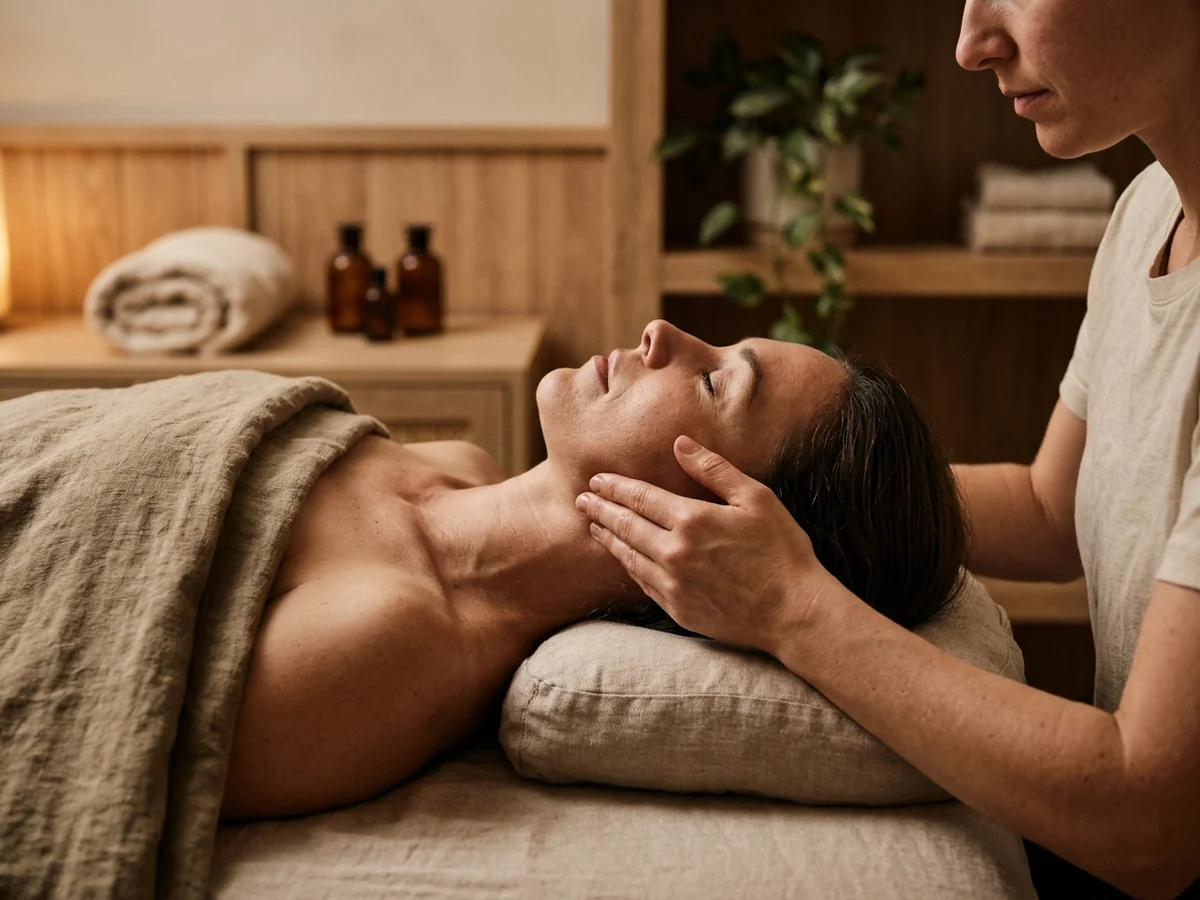
10 Facial Massage Techniques to Try
Introduction
You can effectively manage facial tension and promote relaxation by incorporating specific facial massage techniques into your daily self-care routine. These facial massage techniques offer a non-invasive way to address concerns like muscle tightness and fluid retention when performed with the proper movements and care.
This guide covers essential methods for safely massaging your face at home, including foundational strokes such as effleurage, petrissage, and tapotement. You will learn how to prepare your skin for these movements, the importance of lubrication to protect your skin barrier, and specific applications for releasing tension in the jaw and temple areas. We also explore how to perform lymphatic drainage massage to reduce puffiness and support your overall wellness. By following these clear, step-by-step instructions, you can master the art of at-home facial massage while ensuring your skin remains healthy and protected.
Basic Facial Massage Strokes
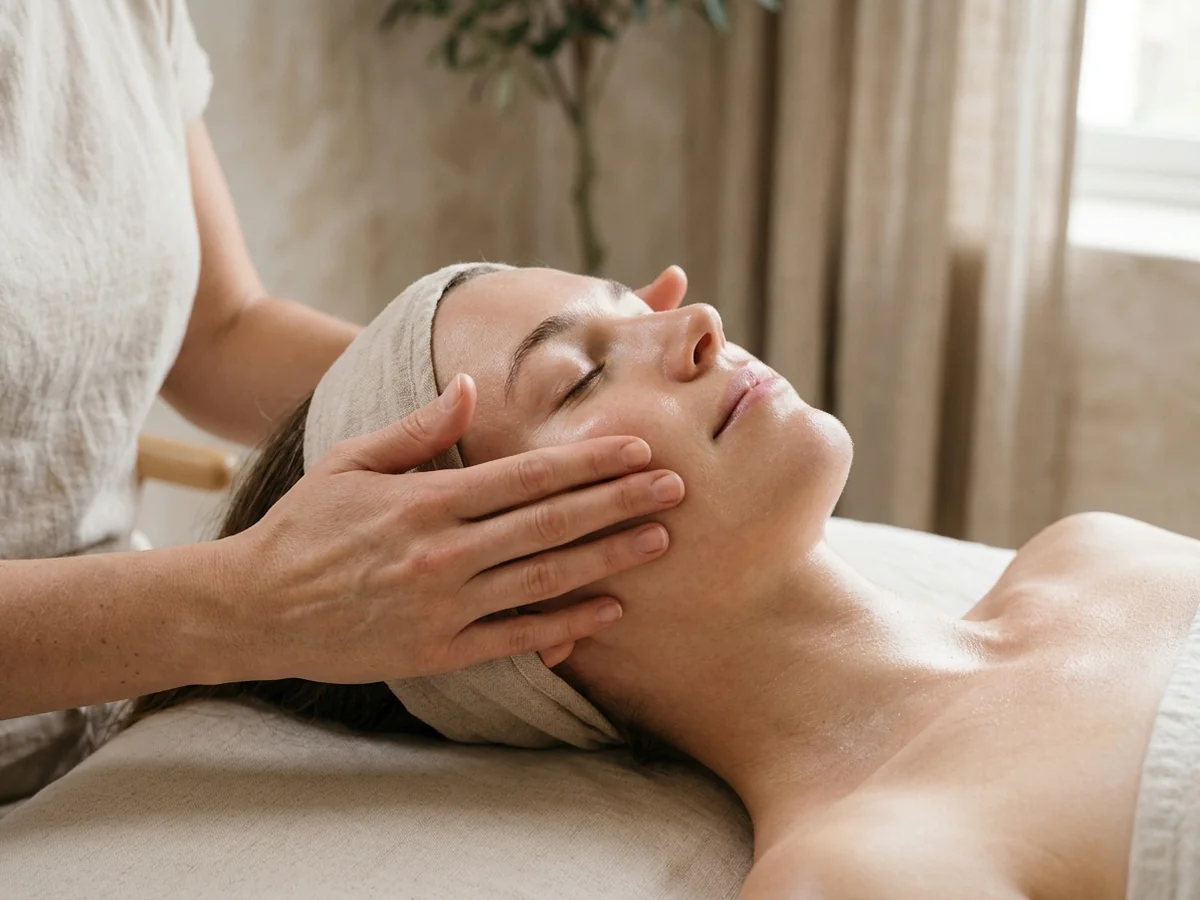
Facial massage serves as a therapeutic practice for skin health and muscle relief, utilizing specific hand motions to improve circulation and reduce tension. Mastering these movements requires a focus on both preparation and execution to ensure the skin remains protected while you work toward your wellness goals.
Proper preparation is essential before you begin. You must perform any routine on clean skin to avoid pushing impurities into your pores. Additionally, applying a facial oil or serum is necessary to ensure your fingers glide smoothly without dragging or stretching the delicate skin barrier.
Several standard hand movements form the foundation of most routines. These varied motions allow you to target different layers of tissue and address specific concerns such as fluid retention or muscle tightness:
- Effleurage commonly involves light, sweeping strokes across the surface of the skin, often used to warm up the tissue.
- Petrissage typically involves kneading and lifting movements designed to target deeper muscle tissue.
- Tapotement is characterized by rhythmic tapping or percussion movements.
- Lymphatic drainage involves sweeping motions toward the lymph nodes to reduce fluid retention.
Applying the correct pressure is just as important as the movement itself. You should tailor your touch based on the area of the face you are treating. For example, use a very light touch around the eyes, while you may use firmer pressure when working to release tension in the jaw and temple areas. This thoughtful approach helps you safely manage facial massage for tension while promoting a comfortable and effective experience.
Core Massage Movements Explained
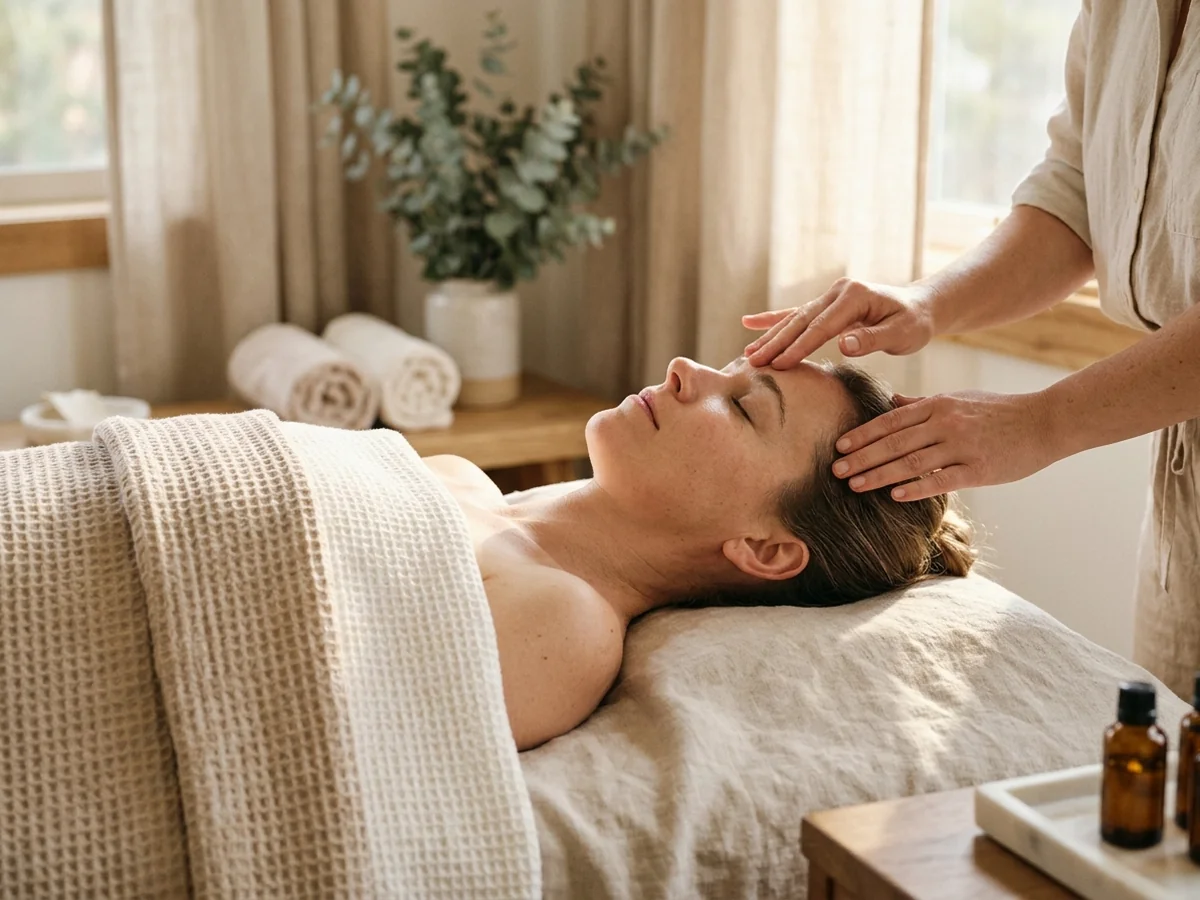
You can achieve distinct results by alternating between light, sweeping strokes and firmer, targeted manipulations. These varied motions work together to ensure your routine is both relaxing and effective, allowing you to address everything from surface application to deeper muscle tension.
- Effleurage commonly involves using light, sweeping strokes across the surface of the skin to evenly spread your facial oil or serum.
- Petrissage is a typical practice that utilizes kneading and lifting movements to work into deeper muscle tissue.
- According to the Academy of Integrated Arts and Massage, tapotement is characterized by rhythmic tapping or percussion movements.
- Using effleurage at the start of your session prepares the skin barrier and ensures your fingers glide smoothly without dragging.
- Incorporating petrissage allows for a more intense focus on areas prone to holding stress, such as the jawline.
- Applying tapotement provides a stimulating finish to your routine, helping to invigorate the skin after slower, calming movements.
Selecting the right motion depends on your specific goal for that part of the face. While broad, sweeping strokes help distribute product and calm the surface, more intensive kneading and percussion movements target localized tension in the jaw and temple areas. By combining these, you create a balanced approach to your self-care practice.
Preparation and Skin Safety
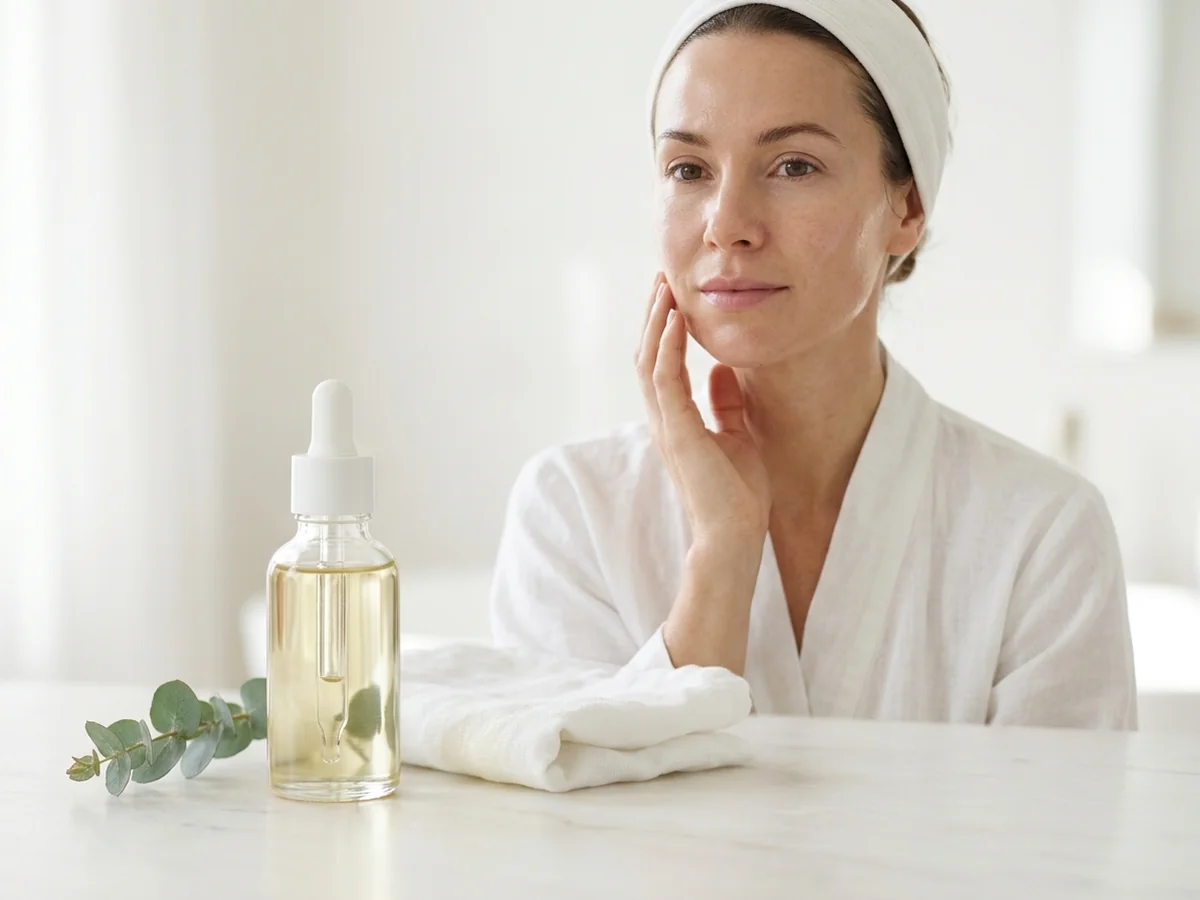
Proper preparation is essential before you begin learning how to do facial massage at home. Facial massage should be performed on clean skin to avoid pushing impurities into pores. If you practice these movements on unwashed skin, you risk driving dirt, bacteria, and debris deep beneath the surface, which often triggers breakouts or irritation.
Ensuring Smooth Glide and Protection
Applying a facial oil or serum is necessary to ensure fingers glide without dragging the skin. Without adequate lubrication, friction can pull at the skin barrier and cause redness. This preparation also supports comfortable movement whether you are practicing light effleurage strokes, kneading petrissage motions, or working on facial massage for tension around the jaw and temples.
Sanitizing Equipment and Tools
If you incorporate reusable implements into your routine, hygiene is critical. Tools such as rollers or gua sha frequently collect oils, dead skin cells, and daily environmental pollutants.
- Wash your tools with warm water and a gentle, fragrance-free soap after every session to prevent bacterial growth.
- Dry each item thoroughly with a clean cloth before storage to avoid moisture contamination.
- Inspect your tools regularly for chips or cracks, as any rough edges can compromise your skin barrier.
Managing Pressure and Skin Sensitivity
When working on different areas of the face, adjusting your pressure protects sensitive zones. Use lighter touch near the delicate under-eye region, while slightly firmer movements suit larger muscle groups like the jawline, where facial massage can be used to release tension in the jaw and temple areas. Always monitor how your skin responds to ensure the routine remains soothing and safe.
Targeting Fluid Retention
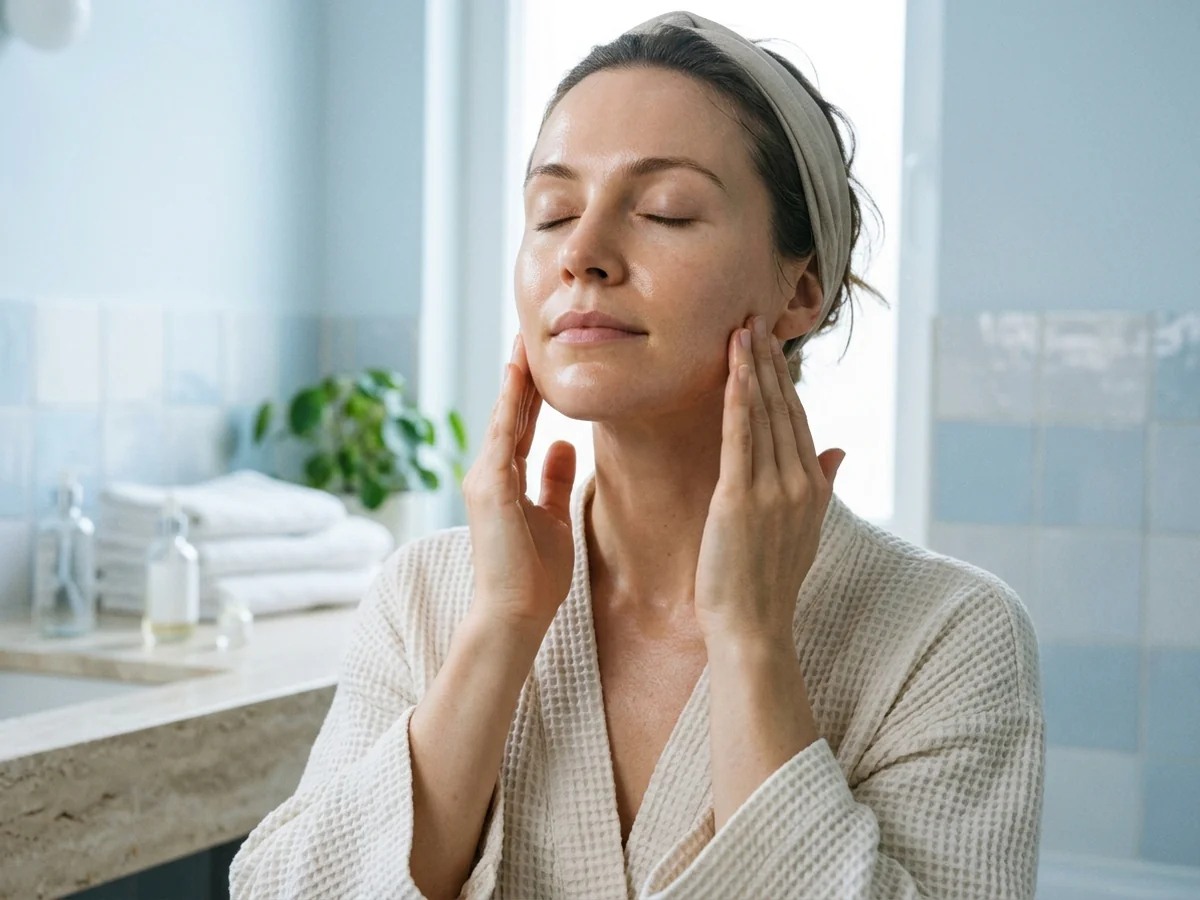
You can reduce puffiness by performing a lymphatic drainage massage face routine, which involves sweeping motions toward the lymph nodes to reduce fluid retention. This process stimulates the lymphatic system, encouraging the natural movement of stagnant fluid away from the tissues and toward the body drainage points.
Preparing for Drainage
Facial massage should be performed on clean skin to avoid pushing impurities into pores. Applying a facial oil or serum is necessary to ensure fingers glide without dragging the skin, protecting the delicate skin barrier while you work.
Step-by-Step Drainage Movements
Maintaining light pressure is essential because the lymphatic vessels reside just beneath the skin surface. Common guidance often points to effleurage as a foundation, utilizing light, sweeping strokes across the surface of the skin. Follow these steps to guide fluid from the center of the face toward the outer edges:
- Start at the center of the forehead and use your fingers to sweep gently toward the temples.
- Move to the bridge of the nose and stroke outward across the cheekbones toward the ears.
- Gently sweep from the corners of the mouth along the jawline toward the area just below your ears.
- Use light pressure to guide fluid down the sides of the neck toward the collarbone to complete the drainage pathway.
- Repeat each motion three to five times to encourage consistent movement of retained fluid.
Safety and Technique Considerations
By maintaining a consistent, outward direction, you help clear the face of temporary swelling while keeping the skin barrier protected. Aside from fluid reduction, facial massage can be used to release tension in the jaw and temple areas, particularly for individuals dealing with TMJ discomfort. If you notice any discomfort, or if your skin is inflamed, stop immediately and allow the area to rest.
Easing Muscle Tension
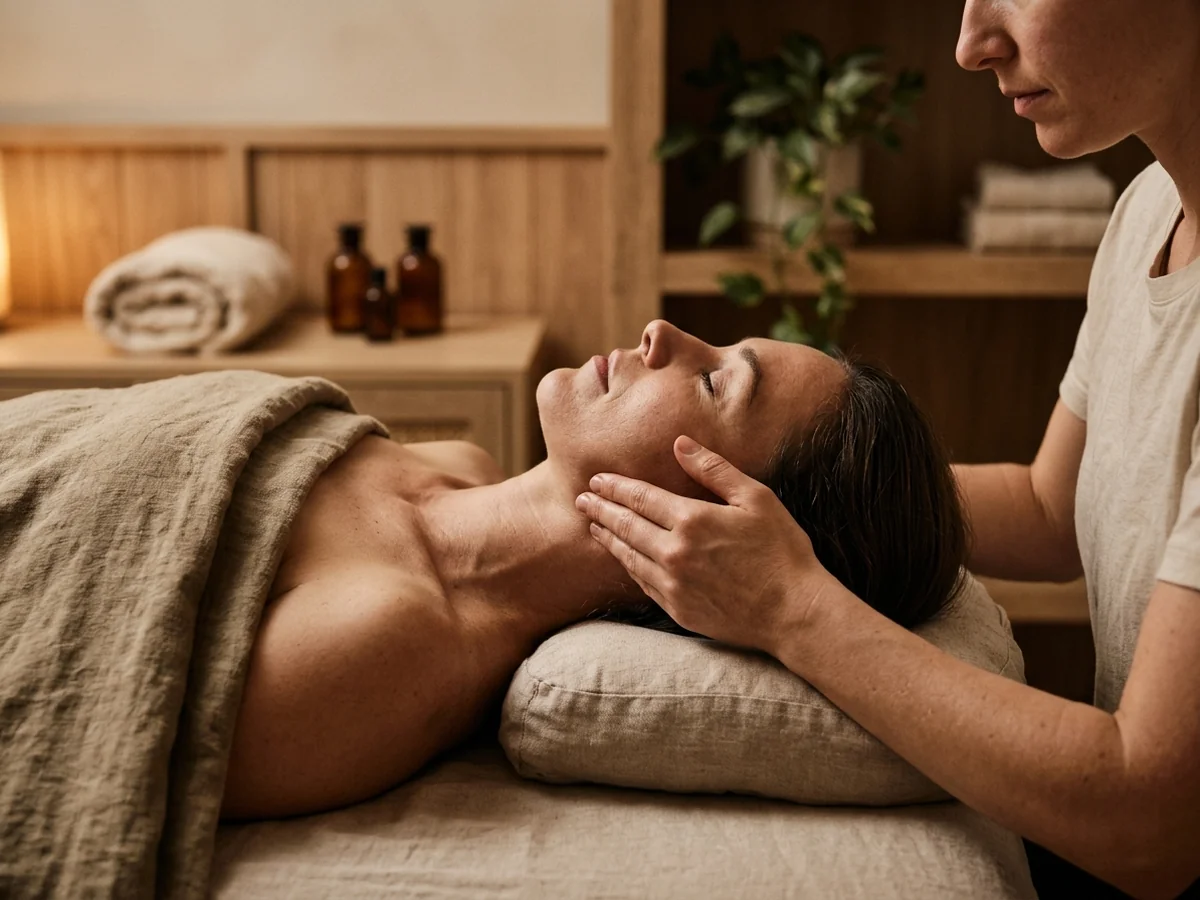
You can effectively use facial massage for tension to release tightness in the jaw and temple areas. According to the Cleveland Clinic, these specific movements help alleviate discomfort associated with TMJ, a condition that often leads to chronic muscle soreness in the face and neck.
Before beginning, ensure your skin is clean and apply a facial oil or serum. This step is necessary to ensure your fingers glide across the surface without dragging or irritating the skin. Start by identifying the masseter muscles, which are the large muscles located at the back of your jaw near the ear. When you clench your teeth, you will feel these muscles tighten.
To address tension in this area, use gentle pressure techniques focused on slow, deliberate movement:
- Place your knuckles or fingertips firmly against the masseter muscles.
- Using small, circular motions, apply steady pressure while slowly opening and closing your mouth.
- Continue these slow, kneading movements for one to two minutes to help the muscle fibers relax.
For the temple area, use light, sweeping strokes rather than deep pressure. Place your index and middle fingers on your temples and move in soft, circular patterns toward your hairline. This motion helps soothe localized tightness often linked to stress or jaw clenching. Always keep movements fluid and rhythmic to avoid over-stimulating the delicate skin. If you experience sharp pain or discomfort, reduce the pressure immediately or stop the session entirely. Consistent, gentle practice is more effective for long-term relief than applying excessive force to sore facial muscles.
Avoiding Facial Massage Mistakes
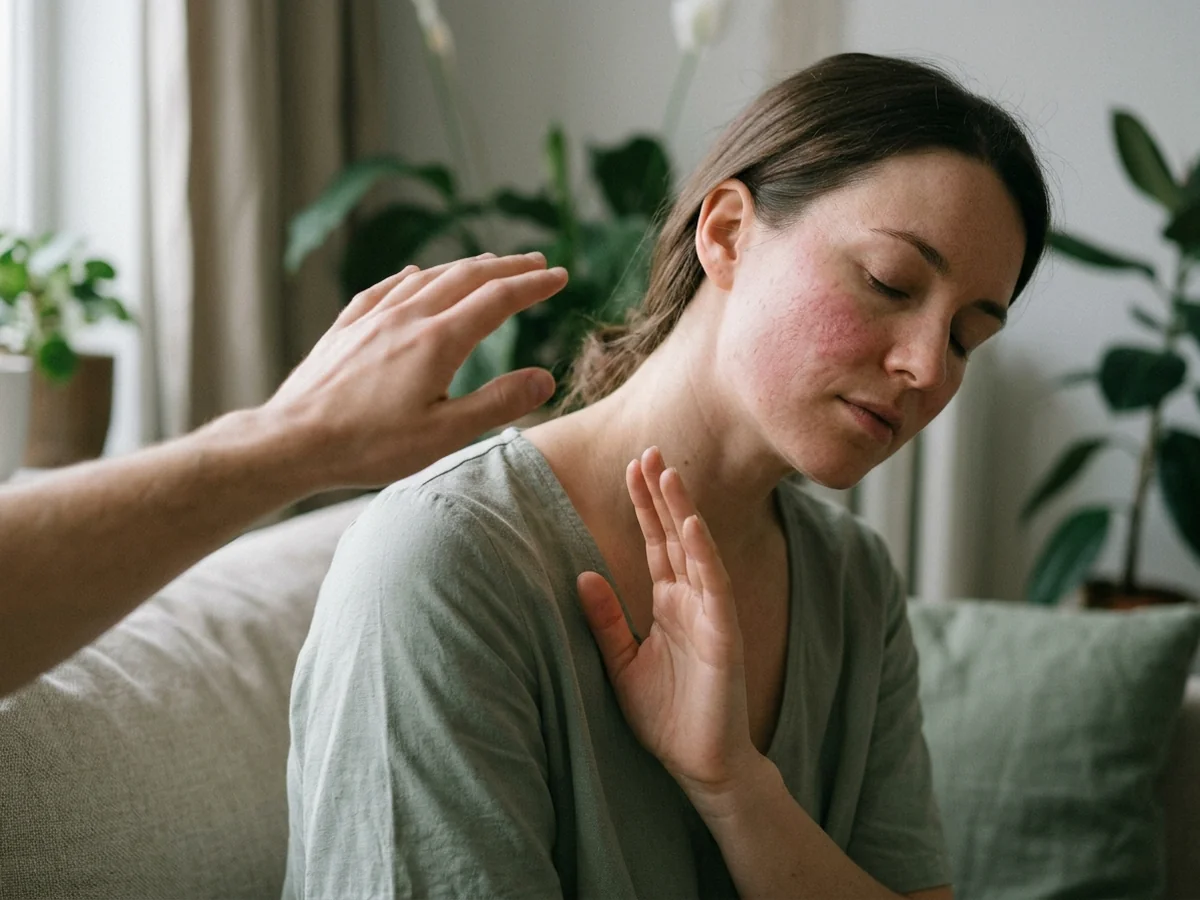
Prevent skin irritation and long term damage by identifying when your complexion is not suited for manual stimulation. Following safety guidelines ensures your self-care routine remains restorative rather than harmful to your skin barrier.
Protecting Sensitive Skin and Delicate Areas
Applying a facial oil or serum is necessary to ensure fingers glide without dragging the skin, which helps preserve the integrity of your moisture barrier and protects the underlying tissue. Because facial massage should be performed on clean skin to avoid pushing impurities into pores, always prioritize a thorough cleanse before starting your session.
Avoid all manual manipulation if you have active acne, rosacea, or visible broken capillaries, as these conditions can worsen with friction. When working near sensitive zones like the under-eye area, favor light sweeping strokes over intense kneading to stay within safe boundaries for your complexion. The skin beneath the eyes is significantly thinner and more prone to bruising or stretching, meaning heavy pressure should be avoided entirely.
Choosing the Right Pressure and Movement
Steer clear of aggressive pulling or tugging motions, opting instead for gentle, controlled movements that respect the elasticity of your skin. According to the Cleveland Clinic, lymphatic drainage massage involves sweeping motions toward the lymph nodes to reduce fluid retention, which relies on a very light touch rather than deep compression.
Different areas of the face require tailored approaches to prevent inflammation. Facial massage can be used to release tension in the jaw and temple areas, particularly for individuals experiencing TMJ discomfort, but this still requires mindful pacing. Maintain a consistent, light touch during your routine to avoid causing micro-tears, and always adapt your technique to match the specific needs of each facial zone.
Professional Facial Massage Benefits
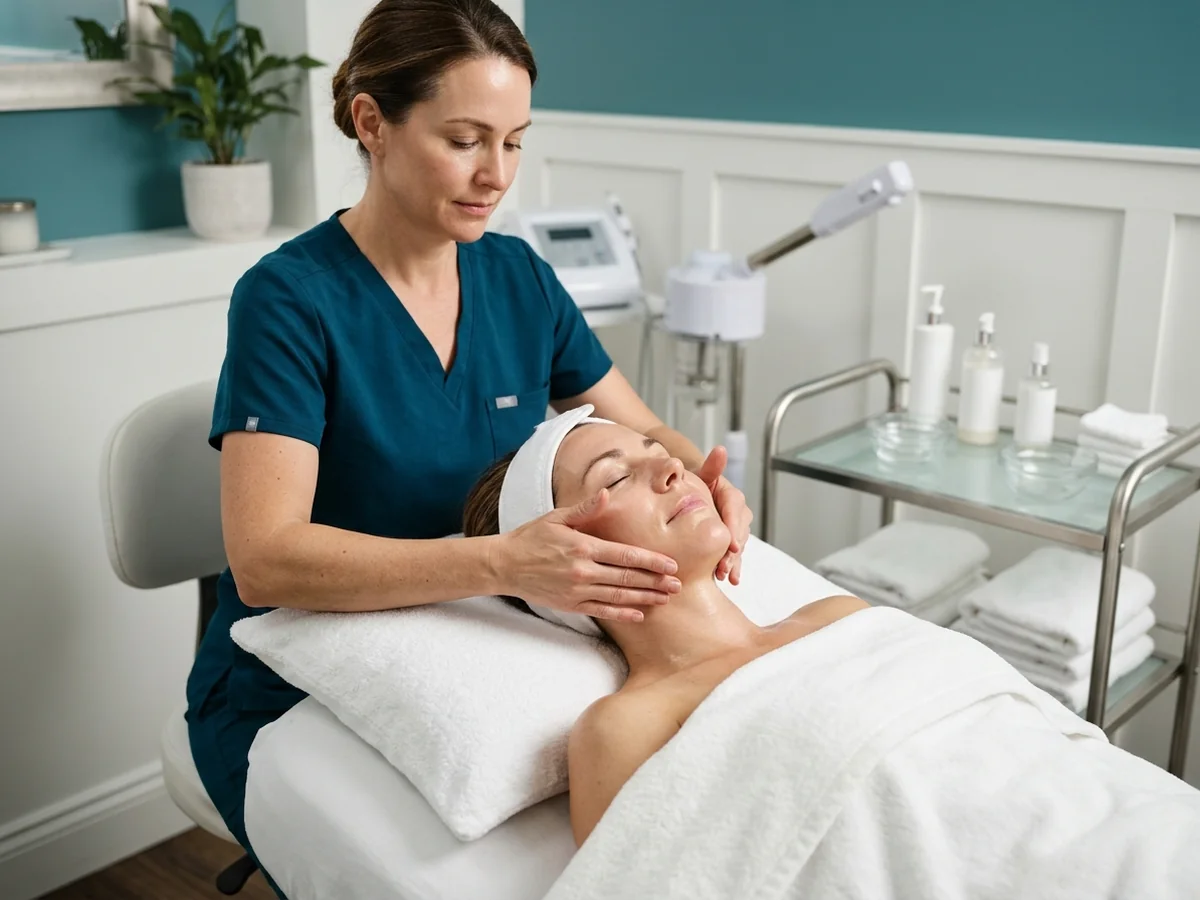
Professional guidance is essential when you have complex skin health issues or persistent conditions like TMJ tension. While many individuals find relief through at-home care, a licensed aesthetician or healthcare provider can offer tailored support that addresses your unique anatomy and specific skin concerns safely.
You must stop any self-massage immediately if you experience pain, inflammation, or skin irritation. These symptoms are clear indicators that the pressure applied is too intense or that your skin barrier is currently compromised. Continuing to manipulate irritated areas can exacerbate underlying issues, making it vital to pause and allow the skin time to recover fully.
If you face chronic skin concerns or recurring discomfort, seek help from a professional. They can provide an accurate assessment of your skin health, ensuring that any facial massage techniques you incorporate into your routine do not worsen existing conditions such as active acne, rosacea, or broken capillaries. A professional evaluation helps you understand your skin’s specific limits and needs.
Consider consulting an expert if you encounter the following situations:
- Lingering jaw pain or restricted movement that suggests significant TMJ issues.
- Unexplained redness or persistent sensitivity after performing massage movements.
- Specific skin conditions that require a modified approach to avoid further inflammation.
- Uncertainty regarding the correct pressure or movement for your skin type.
Expert oversight ensures that your wellness routine remains effective without causing unintended harm. By prioritizing professional consultation for complex issues, you protect your skin’s long-term health while still benefiting from the relaxing and therapeutic aspects of facial care.
Using Facial Massage Tools
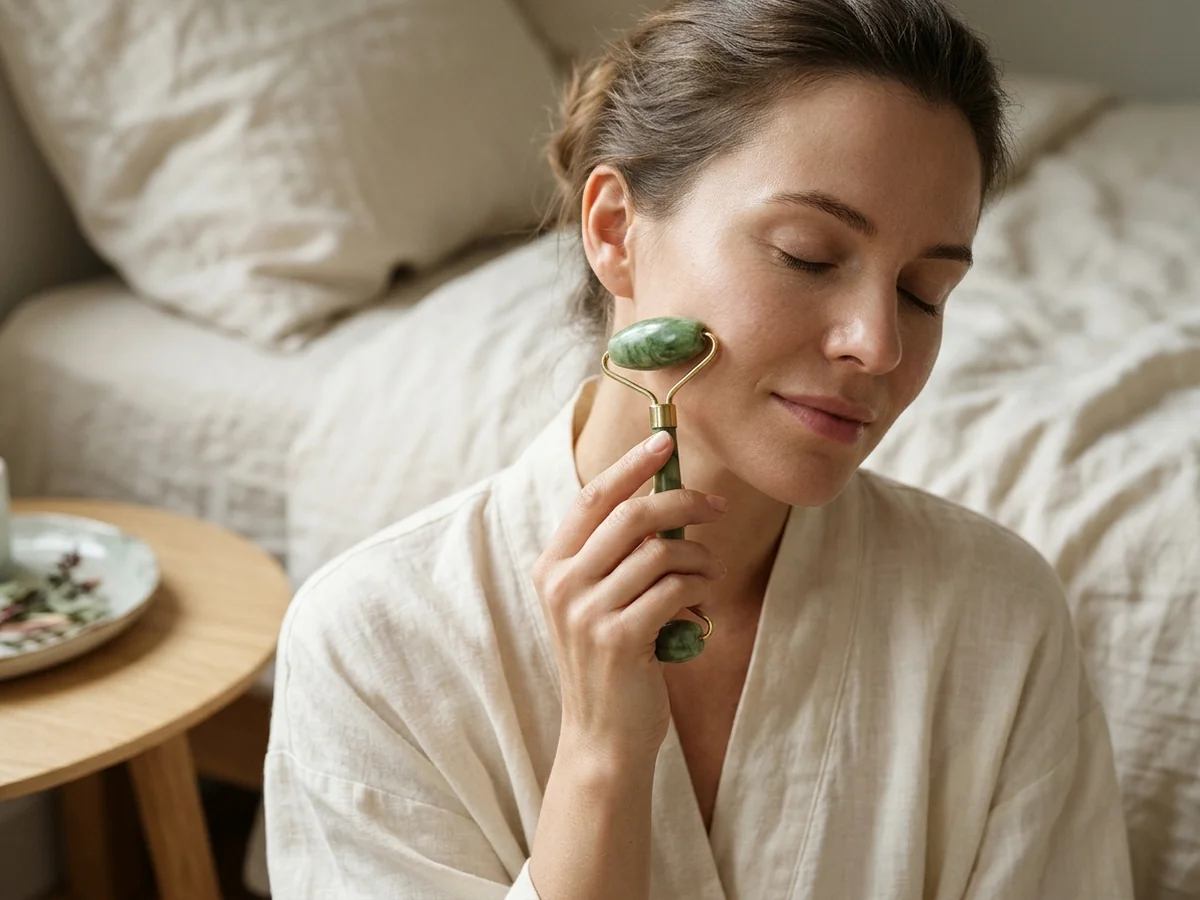
Choosing between manual hand movements and mechanical implements depends on your personal sensitivity and comfort. While using your hands allows for direct sensory feedback regarding pressure and skin tension, accessories like rollers or a gua sha provide different textures that some find soothing. Proper preparation is essential regardless of your method. According to the Cortiva Institute, facial massage should be performed on clean skin to avoid pushing impurities into pores, and applying a facial oil or serum is necessary to ensure fingers or tools glide without dragging the skin.
| Feature | Hand Massage | Tools (Rollers/Gua Sha) |
|---|---|---|
| Customization | High | Limited |
| Skin Feedback | Immediate | Reduced |
| Maintenance | None (Wash hands) | Requires sanitizing |
Core Techniques and Movement
Understanding the standard movements helps when learning how to do facial massage at home. Common guidance suggests that effleurage involves light, sweeping strokes across the surface of the skin, while petrissage involves kneading and lifting movements to target deeper muscle tissue. Additionally, the American Institute of Alternative Medicine notes that tapotement is characterized by rhythmic tapping or percussion movements. For those targeting fluid retention, lymphatic drainage massage involves sweeping motions toward the lymph nodes to reduce puffiness.
Safety and Best Practices
If you are a beginner, clean hands remain the safest option because your fingers naturally adapt to facial contours. This makes it easier to control pressure and avoid tugging delicate areas, such as the skin around the eyes. If you choose to incorporate the best facial massage tools, ensure they are cleaned after every use to prevent bacterial buildup. When addressing physical tightness, such as in the jaw or temple areas, keep the pressure gentle. If you experience discomfort or have broken capillaries, adjust your technique or pause your practice to allow your skin barrier to recover.
FAQ
What are the fundamental facial massage movements?
Common practice includes effleurage, which uses light and sweeping strokes across the skin surface, and petrissage, which relies on kneading and lifting movements to reach deeper tissue. Additionally, tapotement is a technique characterized by rhythmic tapping or percussion movements.
How do I perform lymphatic drainage massage on my face?
Lymphatic drainage massage involves using gentle sweeping motions directed toward the lymph nodes to help reduce fluid retention. It is important to maintain light pressure during this process to effectively encourage fluid movement without irritating the skin.
Can I perform facial massage at home safely?
You can certainly perform facial massage on yourself, provided you follow proper preparation steps like starting with clean skin to avoid pushing impurities into your pores. Always apply a facial oil or serum before you begin to ensure your fingers glide smoothly without dragging or damaging the skin barrier.
Are there effective facial massage techniques for TMJ tension?
Facial massage can be used to release tension in the jaw and temple areas, which are common sites for discomfort related to TMJ. Focus on slow, circular movements around the joint to help soothe tight muscles.
Should I avoid facial massage if I have skin concerns?
It is generally advised to avoid massage if you have active acne, rosacea, or broken capillaries to prevent further irritation or inflammation. If you are unsure about your skin condition, consult a professional to determine if these techniques are appropriate for your specific needs.
Conclusion
The best way to begin is by cleaning your skin thoroughly and applying a high-quality facial oil or serum to ensure smooth movement. Once your surface is prepared, you can safely experiment with various facial massage techniques to address tension or puffiness in your daily routine. Start with light pressure until you become familiar with how your skin responds to different motions. If you have any concerns regarding active skin conditions or inflammation, consulting a professional is the smartest next step to ensure you practice these movements safely.
Sources: aiam.edu, cortiva.edu, my.clevelandclinic.org, health.clevelandclinic.org
You might also like: 10 High Protein Thanksgiving Casseroles Under 550 Calories