
10 Tips for Using a TENS Unit
Introduction
Effective pain management starts with knowing how to operate your device properly, and these tens unit tips help ensure you get the best results from your therapy. By following evidence-based practices, you can maximize the relief provided by transcutaneous electrical nerve stimulation while keeping your skin and equipment in good condition.
This article provides essential guidance on how to use a TENS unit for back pain and other discomforts. You will learn about the importance of movement during sessions, as TENS is considered less effective for pain relief when the user is sedentary. We also cover standard session durations, starting with 30 to 60 minutes, and provide advice on mitigating common issues like skin irritation. Whether you are new to the device or looking to refine your current routine, this information serves as a practical resource for safe and consistent home use.
How TENS Units Work
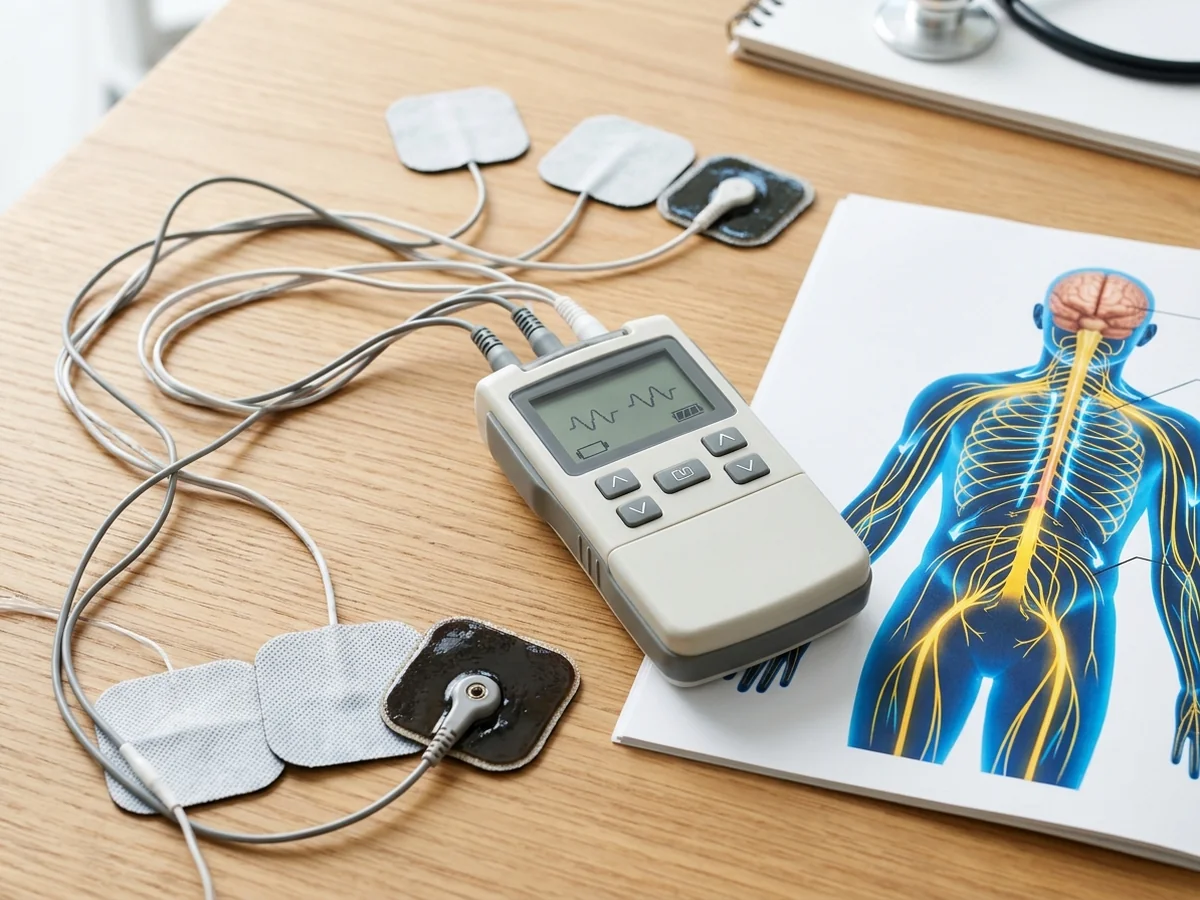
Transcutaneous electrical nerve stimulation, commonly known as TENS, is a method of pain management that uses low-voltage electrical currents to target nerve pathways. By delivering these pulses through electrodes placed on the skin, the device may help modify how the body perceives pain signals.
For maximum effectiveness, TENS units are generally recommended to be used for at least 30 minutes while the user is active. In contrast, transcutaneous electrical nerve stimulation is considered less effective for pain relief when the user is sedentary, or sitting still. Integrating the device into your routine while moving can significantly influence its overall performance.
Because every user responds differently, it is important to follow specific guidance to ensure your sessions remain both safe and effective. According to the Cambridge University Hospitals NHS Foundation Trust, you should begin using a TENS unit with short sessions of 30 to 60 minutes. Adhering to these timeframes helps you monitor how your skin and nerves react to the electrical pulses.
Applying helpful TENS unit tips is essential for maintaining your comfort throughout the process. Consider these factors to improve your experience:
- Proper skin preparation helps the electrodes adhere securely and maintains good contact for the electrical current.
- Common guidance suggests that individuals with nickel allergies or a sensitivity to adhesives should monitor their skin closely, as these materials may cause irritation or dermatitis.
- Starting with lower intensity levels allows you to find a comfortable therapeutic window before gradually increasing the strength of the stimulation.
By focusing on these practical aspects, you can better manage your sessions at home. Consistent and thoughtful use remains the most reliable way to achieve the intended outcomes of this therapy.
Understanding TENS Therapy Basics
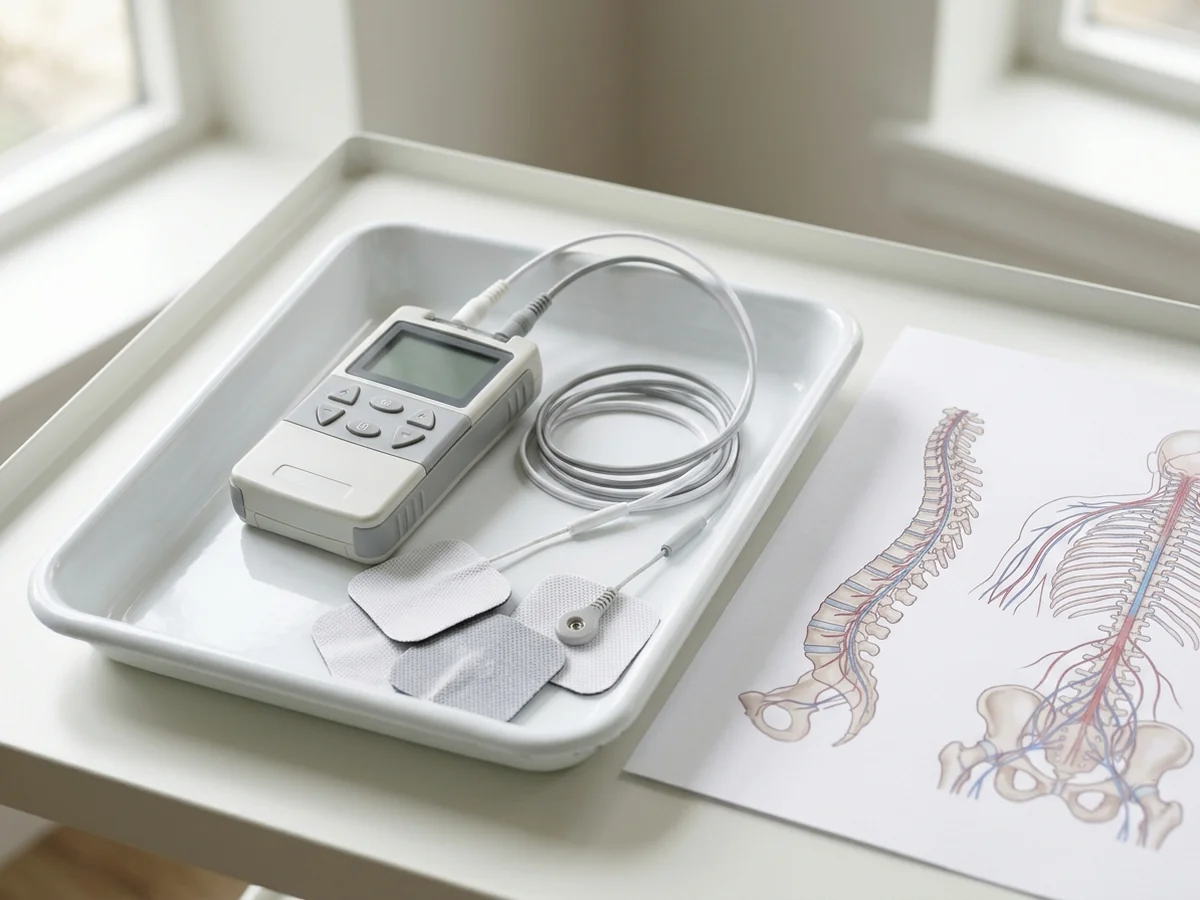
Transcutaneous electrical nerve stimulation works primarily by applying the gate control theory to modulate how the brain processes discomfort. By delivering mild electrical impulses through the skin, the device intercepts pain signals before they reach the central nervous system.
The gate control theory suggests that non-painful sensory input can effectively close the metaphorical gate to pain transmission. When you activate your device, the electrical pulses stimulate sensory nerve fibers rather than pain fibers. This activity essentially crowds out the pain signals, preventing them from traveling up the spinal cord to the brain, which leads to a reduction in the sensation of pain.
Finding the correct intensity level is one of the most important tens unit tips for effective relief. You should aim to reach a therapeutic window where you feel a strong but comfortable tingling or buzzing sensation. This sensation should be clear and distinct, yet it must remain below the threshold that causes involuntary muscle twitching or contraction.
If you experience muscle twitching, the intensity is likely set too high for the intended sensory-level stimulation. Simply decrease the output until the sensation remains localized and smooth. Consistent, gentle stimulation is the goal, as excessive intensity often triggers unwanted muscle activity that can lead to fatigue or irritation rather than the desired relief.
According to the University of Iowa Hospitals and Clinics, transcutaneous electrical nerve stimulation is less effective when you are sedentary, such as sitting still. Instead, you should use the device for at least 30 minutes while remaining active to achieve maximum effectiveness. Cambridge University Hospitals NHS Foundation Trust further notes that you should begin your sessions within a range of 30 to 60 minutes to gauge how your body responds to the electrical input.
Proper Electrode Placement Techniques
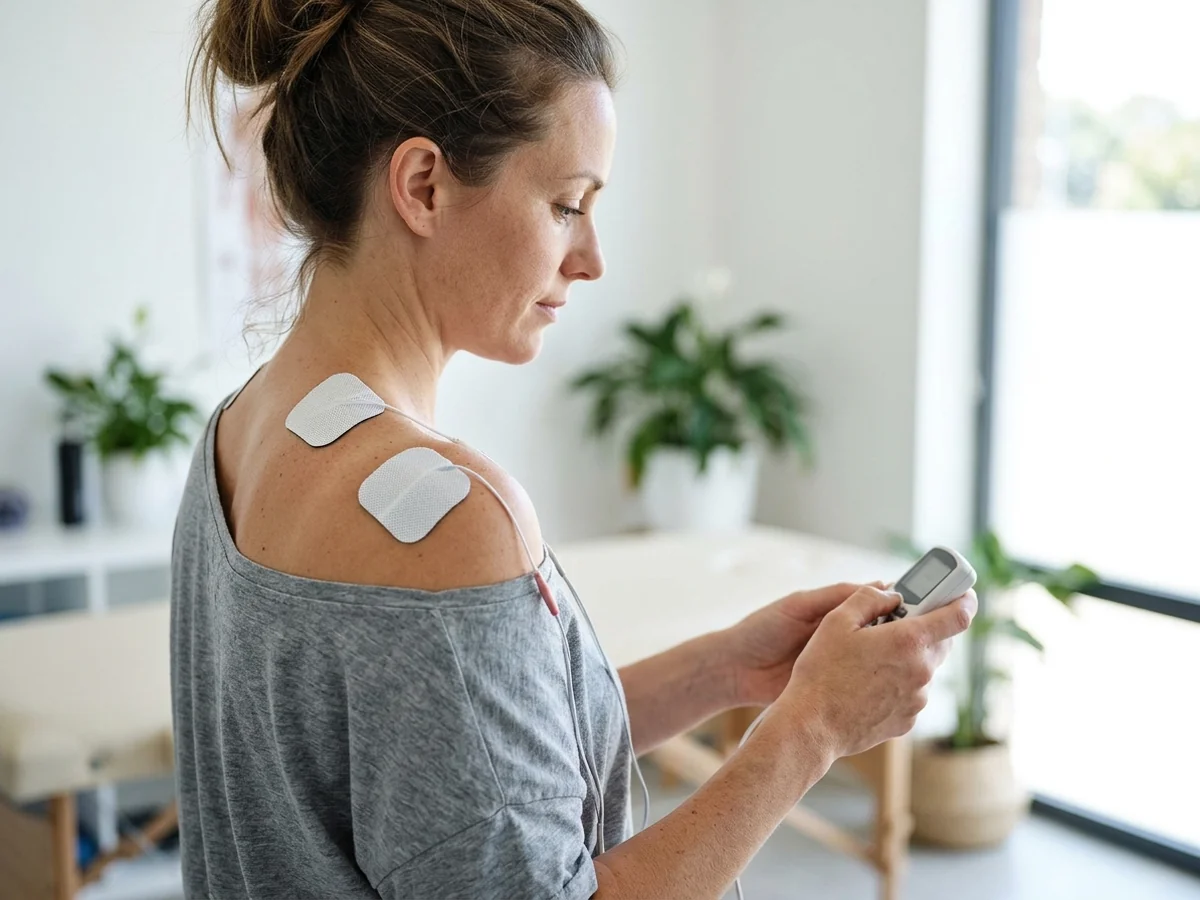
Effective pain management relies on surrounding the affected area with electrodes while maintaining skin integrity and proper hygiene. Following a reliable TENS unit electrode placement guide helps ensure the electrical signals target the intended nerve pathways without causing unnecessary discomfort or skin trauma.
- Place electrodes on clean, dry, and healthy skin to ensure optimal conductivity and prevent premature loss of adhesion.
- Surround the painful site by positioning the electrodes on either side of the discomfort rather than directly over the center of the sensation.
- Avoid placing pads directly over joints where movement can cause them to peel off or over areas of broken, irritated, or inflamed skin.
- Clean the application site with mild soap and water before each use to remove natural oils or lotions that interfere with electrical transmission.
- Consider that individuals with specific sensitivities, such as nickel allergies or general reactions to adhesives, may experience skin irritation during or after therapy.
- Check the integrity of the hydrogel surface regularly, as dry or worn pads can lead to uneven current distribution and potential skin stinging.
Proper skin preparation for TENS electrodes is essential for both safety and effectiveness. Ensuring the skin is free of debris or heavy moisturizers allows the current to flow consistently through the tissue. If you find the pads are losing their stickiness, gently cleaning them with a drop of water can sometimes restore their tackiness, though they should be replaced once the gel is no longer uniform. Always prioritize comfort and stop if you notice signs of skin redness or itching, as these may indicate a reaction to the materials used in the pads.
Optimizing Session Duration and Movement

You will achieve the best results by staying active during your therapy sessions rather than remaining stationary. According to the University of Iowa Hospitals and Clinics, transcutaneous electrical nerve stimulation is considered less effective for pain relief when the user is sedentary. Sitting still limits the therapeutic benefit that movement provides alongside the electrical pulses.
For maximum effectiveness, you should use your device for at least 30 minutes while remaining mobile. Integrating the machine into your daily routine during light activity helps maintain the stimulation across affected nerve pathways. This approach is often more productive than passive use, as it encourages functional movement while managing discomfort.
If you are new to this type of therapy, it is important to start with shorter sessions. Cambridge University Hospitals NHS Foundation Trust recommends beginning with sessions lasting between 30 and 60 minutes. This allows your body to acclimate to the sensation of the electrical pulses without overstimulating the area.
Keep these points in mind when scheduling your treatment:
- Prioritize using your device while walking or performing light household tasks to enhance pain relief.
- Avoid using the unit while sedentary, as this significantly reduces its overall efficacy.
- Adhere to the initial 30 to 60 minute session window to ensure safety and comfort during your early experiences.
By focusing on movement and respecting recommended session lengths, you can better manage your pain levels throughout the day. Consistent and active application is a cornerstone of effective use, ensuring your device supports your mobility rather than restricting it to a chair or sofa. Always monitor how your skin reacts to the electrodes during these timed sessions to prevent irritation or sensitivity.
Navigating Modes and Pulse Settings
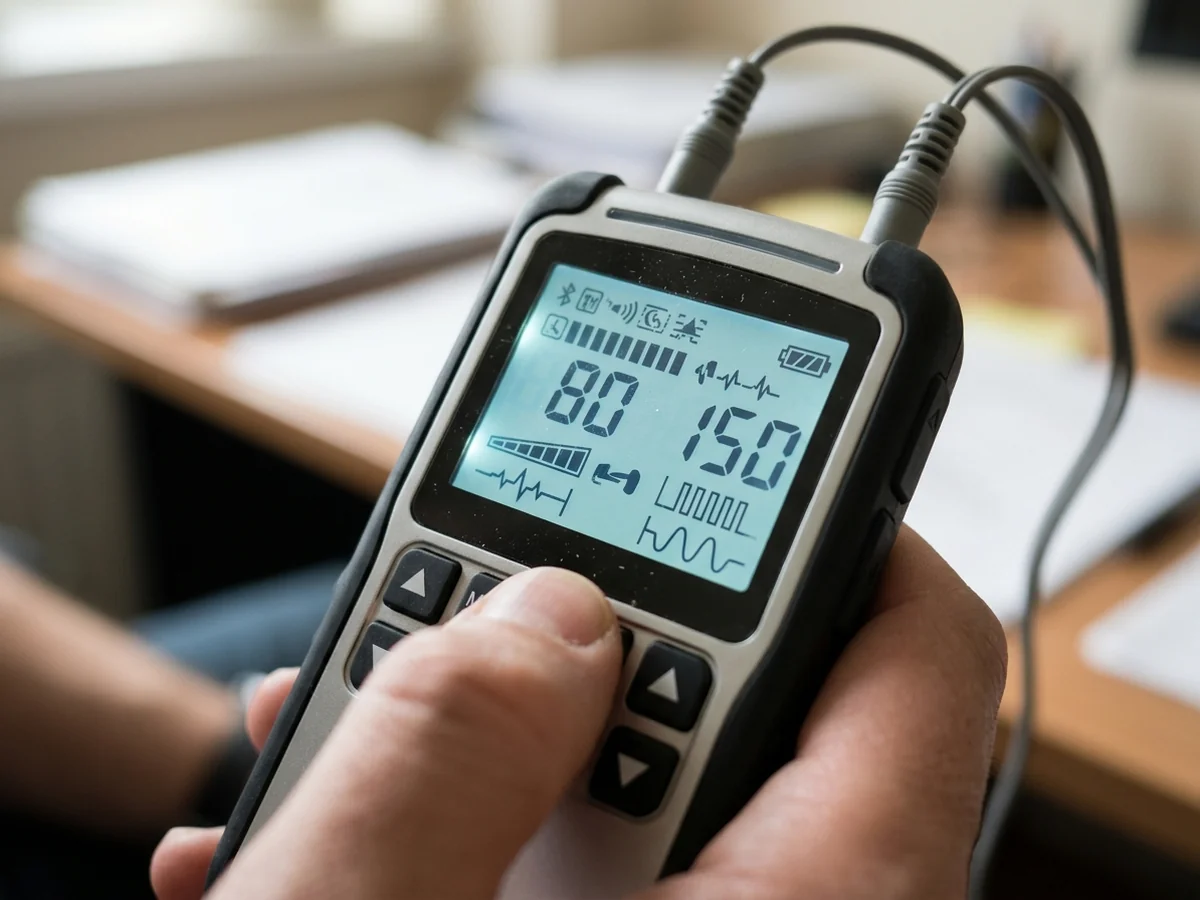
You influence the effectiveness of your therapy by adjusting pulse width and frequency, which directly changes how the stimulation feels on your skin. These parameters determine how the electrical impulses interact with your nerve pathways to manage pain signals.
Frequency controls how many pulses occur per second. A higher frequency often creates a steady, buzzing sensation, while a lower frequency produces more of a tapping or pulsing feeling. Experimenting with these variables helps you find the setting that provides the most comfort for your specific type of discomfort.
Pulse width dictates the duration of each individual electrical pulse. Widening the pulse width typically results in a deeper, more robust sensation. When you review TENS unit modes and settings explained in your device manual, focus on how these adjustments alter the character of the stimulation rather than just the strength of the current.
Intensity management is critical to avoid muscle fatigue or unnecessary discomfort. You should increase the strength only until you feel a comfortable, strong tingling sensation without any painful muscle contractions. If you notice your muscles jumping or twitching, the intensity is set too high and should be dialed back immediately.
Maintaining the right balance is essential for long-term comfort. TENS units are generally recommended to be used for at least 30 minutes while the user is active for maximum effectiveness, as the therapy is considered less effective when the user is sedentary. Because it is best to begin using a TENS unit with short sessions of 30 to 60 minutes, you can gauge how your body responds to different settings before attempting longer durations. If you find your muscles becoming tired or sore, reduce the intensity or take a break to let the area recover.
Essential TENS Unit Safety Precautions
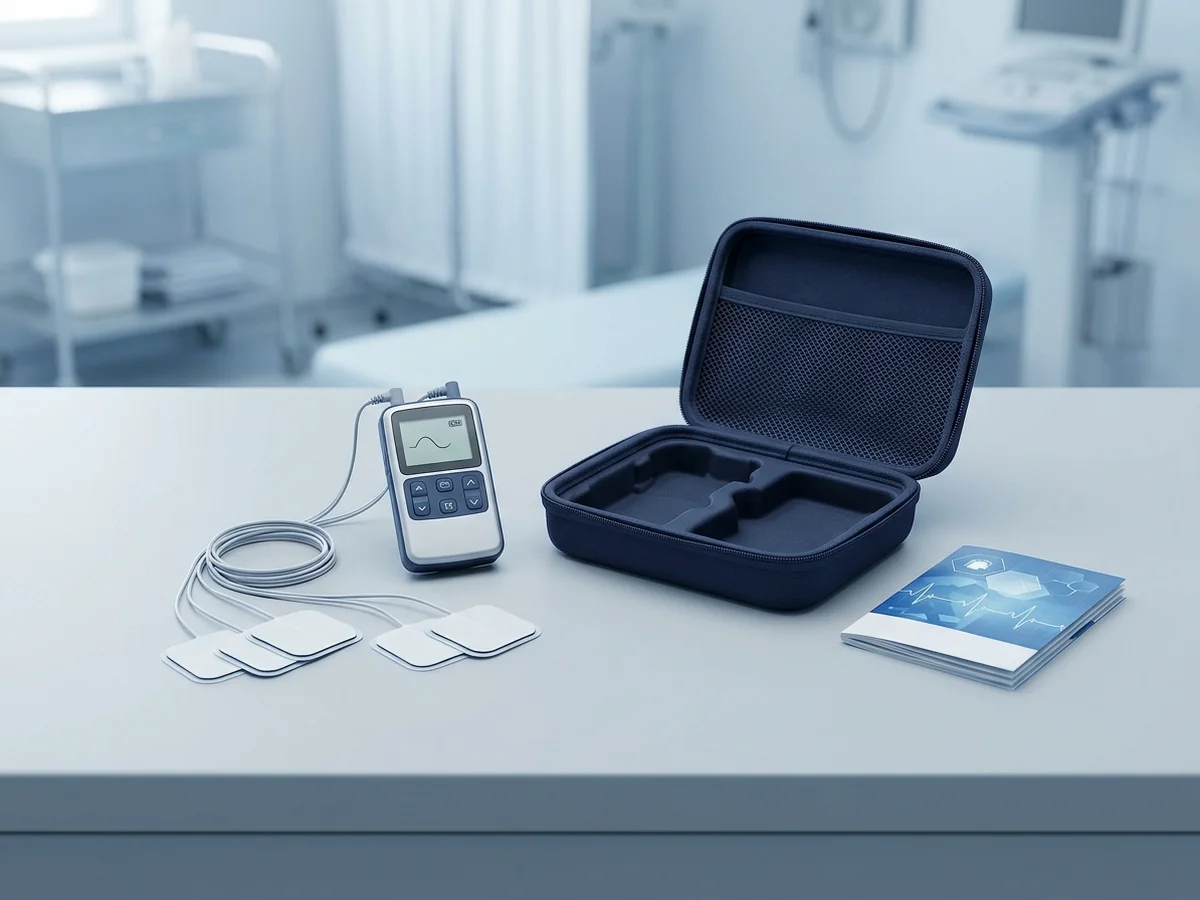
Operating a transcutaneous electrical nerve stimulation device requires strict adherence to guidelines to prevent skin irritation, accidental injury, or the spread of bacteria. Proper TENS unit safety precautions focus on situational awareness, individual equipment use, and identifying potential material sensitivities before starting your session.
Following these helpful tips will ensure you manage your therapy sessions effectively:
- Never use your device while sleeping, as the unit could be accidentally adjusted or displaced during the night.
- Avoid using the device while driving or operating heavy machinery to ensure your focus remains entirely on your surroundings.
- Do not share your unit or electrodes with other people to prevent cross contamination and the spread of skin infections.
- Monitor your skin closely if you have a known nickel allergy or sensitivity to adhesives, as these factors may trigger irritation.
- Keep your device and leads in good condition, replacing any damaged components immediately to maintain safe operation.
Transcutaneous electrical nerve stimulation is generally recommended to be used for at least 30 minutes while the user is active for maximum effectiveness. Conversely, the device is considered less effective for pain relief when the user is sedentary, such as when sitting still. It is advisable to begin using a unit with short sessions of 30 to 60 minutes to gauge your body’s response. If you notice persistent redness or itching, discontinue use and consult a professional regarding your sensitivity to the materials.
Maintenance and Electrode Care
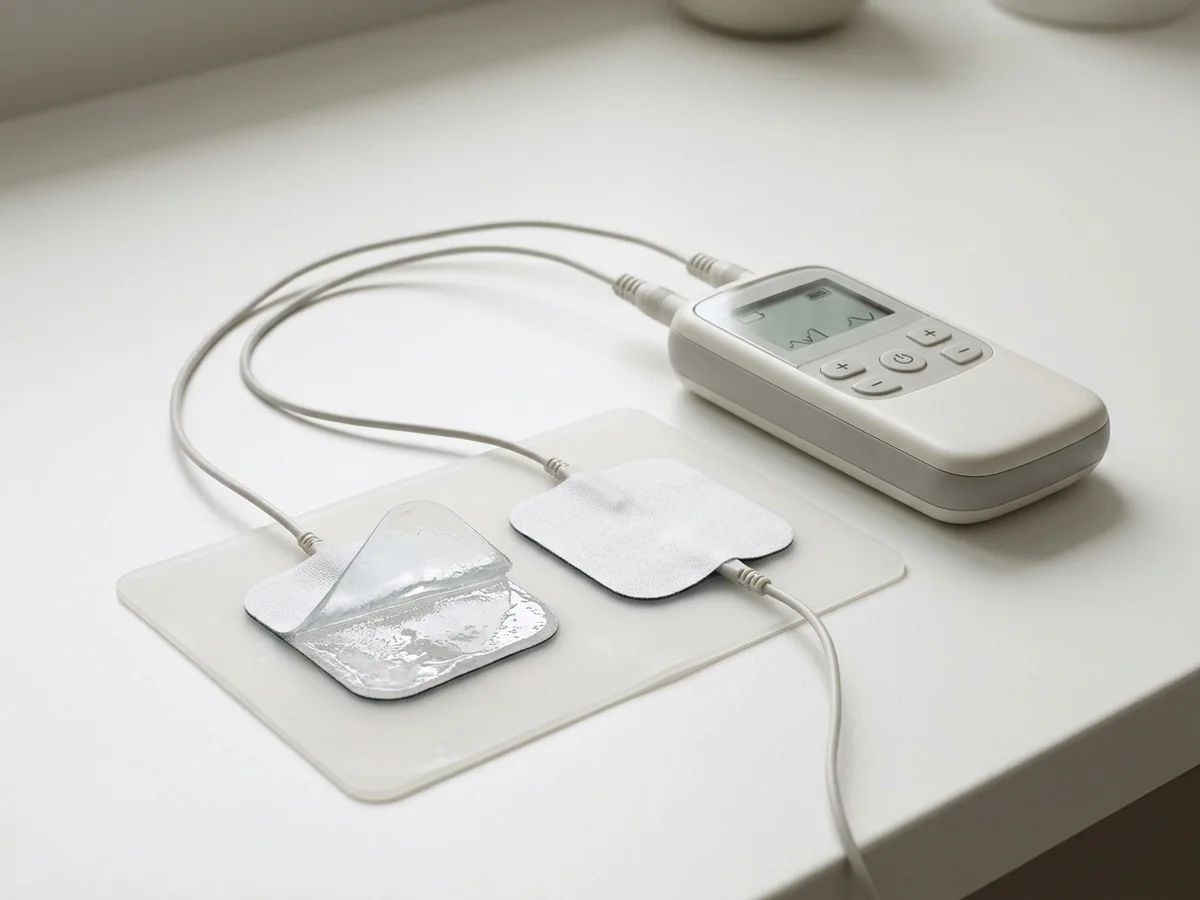
Proper upkeep of your device and accessories ensures consistent performance and longevity for your equipment. Taking a few moments to clean and store your components correctly prevents premature wear and maintains the effectiveness of your therapy sessions.
- Gently wipe the hydrogel surface with a damp, lint free cloth to remove skin oils and debris, allowing the pads to air dry completely before returning them to their protective film.
- Replace your electropads immediately if they lose their adhesive quality, show signs of drying out, or if the conductive gel begins to crack or peel away from the backing.
- Avoid pulling on the wires when disconnecting them from the device or the pads, as this puts unnecessary strain on the connection points and can lead to internal wire damage.
- Store your unit and all lead wires in a cool, dry environment, ensuring the cables are coiled loosely to prevent internal fraying or permanent kinks that disrupt signal transmission.
- Keep your accessories in their original sealed packaging or a designated storage container to protect the conductive surface from dust and environmental contaminants between uses.
Consistent care routines help you avoid the frustration of poor connectivity or intermittent stimulation during use. While adhesive quality naturally diminishes over time through repeated application, following these steps helps you get the most use out of each set. If you notice persistent skin irritation, it may be helpful to consult with a professional, as some individuals experience sensitivity to the adhesives used on the hydrogel surface. Always inspect the lead wires for exposed metal or fraying before each session to ensure a safe electrical connection. By managing your equipment with care, you protect both the functionality of the device and the quality of your therapy experience.
FAQ
How long should I use a TENS unit each session?
You should begin using a TENS unit with short sessions lasting between 30 and 60 minutes. This approach allows you to gauge your skin’s reaction and your comfort level with the stimulation intensity before increasing the duration.
Is it better to use a TENS unit while sitting or moving?
TENS units are most effective when the user is active, as the therapy is considered less effective for pain relief when the user is sedentary. You should aim to use the device for at least 30 minutes while performing your daily movements to maximize the therapeutic benefits.
Why is my skin irritated after using the electrodes?
Skin irritation is often caused by a sensitivity to the hydrogel or the adhesive materials used on the electropads. It is common practice for people with nickel allergies or general adhesive sensitivities to experience this type of contact dermatitis during or after use.
Should I wear my TENS unit while sleeping?
You should avoid wearing your TENS unit to bed to prevent skin breakdown and potential burns from prolonged electrode contact. Sleeping while the device is active also increases the risk of the wires becoming tangled or the intensity being adjusted unintentionally during movement.
What is the best way to maintain my electrodes?
Proper maintenance of your electrodes involves keeping the adhesive surfaces free of lint, hair, and skin oils to ensure they maintain their stickiness. You should store the electrodes on their provided plastic backing after every use and replace them as soon as they no longer adhere firmly to your skin.
Conclusion
The primary decision point for effective therapy involves balancing your activity levels with session duration. TENS units are generally recommended to be used for at least 30 minutes while the user is active for maximum effectiveness, as the device is considered less successful for pain relief when you are sedentary. You should begin your routine with short sessions of 30 to 60 minutes to monitor how your body responds to the stimulation. If you experience persistent skin irritation, consult a healthcare provider to ensure these tens unit tips align with your specific medical needs. Maintaining consistent electrode hygiene and following recommended activity guidelines will help you achieve the best possible results during your treatment.
Sources: healthcare.uiowa.edu, cuh.nhs.uk
You might also like: 10 High Protein Thanksgiving Casseroles Under 550 Calories