10 Best Back Massager Options Reviewed
Introduction
Choosing the best back massager requires balancing your specific relief needs with essential safety features and mechanical performance. Finding the best back massager for your routine involves understanding how different technologies, such as percussive motion or shiatsu nodes, interact with muscle tissue to improve your comfort.
This article provides an objective overview of various massage devices to help you make an informed decision for your home wellness setup. We cover the core differences between handheld units and stationary cushions, explain the benefits of heat therapy for chronic discomfort, and detail critical safety protocols. You will learn how to evaluate motor types, power sources, and ergonomic designs to ensure you select equipment that provides reliable, long-term support for your back health. We also address important medical considerations and maintenance tips to keep your device functioning safely over time.
Understanding the Benefits and Scope of Massage Therapy
Massage therapy serves as a proven method to reduce muscle tension and improve range of motion. By targeting specific muscle groups, these techniques help the body recover from the stresses of daily activity. Deep tissue massage, in particular, can increase local blood circulation in muscles, which supports the body’s natural recovery processes.
When considering tools for home use, it is helpful to distinguish between professional care and the use of consumer devices. Professional massage therapy provides a tailored approach that addresses individual health history and specific physical needs through human touch. In contrast, home-based equipment offers a convenient, accessible way to manage muscle discomfort between appointments. While these devices can provide relief, they do not replace the comprehensive assessment a professional therapist provides.
There are several distinct categories of home-use tools available for muscle care:
- Shiatsu massage devices, which use rhythmic pressure to stimulate energy points in the body.
- Percussive therapy devices, which operate by delivering rapid bursts of pressure to muscle tissue.
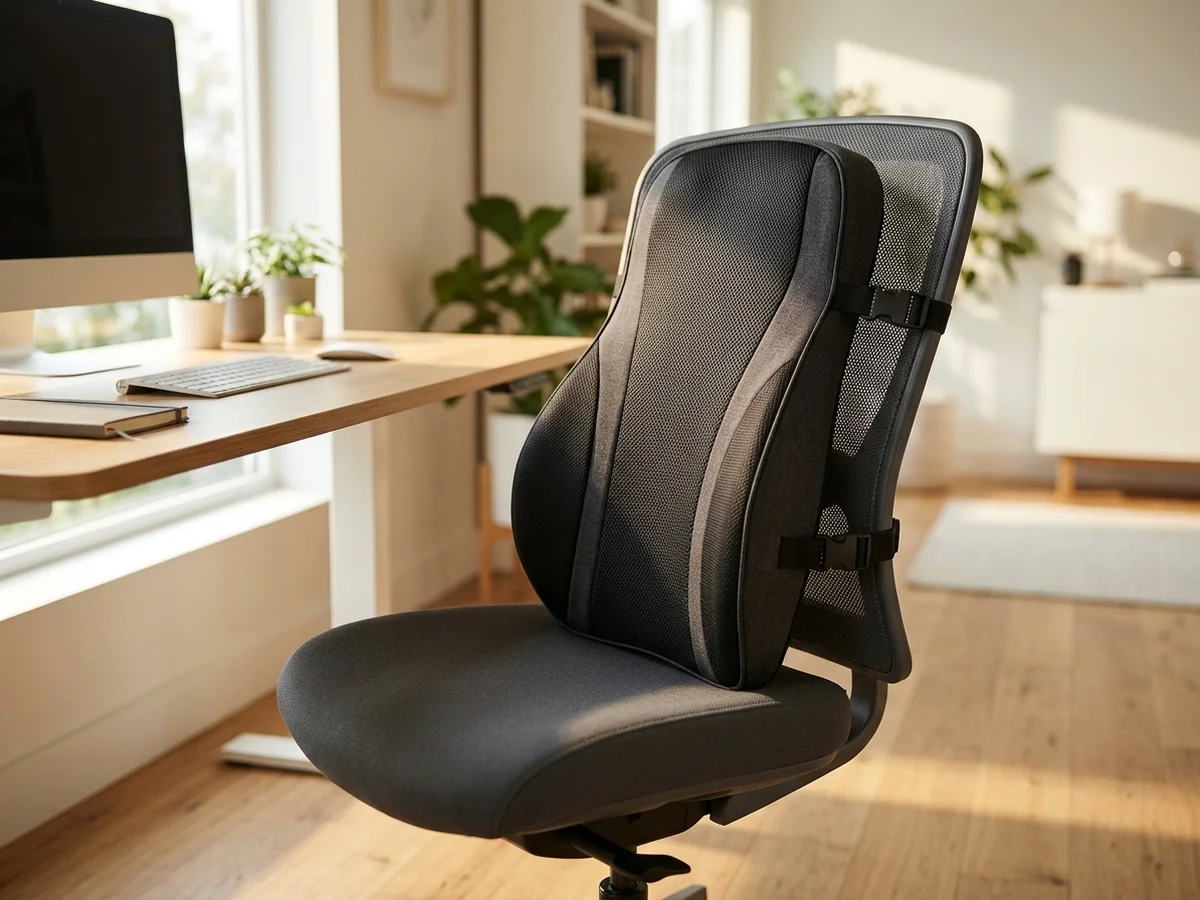
- Massage cushions, which are designed specifically to conform to the curvature of the spine.
Safety remains a priority when utilizing any mechanical device. It is common guidance to ensure that units with heating elements comply with Underwriters Laboratories (UL) safety standards for electrical products. Furthermore, individuals with pacemakers should consult a physician before using electronic massage devices due to potential electromagnetic interference, and pregnant women should speak with a healthcare provider before starting any new routine. Always remember that the use of massage devices should be avoided over areas with fractures or open wounds.
While these tools can be effective, they require mindful operation. Common guidance suggests that prolonged use of high-intensity massage tools can lead to bruising or tissue irritation. By understanding the specific mechanics of your device, you can better manage your expectations and ensure a safe experience at home.
How We Test Back Massagers
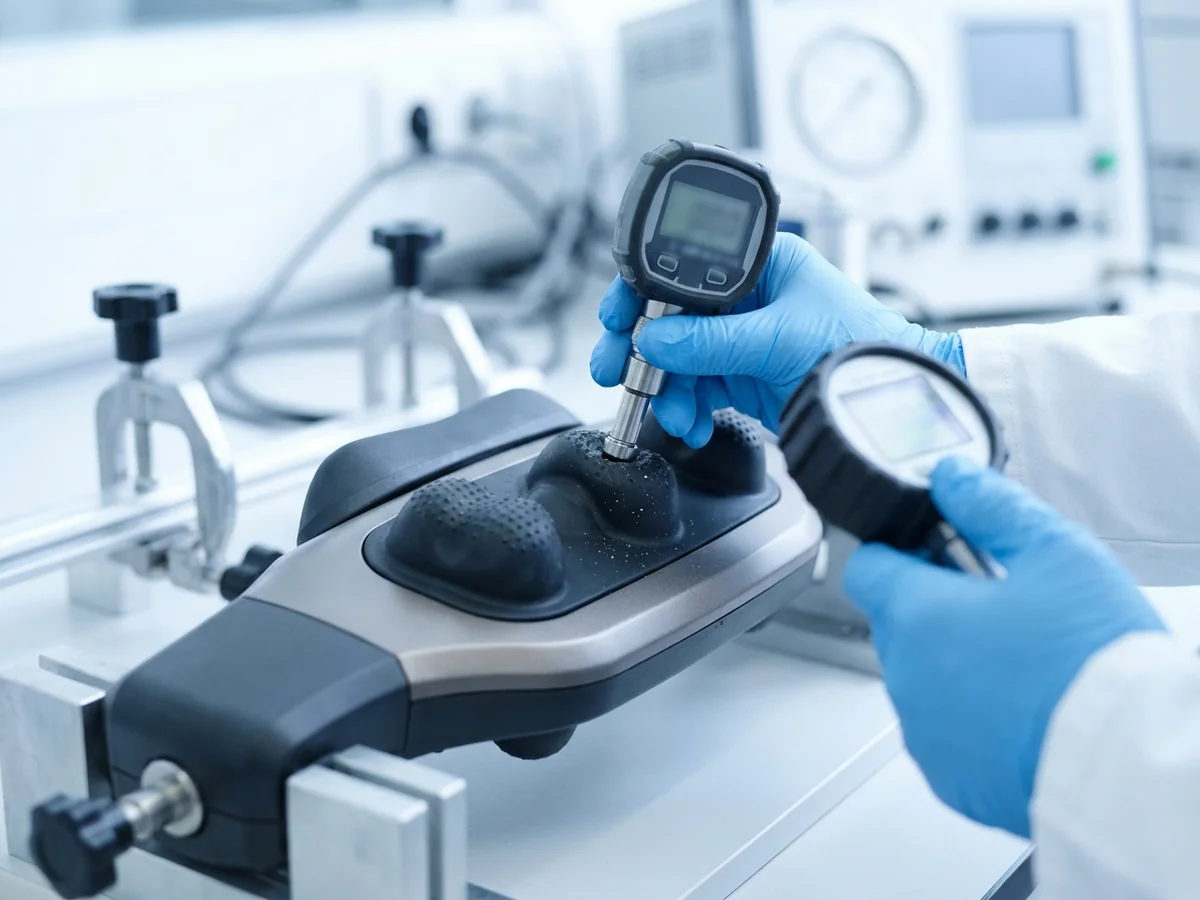
We evaluate potential candidates for the best back massager by analyzing their specific mechanical functions, safety compliance, and ergonomic effectiveness. Each device category relies on distinct movement patterns to address muscle tension and improve range of motion, so we categorize our testing based on how these tools interact with your body.
Percussive therapy devices operate by delivering rapid bursts of pressure to muscle tissue. This approach is designed to provide targeted relief, often through specialized attachments that focus force on specific areas. Because these tools generate high-intensity input, we monitor their performance for consistency and ensure they do not cause tissue irritation or bruising during standard use.
Shiatsu massage uses rhythmic pressure to stimulate energy points in the body. This technique is typically replicated in cushions or chairs using rotating nodes that mimic the feel of human touch. During our testing, we verify that these nodes align properly with the spine, as massage cushions are designed specifically to conform to the curvature of the spine for a more natural fit.
Distinguishing between mechanical movement and simple vibration is essential for understanding how a device works. Mechanical massagers use physical motion, such as rotating nodes or percussive heads, to manipulate muscle fibers directly. In contrast, simple vibration creates a rapid shaking sensation across the skin surface. While vibration can feel relaxing, it lacks the deep muscle manipulation provided by mechanical movement.
Safety and build quality are fundamental to our assessment process. We look for adherence to common industry standards, such as the standard voltage of 120V for household electronic massage devices in the US and thermal protections for heating elements. Because massage devices with heating elements typically comply with Underwriters Laboratories (UL) safety standards for electrical products, we confirm these certifications are present to ensure reliable operation.
- We verify that massage cushions maintain consistent node pressure along the spinal curvature.
- We check that high-intensity massage tools remain stable during operation.
- We confirm that all heating features include necessary safety shut-offs to prevent overheating.
Finally, we emphasize the importance of user safety protocols. As a matter of common guidance, individuals with pacemakers should consult a physician before using electronic massage devices due to potential electromagnetic interference. Similarly, we verify that massage therapy is never applied directly over areas with fractures or open wounds to avoid injury. Pregnant women should also consult a healthcare provider before using certain types of massage devices.
Back Massager Health Benefits
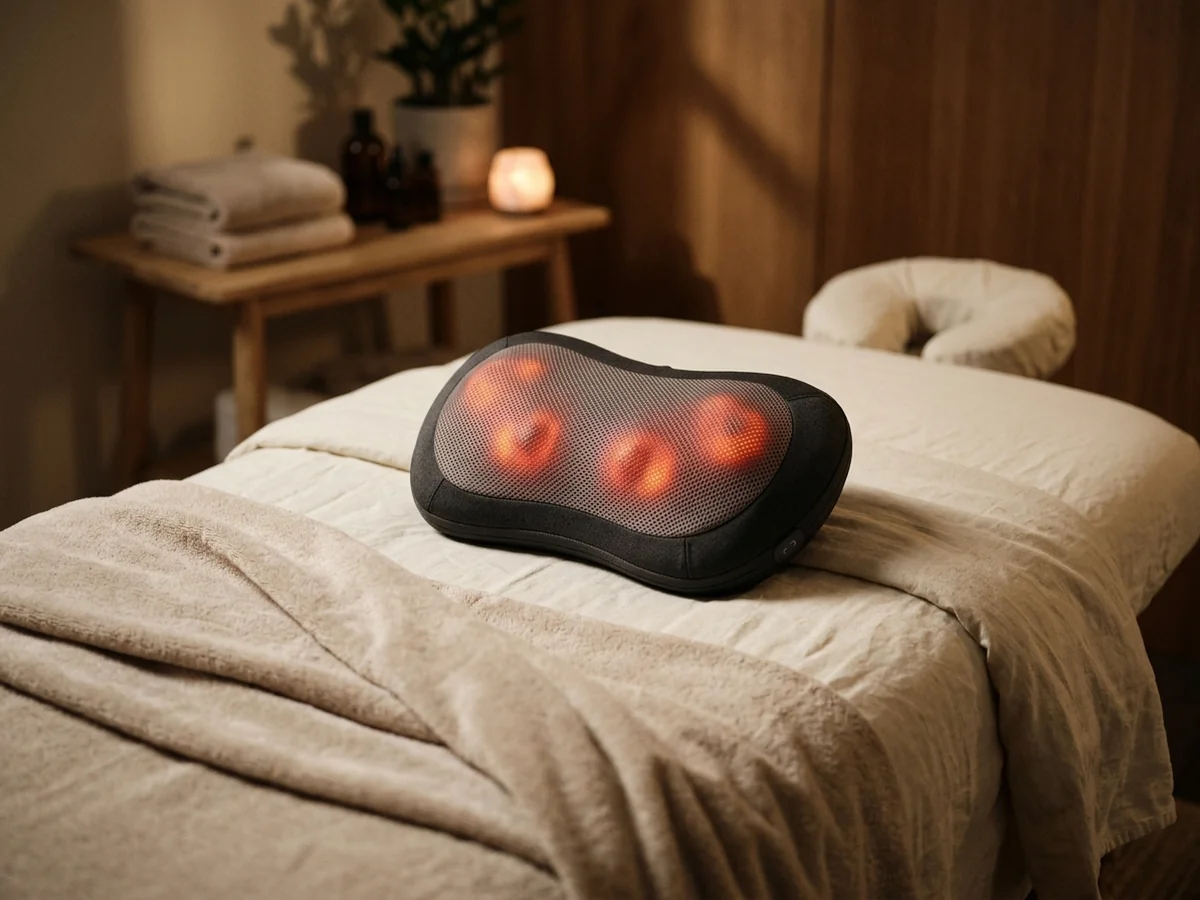
Targeted massage therapy provides tangible physiological benefits, ranging from improved circulation to enhanced mobility. These devices function by applying mechanical pressure or heat to soft tissues, which can help manage common muscle discomforts when used correctly. Understanding how these tools interact with your body helps in selecting the right equipment for your wellness routine.
Physiological Advantages
Scientific research supports several key health benefits associated with consistent massage. Deep tissue massage can increase local blood circulation in muscles, which may support the body’s natural recovery processes. Furthermore, regular massage therapy may reduce muscle tension and improve range of motion, allowing for better flexibility in your daily movements. For those targeting specific trigger points, handheld tools that deliver rapid bursts of pressure to muscle tissue offer targeted relief. If you prefer a more stationary experience, massage cushions are designed specifically to conform to the curvature of the spine, providing ergonomic support while you sit.
Safety and Best Practices
When incorporating these tools into your wellness regimen, prioritize safety to avoid injury. Common guidance suggests that individuals with pacemakers should consult a physician before using electronic massage devices due to potential electromagnetic interference. Additionally, massage devices with heating elements typically should comply with Underwriters Laboratories (UL) safety standards to ensure electrical reliability. For household devices, the standard voltage in the US is 120V.
It is important to follow standard usage protocols to ensure efficacy and safety:
- Avoid using any massage equipment over areas of the body with open wounds or known fractures to prevent further injury.
- Prolonged use of high intensity settings can lead to bruising or tissue irritation, so it is best to start with shorter sessions to gauge your comfort level.
- Pregnant women should consult a healthcare provider before using certain types of massage devices.
- Heat therapy is often recommended as common guidance for managing subacute and chronic low back pain.
Selecting the Right Tool
Choosing the best handheld massager for back pain or a stationary seat pad depends on your specific needs. Shiatsu massage, which uses rhythmic pressure to stimulate energy points in the body, is a popular feature in many cushions and portable back massager for chair models. If you are looking for deep tissue massage tools, evaluate whether you need a cordless unit powered by a Lithium-ion battery for portability or a corded model for consistent power. Regardless of the device, maintain clean fabric covers to ensure hygiene if multiple people use the equipment. Always start with lower intensity settings, especially when trying a new device, to allow your muscles to adapt to the pressure without unnecessary strain.
Top Back Massager Categories
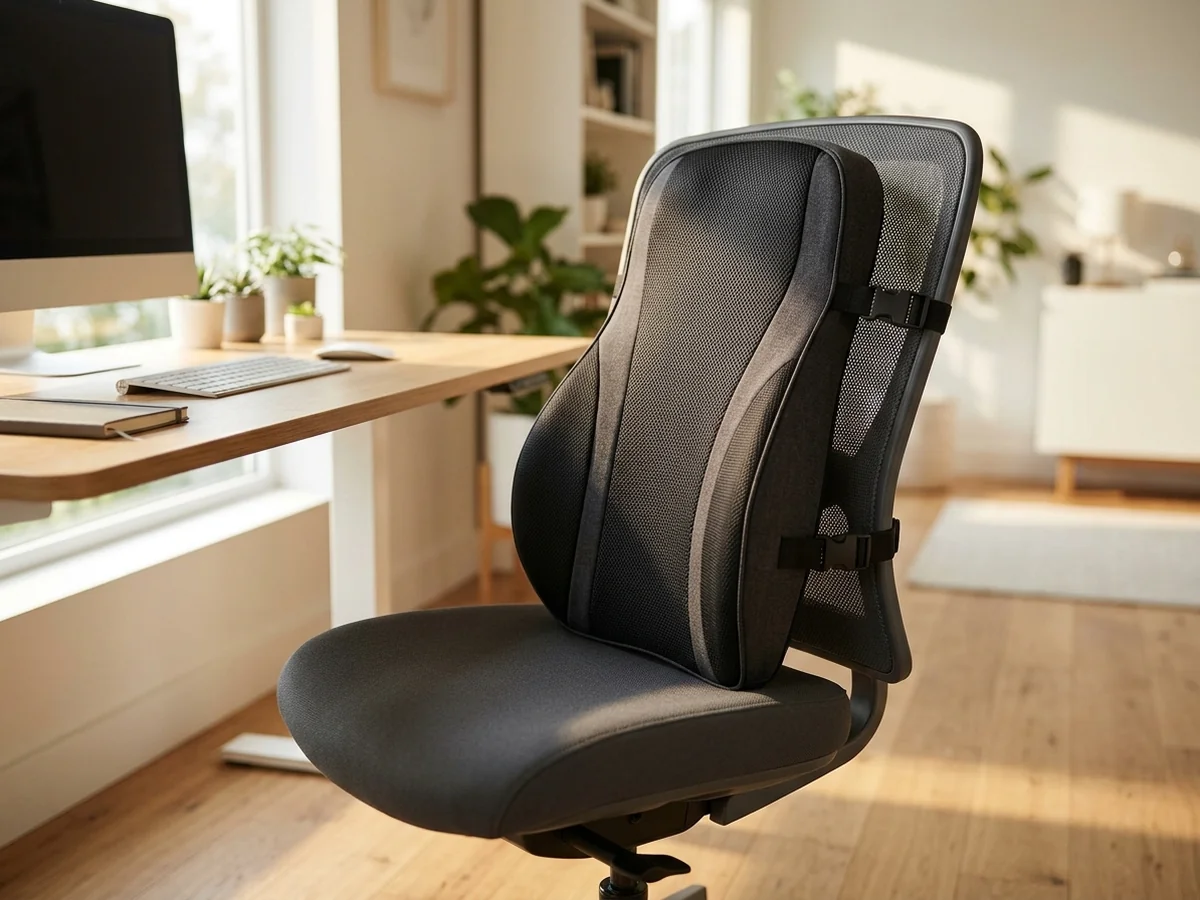
Choosing the best back massager involves balancing your need for targeted relief against your requirement for convenience and ease of use. Massage cushions are designed specifically to conform to the curvature of the spine, providing a stable, hands-free experience while you are seated. In contrast, handheld tools offer the versatility to reach specific muscle groups across the body, allowing for active, manual control over the pressure and placement of the treatment.
| Feature | Massage Cushion | Handheld Massager |
|---|---|---|
| Primary Use | Passive chair use | Active manual targeting |
| Spinal Support | High (contoured) | Minimal |
| Power Source | Usually corded | Corded or battery |
Massage Cushions for Stationary Relief
A portable back massager for chair use is a common choice for home or office environments because these cushions allow you to remain seated while receiving treatment. These devices often incorporate Shiatsu massage, which uses rhythmic pressure to stimulate energy points in the body. Because they are typically larger and must power multiple motors and heating elements, most chair-based models operate on 120V power. This configuration ensures reliable, consistent performance throughout a workday, though it does tether you to the proximity of an electrical outlet.
Handheld Tools and Percussive Therapy
If you prefer to direct your own recovery, handheld deep tissue massage tools provide a higher degree of flexibility. Many tools that deliver rapid bursts of pressure to muscle tissue are useful for addressing specific areas of tension. While corded handheld options exist, many modern versions utilize a lithium-ion battery to facilitate use away from a desk or while traveling. When choosing between these categories, consider that massage therapy may reduce muscle tension and improve range of motion, and deep tissue massage can increase local blood circulation in muscles.
Safety and Practical Considerations
Regardless of the category, electric back massager safety is a priority. It is common guidance to ensure any heating elements in your device comply with Underwriters Laboratories (UL) standards for electrical safety, as these certifications confirm the product meets established criteria for electrical components. If you are using a device with intense settings, be aware that prolonged use of high-intensity tools can lead to bruising or tissue irritation.
Furthermore, there are critical medical considerations to keep in mind. You must avoid using any massage device over areas with fractures or open wounds. Additionally, individuals with pacemakers should consult a physician before using electronic massage devices due to potential electromagnetic interference. Pregnant women should also consult a healthcare provider before using certain types of massage devices. Finally, while heat therapy is often recommended as common practice for subacute and chronic low back pain, always follow the manufacturer recommended time limits to prevent overexertion of your muscles.
Back Massager Safety Tips
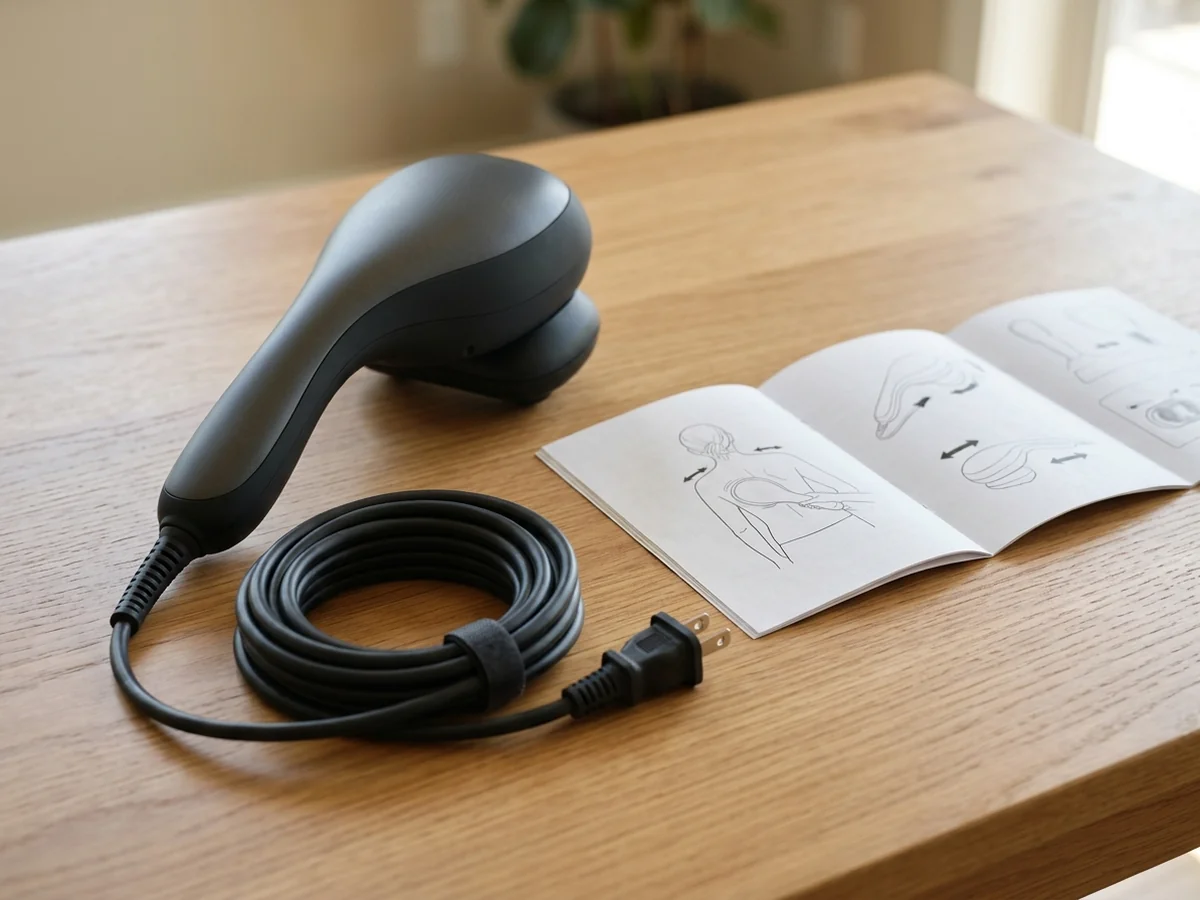
Prioritizing safety ensures that using an electric massager remains a beneficial part of your wellness routine. Adhering to manufacturer guidelines and understanding personal health limitations helps prevent injury and ensures you use these tools effectively. Massage therapy may reduce muscle tension and improve range of motion, and deep tissue massage can increase local blood circulation in muscles, but these devices must be operated with care.
Physical Contraindications
Before incorporating a device into your routine, be aware of specific physical boundaries. The use of massage devices should be avoided over areas with fractures or open wounds to prevent further tissue damage or complications. If you are pregnant, it is common guidance to consult a healthcare provider before using certain types of massage devices to ensure the method is appropriate for your specific health needs. Similarly, individuals with pacemakers should consult a physician before using electronic massage devices due to the potential for electromagnetic interference from internal motors.
Operational Safety and Maintenance
Understanding the mechanics of your device is essential for electric back massager safety. Some tools operate by delivering rapid bursts of pressure to muscle tissue, while Shiatsu massage uses rhythmic pressure to stimulate energy points in the body. Because these actions are powerful, it is common practice to limit session durations, as prolonged use of high intensity massage tools can lead to bruising or tissue irritation. Always start on the lowest setting to monitor your body response and cease use immediately if you feel sharp pain or excessive pressure.
When selecting equipment, prioritize items that feature an ergonomic design. For instance, massage cushions are designed specifically to conform to the curvature of the spine, which helps maintain comfort during operation. Regarding electrical safety, it is common practice for massage devices with heating elements to comply with Underwriters Laboratories (UL) safety standards for electrical products. In the United States, the standard voltage for household electronic massage devices is 120V.
Before every session, inspect the power cord or battery housing for any signs of wear. If you are using a portable unit powered by a lithium-ion battery, ensure you follow the manufacturer instructions for proper storage. While heat therapy is often recommended for subacute and chronic low back pain, do not rely on a heated device to treat undiagnosed or severe injuries without professional medical advice. Always check that your device is in good working order to ensure a safe and relaxing experience.
Common Back Massager Mistakes
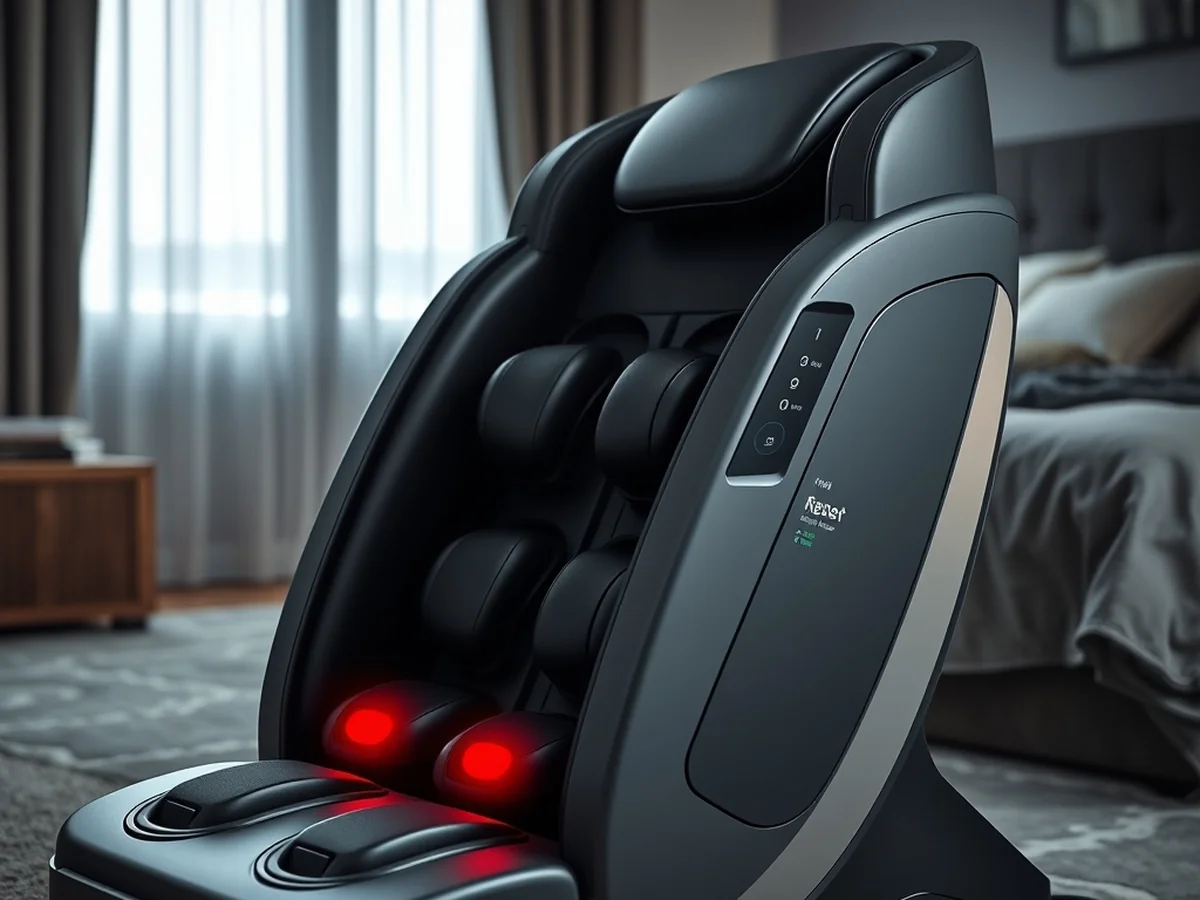
Using a back massager incorrectly can lead to physical discomfort or electrical hazards. Whether you are using a portable back massager for chair use or handheld deep tissue massage tools, understanding proper operation is essential for safety. Massage therapy may reduce muscle tension and improve range of motion, and deep tissue massage can increase local blood circulation in muscles, but these benefits rely on correct application.
Avoiding Physical Overuse
A frequent error involves using high intensity settings for too long. It is common guidance that prolonged use of high intensity massage tools can lead to bruising or tissue irritation. Muscles require time to recover, so avoid over-stimulating the tissue by keeping sessions brief. Handheld tools that operate by delivering rapid bursts of pressure to muscle tissue are effective but can be taxing if applied to a single spot for an extended period. Similarly, Shiatsu massage uses rhythmic pressure to stimulate energy points in the body, which should be done with care to avoid soreness. Start with sessions of five to ten minutes to see how your body responds before gradually increasing the time.
Safety and Medical Considerations
Electrical safety is another priority, particularly for devices with heating elements. It is common guidance that massage devices with heating elements must comply with Underwriters Laboratories (UL) safety standards for electrical products to ensure they have been tested for fire and shock hazards. Always check for this certification on the packaging or manufacturer manual. In the United States, it is common guidance that the standard voltage for household electronic massage devices is 120V.
You must also respect the physical limitations of your body. The use of massage devices should be avoided over areas with fractures or open wounds. Furthermore, individuals with pacemakers should consult a physician before using electronic massage devices due to the risk of electromagnetic interference. Pregnant women should also consult a healthcare provider before using certain types of massage devices to ensure the chosen intensity and style are appropriate.
Designing for Comfort
When selecting the best back massager, consider its design. For example, massage cushions are designed specifically to conform to the curvature of the spine, providing a more ergonomic fit than handheld alternatives. Regardless of the device type, always follow the manufacturer recommended duration and intensity settings. Proper electric back massager safety involves both maintaining the hardware and listening to your body to ensure the recovery experience remains effective.
When to See a Doctor
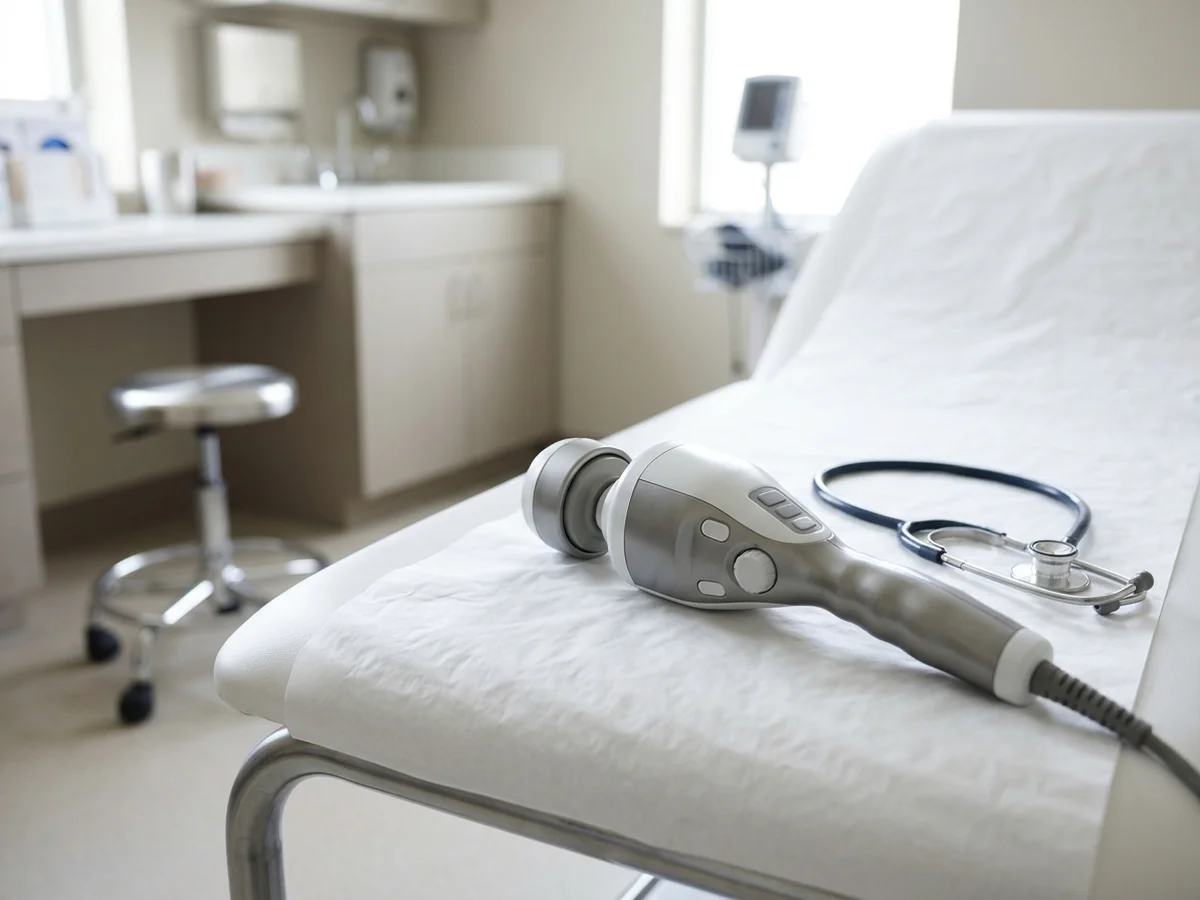
Professional medical evaluation is necessary if your back pain is persistent, worsening, or accompanied by symptoms such as numbness, weakness, or fever. While home massage devices can provide comfort for minor muscle tension, they are not substitutes for a clinical diagnosis or a structured physical therapy program. Massage therapy may reduce muscle tension and improve range of motion, but it is not a cure for structural spinal issues or nerve-related pain.
Safety and Contraindications
Safety is a critical consideration when integrating massage equipment into your wellness routine. You must avoid using any massage device over areas with fractures or open wounds. Furthermore, there are specific health scenarios where professional guidance is essential to avoid potential harm:
- Individuals with pacemakers should consult a physician before using electronic massage devices due to the risk of electromagnetic interference.
- Pregnant women should speak with a healthcare provider before using certain types of massage technology.
- Those with chronic health conditions or unexplained pain should obtain clearance from a doctor to ensure that massage is a safe approach for their specific situation.
Using Massage Technology Responsibly
Understanding how different devices function can help you use them more effectively. Deep tissue massage can increase local blood circulation in muscles, but high intensity usage can lead to bruising or tissue irritation if performed improperly. Similarly, handheld devices that deliver rapid bursts of pressure to muscle tissue require careful application to avoid discomfort. If you are using a device with heating elements, ensure the product is reputable and typically compliant with Underwriters Laboratories (UL) safety standards for electrical products.
It is important to remember that massage equipment is a tool for temporary relief, not a replacement for professional care. For instance, while massage cushions are designed specifically to conform to the curvature of the spine, they cannot address deep biomechanical issues. If your symptoms do not improve after a short period of self-care, or if the pain intensifies, discontinue use of your device immediately and schedule an appointment with a medical professional. A licensed therapist can identify the underlying cause of your discomfort, address specific biomechanical issues, and perform targeted interventions that mechanical devices simply cannot replicate. Relying solely on home equipment may delay the diagnosis of conditions that require specialized medical attention.
FAQ
Do back massagers actually help with muscle pain?
Massage therapy may reduce muscle tension and improve range of motion, which can provide relief from discomfort. Additionally, deep tissue massage can increase local blood circulation in muscles to further support recovery.
Are there specific health conditions that prevent the use of back massagers?
Individuals with pacemakers should consult a physician before using electronic massage devices due to the potential for electromagnetic interference. Furthermore, the use of massage devices should be avoided over areas with fractures or open wounds, and pregnant women should consult a healthcare provider before use.
What are the benefits of heat functionality in a massager?
Heat therapy is commonly recommended as a practice for managing subacute and chronic low back pain. Many devices incorporate this feature to help soothe stiff muscles during a session, though users should ensure their chosen model complies with Underwriters Laboratories safety standards for electrical products.
How long should I use a back massager in one session?
While usage times vary by device, it is important to avoid prolonged use of high intensity massage tools, as this can lead to bruising or tissue irritation. Always follow the manufacturer guidelines provided with your specific model to maintain safe operation.
What is the difference between Shiatsu and percussive therapy?
Shiatsu massage uses rhythmic pressure to stimulate energy points in the body, typically through rotating nodes. In contrast, percussive therapy operates by delivering rapid bursts of pressure directly into muscle tissue.
How do I choose between a handheld massager and a massage cushion?
A handheld massager allows for targeted relief on specific points, whereas massage cushions are designed specifically to conform to the curvature of the spine for broader coverage. Consider whether you prefer a model intended for chair use or a handheld option for more manual control over intensity and placement.
Conclusion
Selecting the best back massager requires balancing your specific comfort needs with essential safety practices. Before finalizing your choice, verify that the device meets standard electrical safety requirements and consult a healthcare provider if you have underlying medical conditions. Prioritizing these factors ensures that your purchase provides effective relief while minimizing the risk of tissue irritation or injury.
Sources: pubmed.ncbi.nlm.nih.gov, pmc.ncbi.nlm.nih.gov, ocf.berkeley.edu, nuhs.edu
You might also like: 10 High Protein Thanksgiving Casseroles Under 550 Calories