
10 Benefits of Facial Massage
Introduction
The primary benefits of facial massage include improved blood circulation, tension relief, and enhanced absorption of topical skincare products. Understanding these benefits of facial massage allows you to better support your skin health and manage localized muscle discomfort through targeted manual techniques.
This article explores the evidence behind common facial massage practices, ranging from clinical applications like managing temporomandibular joint (TMJ) pain to the physiological release of endorphins. We will cover how specific methods, such as the 47 distinct maneuvers used in traditional Kobido massage, interact with facial tissues. You will also learn how consistent practice can help address sinus pressure and reduce the appearance of scars. Whether you are curious about incorporating tools like a gua sha stone into your routine or seeking professional techniques to alleviate puffiness, this guide provides the necessary information to help you approach facial wellness with clarity and realistic expectations.
Understanding Facial Massage as a Therapeutic Practice
Facial massage is a therapeutic practice involving the deliberate manual manipulation of facial muscles and connective tissue to improve local health and function. By applying rhythmic pressure and specific strokes, this technique targets the underlying structural layers of the skin and musculature.
This practice serves both clinical and aesthetic purposes. From a physiological standpoint, facial massage can help relieve symptoms of sinus pressure and congestion. It is also used as a technique for managing TMJ pain by addressing tension in the jaw area. Beyond these health applications, many individuals use these manual methods to support their skincare goals. For instance, stimulating blood flow via this approach can improve the skin absorption of topical products. Additionally, applying massage techniques to the face can assist in softening scar tissue and enhancing its overall appearance.
To help you navigate this practice, this article explores various outcomes associated with consistent application:
- Clinical advantages, such as the release of endorphins and support for muscular tension.
- Aesthetic outcomes, including common guidance that poor lymphatic drainage can contribute to facial puffiness and inflammation.
- Practical safety tips to ensure you perform these techniques without causing skin irritation or tissue damage.
Whether you are interested in specialized methods, such as the Kobido technique which involves 47 different maneuvers on the face, or simple daily routines, understanding the mechanics of these movements is essential. We will examine how these practices interact with your facial structure and what you can realistically expect from integrating them into your wellness regimen.
Relieving Tension and Congestion

Facial massage serves as a practical, non-invasive method for addressing physical discomfort and systemic tension. According to the Cleveland Clinic, facial massage can help relieve symptoms of sinus pressure and congestion. By applying gentle, rhythmic pressure to specific areas around the nose, cheeks, and brow, this practice encourages the movement of fluid, which may ease the discomfort associated with sinus inflammation.
Managing TMJ and Facial Tension
Facial massage is also widely recognized as a technique for managing TMJ pain. The temporomandibular joint (TMJ), which connects the jawbone to the skull, often becomes restricted due to chronic stress, clenching, or grinding. By focusing on the masseter muscles and the surrounding connective tissue, practitioners can work to release deep-seated jaw tension. Because poor lymphatic drainage can contribute to facial puffiness and inflammation, integrating these movements helps move stagnant fluid away from the affected areas, potentially reducing localized swelling.
The Role of Stimulation and Circulation
Beyond physical release, the benefits of facial massage extend to the nervous system. The practice can stimulate the release of endorphins, which aids in the body’s natural response to pain and stress. Furthermore, stimulating blood flow via facial massage can improve skin absorption of topical products, making it a functional addition to a daily skincare routine. For those exploring structured methods, the Kobido technique is notable for involving 47 different maneuvers on the face, each designed to address specific facial muscles and tissues.
When learning how to do facial massage at home, safety and consistency are paramount. To prevent skin irritation or tissue damage, follow these guidelines:
- Use light to medium pressure, especially when working near sensitive joint areas like the TMJ.
- Ensure hands or tools, such as a gua sha stone, are thoroughly cleaned before use to prevent breakouts.
- Focus on slow, deliberate strokes rather than rapid or forceful rubbing.
- Stop immediately if you experience sharp pain or significant discomfort during the process.
If you are managing chronic pain or recovering from injury, consult with a professional, such as a dermatologist or physical therapist, to determine how often you should get a facial massage based on your specific needs.
Skin Absorption and Circulation
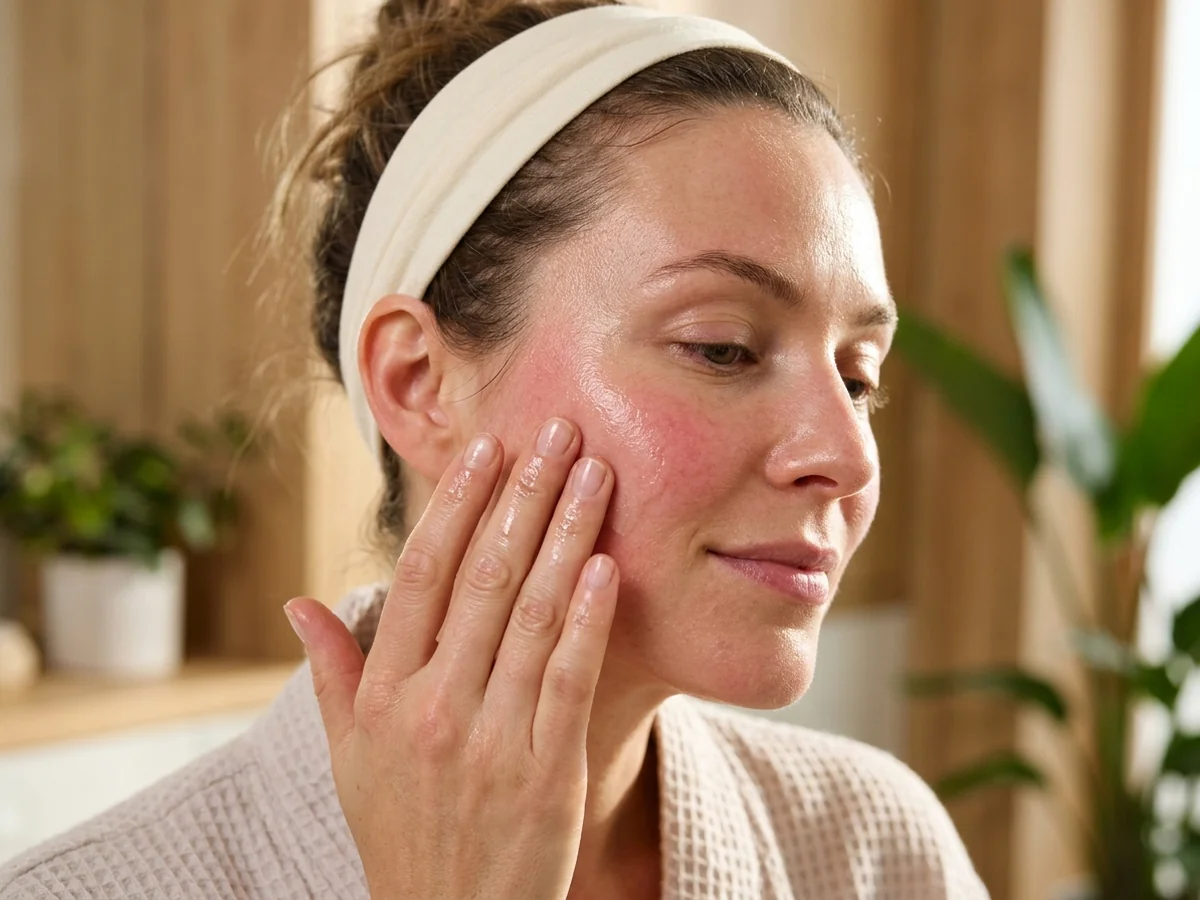
Stimulating blood flow through physical manipulation can improve the way your skin absorbs topical products. According to the Acupuncture and Integrative Medicine College, Berkeley, stimulating blood flow via facial massage can improve skin absorption of topical products.
When blood circulation increases, the skin experiences enhanced nutrient delivery, which supports overall skin health and vitality. This process works by encouraging a more efficient exchange of oxygen and nutrients at the cellular level. By manually increasing blood flow, the skin may be better prepared to receive and integrate active ingredients from serums or moisturizers applied during your routine.
Managing Tissue and Drainage
Beyond cosmetic application, consistent massage practices are recognized for their role in healing. Research from Cambridge University Hospitals indicates that massage techniques applied to the face can assist in managing discomfort and improving the visual quality of scar tissue. This is often attributed to the way massage helps mobilize tissue and support local circulation in the affected area.
When considering how to do facial massage at home, it is useful to note that the skin also relies on healthy lymphatic drainage to manage fluid balance. Poor lymphatic drainage can contribute to facial puffiness and inflammation. Incorporating techniques specifically for facial massage for lymphatic drainage can help encourage this natural process, potentially reducing the visibility of puffiness while aiding the skin in absorbing the products you use.
Technical Techniques and Physiological Effects
Different modalities offer varying levels of intensity and focus. Traditional Kobido facial massage involves 47 different maneuvers on the face, showcasing the precision involved in professional practice. Beyond the surface, practitioners often use these methods to influence deeper structures.
Facial massage is used as a technique for managing TMJ pain, as it helps address tension in the temporomandibular joint. Additionally, facial massage can help relieve symptoms of sinus pressure and congestion. The rhythmic nature of these movements can stimulate the release of endorphins, contributing to a sense of overall well-being.
Lymphatic Flow and Puffiness
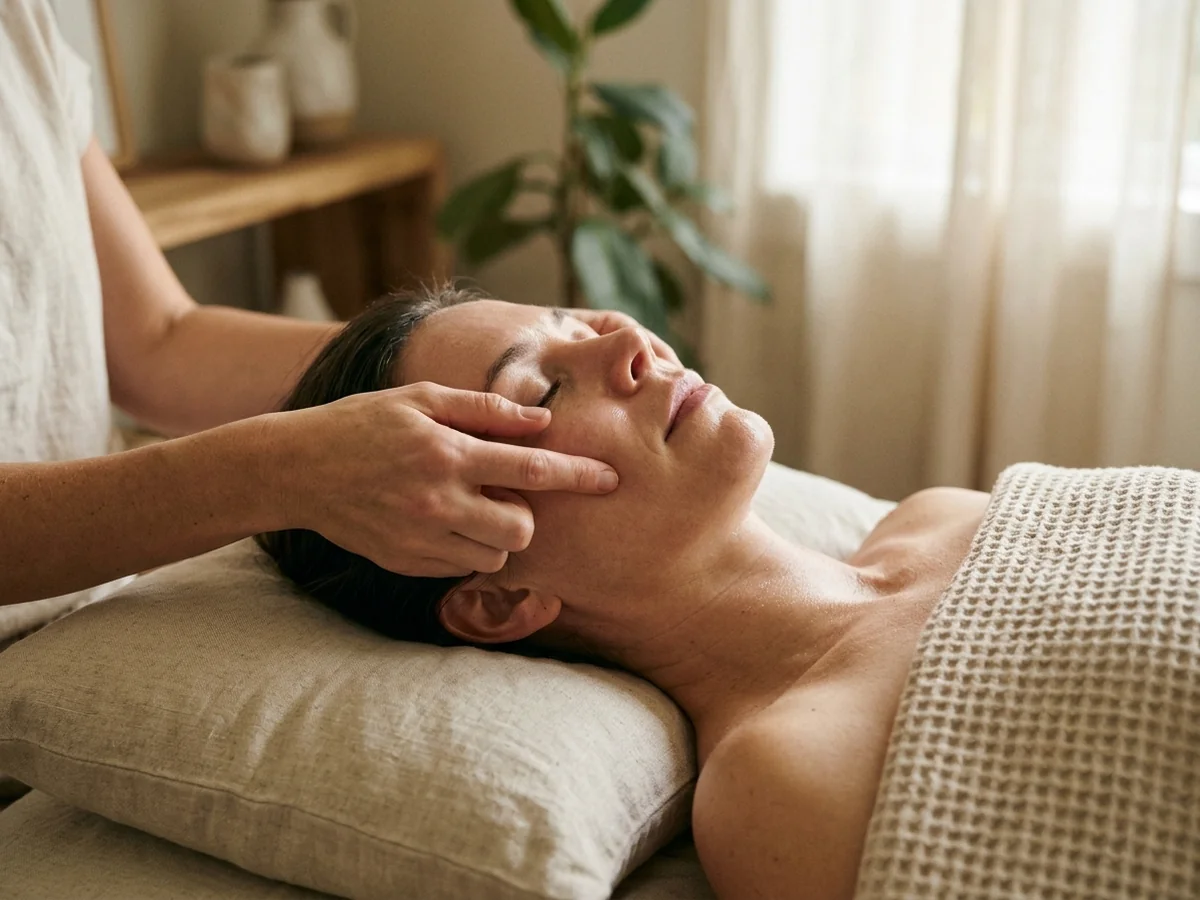
Facial massage for lymphatic drainage helps reduce visible puffiness by encouraging the movement of trapped fluid away from the face. The lymphatic system acts as a natural filtration network, but when fluid becomes stagnant in the soft tissues, it often leads to noticeable swelling or a heavy sensation in the morning.
It is common guidance that poor lymphatic drainage can contribute to facial puffiness and inflammation. By using gentle, sweeping manual techniques, you can manually assist this system in flushing out excess interstitial fluid. These strokes typically follow the natural contours of the face toward the lymph nodes located near the ears and down the neck, which acts as a drainage pathway.
Addressing morning puffiness through these manual methods is effective because it targets the buildup that accumulates while lying horizontal overnight. While the results can appear immediate, it is important to understand that these changes are temporary. The process relies on mechanical stimulation to shift fluid, meaning the effect is not permanent and does not alter the underlying structure of the skin.
Consistent practice may help manage this fluid retention, but the relief remains transient. Because the body continuously produces and circulates lymph, any reduction in volume will eventually return if the contributing factors for stagnation persist. Think of this approach as a temporary tool for refreshing the appearance of the face rather than a long-term solution for facial contouring.
Reduces Facial Stress

Facial massage helps reduce physical and mental strain by easing tension in facial muscles and promoting a state of relaxation. This practice influences the body by shifting activity away from the sympathetic nervous system, which is responsible for the fight or flight response. By encouraging a calmer physiological state, the technique can significantly lower perceived stress levels.
Beyond the physical release of tight muscles, the process triggers a chemical response in the body. Facial massage can stimulate the release of endorphins, which are the body’s natural feel-good hormones. These chemicals act as natural mood elevators, helping to improve your overall sense of well-being during and after the session.
Incorporating these movements into a daily routine offers meaningful mental health benefits as a dedicated self-care ritual. Taking time to focus on your own needs creates a necessary pause in a busy day, allowing for a moment of mindfulness. The primary benefits of facial massage include:
- Easing the physical sensation of stress held in the jaw and forehead.
- Promoting a shift toward a more relaxed nervous system state.
- Providing a consistent, grounding ritual that supports emotional health.
- Releasing endorphins that contribute to a more positive mood.
This approach to wellness addresses both the visible signs of tension and the internal experience of stress. By combining physical manipulation with mindful intention, you can create a more balanced environment for your skin and your mind. Regular attention to these areas serves as a simple yet effective tool for managing the pressures of everyday life.
Improves Muscle Tone

Facial massage improves muscle tone by stimulating underlying tissues and increasing blood circulation, which helps maintain the structural integrity of the face. While traditional methods often rely on rhythmic manual kneading, specialized approaches offer varied intensity and precision.
Consider these key distinctions in technique and application when addressing muscle health:
- The Kobido technique is a highly structured practice that incorporates 47 different maneuvers on the face to work specifically on deep muscle layers.
- Manual touch allows for intuitive adjustments in pressure, which is essential when addressing areas of high tension like those associated with the temporomandibular joint (TMJ).
- Using a gua sha stone provides a firmer, more consistent edge for sculpting and contouring, as it can apply targeted pressure that fingers might struggle to maintain.
- The benefits of gua sha massage include its ability to sweep over connective tissue, which is often cited as a helpful way to manage fluid buildup that contributes to puffiness.
- Manual massage remains the gold standard for adjusting to delicate skin, while tools offer increased efficiency for lymphatic drainage and muscle firming.
- Consistent application of these techniques helps muscles remain supple, supporting a more defined appearance over time.
Integrating these methods requires an understanding of how your skin responds to different pressures. Whether you use the warmth of your hands or the cooling surface of a stone, the primary goal remains the same: releasing tension while encouraging better circulation throughout the facial structure.
Enhances Natural Glow

Facial massage improves skin radiance by stimulating blood circulation, which helps deliver oxygen and nutrients to the surface while enhancing the absorption of your favorite topical products. By increasing local blood flow, the skin often appears brighter and more refreshed after a session.
When learning how to do facial massage at home, you must prioritize technique and hygiene to avoid skin damage or unwanted breakouts. Use these practices to maintain a safe and effective routine:
- Always apply a generous amount of facial oil or a thick serum to provide enough slip, which prevents the skin from dragging or stretching during your movements.
- Ensure your hands are thoroughly washed before touching your face to prevent the transfer of bacteria that can clog pores.
- Clean your massage tools, such as rollers or stones, with warm water and a mild, fragrance-free soap after every use to maintain sanitary conditions.
- Store tools in a clean, dry area away from bathroom moisture to discourage the growth of mold or bacteria on the surfaces.
- Limit the pressure applied to the skin, as excessive force can cause irritation or bruising rather than the intended restorative effects.
- Perform movements in an upward and outward direction to support the natural flow of the lymphatic system, which is commonly associated with reducing puffiness.
Following these steps ensures that your practice remains a gentle, rewarding part of your wellness routine. Whether you are using your fingertips or specialized tools, keeping the skin lubricated and the equipment clean remains the most reliable way to protect your complexion while encouraging a healthy, vibrant appearance.
Prevents Fine Lines
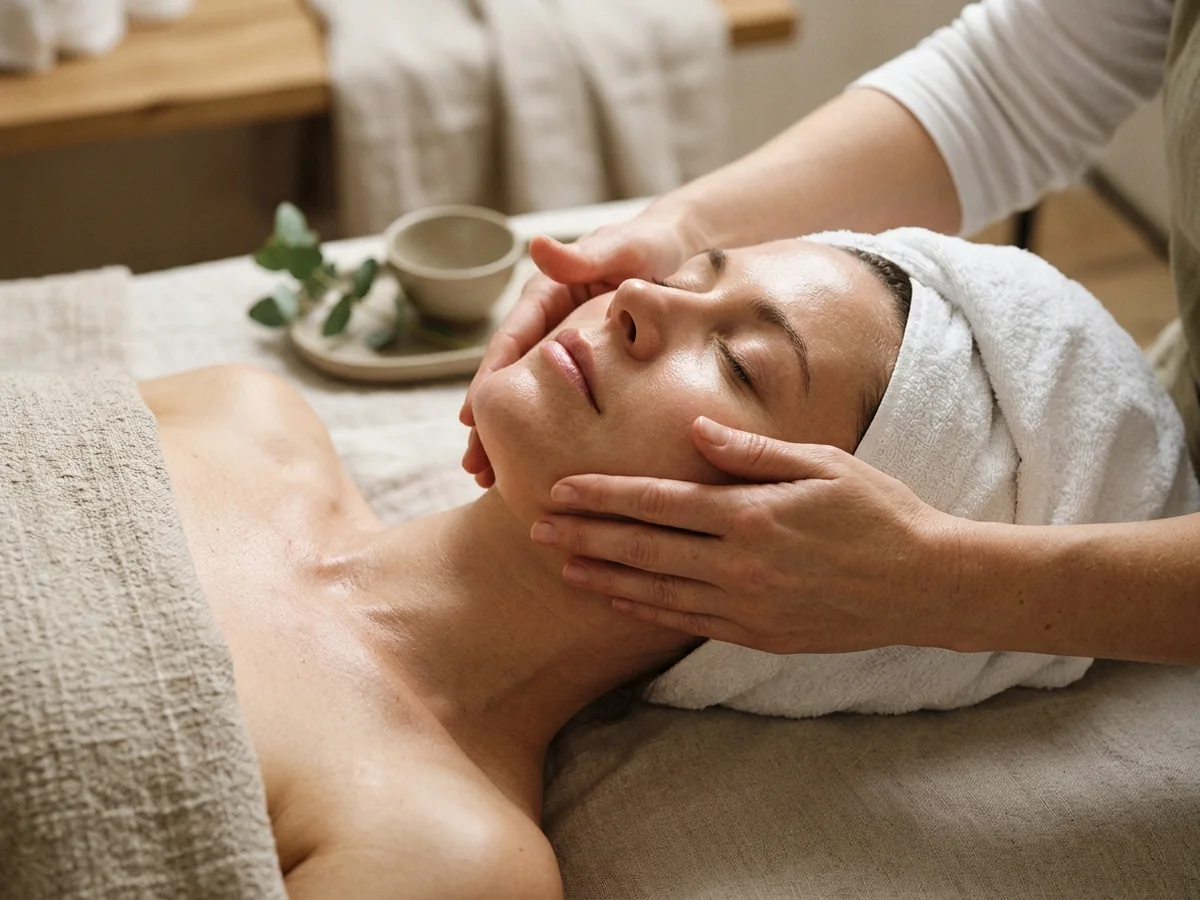
Regularly manipulating facial muscles through massage helps maintain tissue elasticity, which can minimize the appearance of fine lines over time. While the question of does facial massage reduce wrinkles is common, the benefits extend beyond aesthetics. Stimulating blood circulation via these techniques can improve the skin absorption of your topical products, ensuring your skincare regimen works more effectively. Furthermore, the act of massage can stimulate the release of endorphins, contributing to an overall sense of wellbeing alongside physical skin improvements.
Managing Tension and Congestion
Beyond cosmetic goals, facial massage is frequently used as a technique for managing TMJ pain by addressing tension in the jaw muscles. It is also a practical approach for physical relief, as it can help relieve symptoms of sinus pressure and congestion. Facial massage serves as a method to assist with scar healing and alleviate associated discomfort. While many people turn to tools like a gua sha stone for convenience, the pressure must remain gentle to avoid damaging delicate connective tissue.
Professional Techniques and Frequency
Determining how often should you get a facial massage depends on your specific goals and skin sensitivity. While gentle techniques are generally safe for daily use, some methods are highly complex. The Kobido facial massage involves 47 different maneuvers on the face, which is best handled by a licensed professional to ensure correct technique and safety.
If you are practicing these techniques on your own, prioritize clean hands and a lubricant to prevent friction. Avoid these practices if you have active acne, open wounds, or infections, as massage can spread bacteria or exacerbate existing inflammation. It is common guidance that poor lymphatic drainage can contribute to facial puffiness, though professional intervention is recommended for those seeking targeted therapeutic outcomes or managing chronic conditions like persistent tension. Always consult a dermatologist before beginning a new routine if you have underlying skin health concerns or have recently undergone cosmetic procedures.
FAQ
What happens if you massage your face daily?
Daily massage can improve blood circulation and help increase the skin absorption of your topical products. This regular practice can also stimulate the release of endorphins to help you manage stress.
How often should you get a facial massage?
The frequency depends on your personal goals, such as managing TMJ pain or addressing skin texture. Many people find that incorporating short sessions into their routine several times a week provides the most noticeable benefits.
How long does it take to see results from facial massage?
You may feel immediate relief from muscle tension or sinus pressure during a session. However, visible changes to skin appearance typically require consistent practice over several weeks.
Do facial massages actually help with sinus issues?
Facial massage can help relieve symptoms of sinus pressure and congestion. Targeted techniques can encourage drainage and reduce the discomfort associated with blocked sinuses.
Can facial massage help with TMJ pain?
Facial massage is used as a technique for managing TMJ pain. By focusing on the muscles surrounding the jaw, the practice can help reduce the chronic tightness that often accompanies this condition.
Is it possible to improve scar appearance through massage?
Massage is a recognized method for addressing scar tissue by softening and mobilizing the underlying connective tissue, which can alleviate discomfort and improve the overall appearance of the area.
Conclusion
Deciding to incorporate these techniques into your routine depends on whether you seek relief from specific conditions or general relaxation. If you are interested in the clinical or aesthetic benefits of facial massage, start by consulting a dermatologist to ensure these practices are appropriate for your skin type. Once you have professional clearance, you can begin experimenting with gentle movements at home to see how your skin and muscles respond.
Sources: health.clevelandclinic.org, aiam.edu, cuh.nhs.uk, pacificcollege.edu
You might also like: 10 High Protein Thanksgiving Casseroles Under 550 Calories