10 Face Mask Tips for a Better Skincare Routine
Introduction
Effective face mask tips involve selecting formulas that address specific skin concerns while ensuring they align with your daily routine. By applying these face mask tips, you can better support your skin barrier and maintain a healthy complexion.
This article provides evidence-based guidance on how to integrate masks into your skincare regimen. You will learn how to choose the right ingredients for your skin type, understand the limitations of facial masks, and identify which additives to avoid. From maximizing the benefits of active ingredients to establishing a proper application schedule, this overview covers the essential practices for safe and effective masking.
Understanding the Role of Masks in Your Routine
Facial masks are often used as a supplemental step to help moisturize and strengthen the skin barrier. It is important to recognize that these products are typically not viewed as a replacement for treating medical conditions like eczema or acne. While masks may provide aesthetic improvements or temporary relief, they do not function as clinical medication.
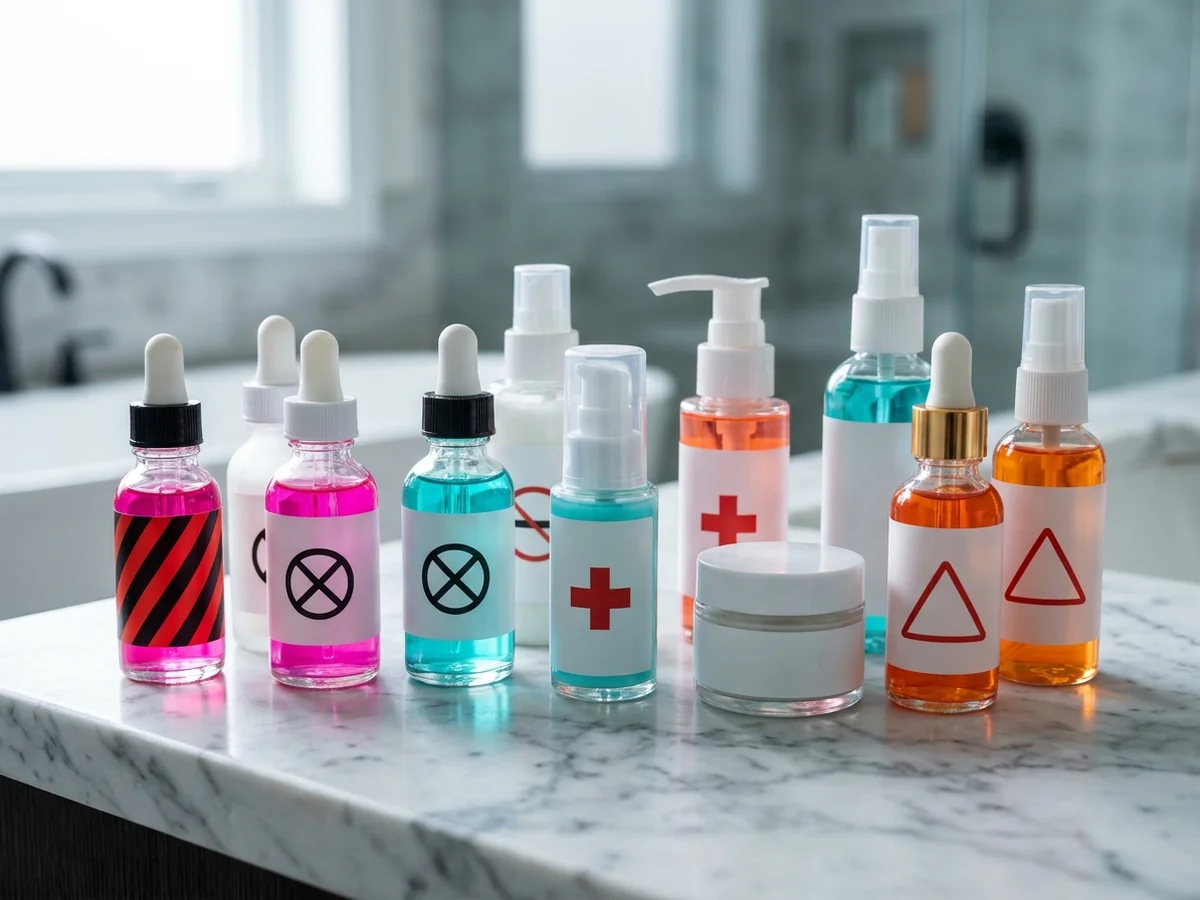
If you are managing a diagnosed skin condition, always prioritize professional prescribed treatments over cosmetic applications. Effectively incorporating a mask requires selecting formulas that align with your specific goals while avoiding ingredients that may cause reactions. Fragrance can irritate skin or cause allergic skin rashes, and essential oils may be too strong for direct skin application.
Selecting Ingredients Based on Skin Needs
Reviewing the ingredient list is a necessary first step when choosing a face mask for skin type. Look for ingredients backed by evidence to address your specific concerns:
- Hyaluronic acid: Helps lock in water to keep skin hydrated.
- Ceramides: Help strengthen the skin barrier.
- Colloidal oatmeal: Can soothe irritated skin.
- Green tea extract: Can help reduce inflammation.
- Kaolin and bentonite clays: Help absorb oil and soothe irritation.
- Vitamin C: This antioxidant works to brighten the complexion and firm the skin.
- Peptides: Help create collagen and elastin for skin.
- Bakuchiol: Used to improve sun damage and even out skin tone.
You may also find products containing glycerin, which is commonly used to smooth and soften skin, or alpha hydroxy acids and beta hydroxy acids, which are chemical exfoliators often used to unclog pores and improve skin texture. If you are looking for ways to manage shiny skin or acne, niacinamide is also commonly utilized.
Best Practices for Application and Safety
When learning how to apply a face mask correctly, start with clean, dry skin to ensure the active ingredients can interact effectively with the surface. Before applying any new product to your entire face, perform a patch test on a small area, such as behind the ear or on the inner forearm. This precaution helps you gauge how your complexion reacts to the components before full application.
Determining how often should you use a face mask depends on the mask type and your skin sensitivity. While some hydrating masks may be gentle enough for frequent use, clay-based formulas intended to absorb excess oil are typically used less often to avoid dehydration.
Regarding the timing of your routine, deciding when to use a face mask, morning or night, often depends on your schedule and the product benefits. For example, a morning mask might focus on brightening with Vitamin C, while an evening mask might focus on deep hydration with ceramides. Regardless of the timing, always follow up with a consistent skincare routine after a face mask, ensuring you apply moisturizer to lock in the benefits of the treatment.
How Face Masks Work
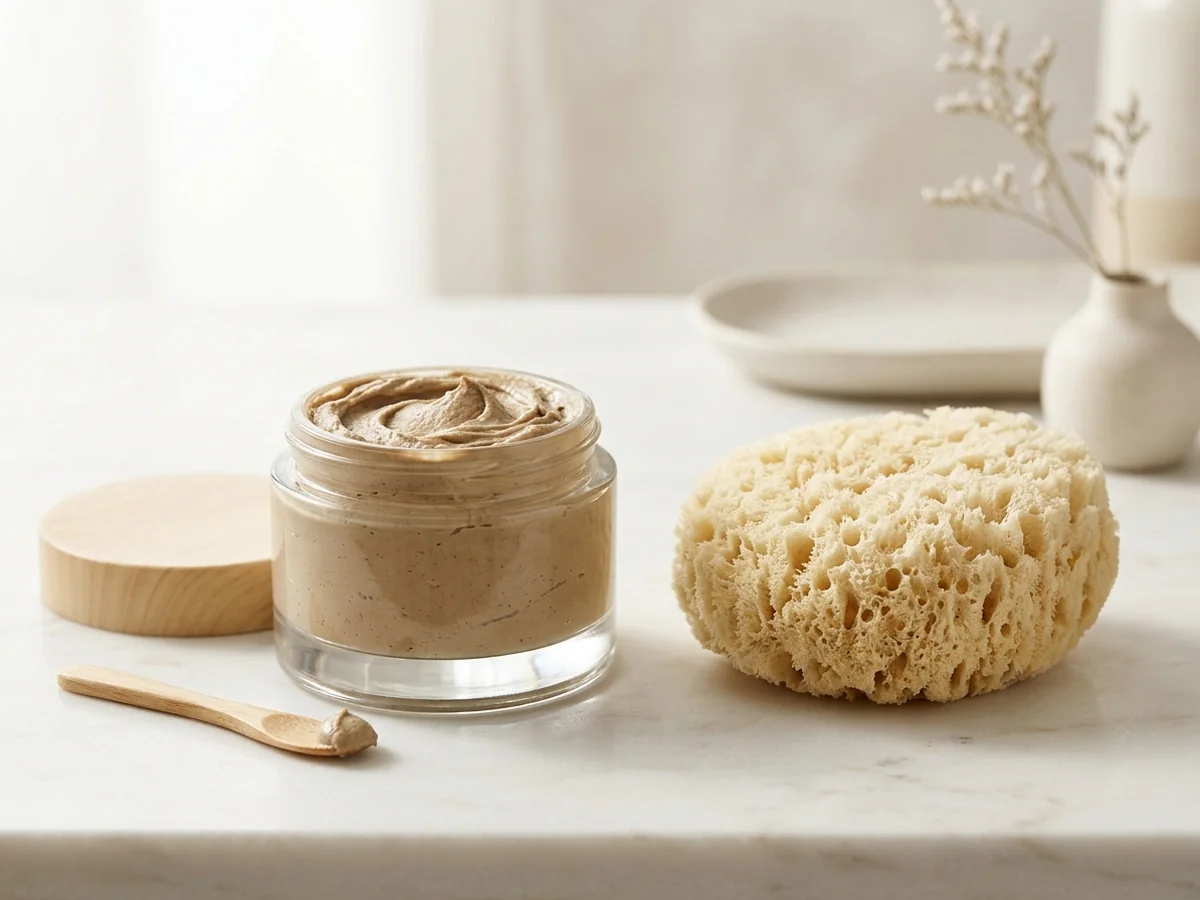
Face masks function by delivering concentrated ingredients to the skin surface to address specific needs, such as hydration or oil control. While some people wonder do facial masks work, they are essentially delivery systems that keep active ingredients in direct contact with your skin for a set period of time.
It is generally understood that using facial masks can be a helpful way to support skin moisture and maintain a resilient skin barrier. Hyaluronic acid helps lock in water to keep skin hydrated, while ceramides help strengthen the skin barrier. For those seeking smoothing effects, glycerin is often used to help smooth and soften skin.
When you apply a mask, the occlusive nature of the product prevents ingredients from evaporating, which allows them to penetrate the outer layers of the skin more effectively. Different formulations use distinct mechanisms to achieve results. Kaolin and bentonite clays help absorb oil and soothe irritation, while alpha hydroxy acids and beta hydroxy acids are commonly used as chemical exfoliators to unclog pores and improve skin texture.
Other ingredients provide targeted benefits based on their specific properties. Colloidal oatmeal can soothe irritated skin, and green tea extract can help reduce inflammation. If your goal is to brighten or firm, vitamin C acts as an antioxidant that can assist in firming the skin and improving overall brightness. Peptides help create collagen and elastin for skin, while bakuchiol is used to improve sun damage and even out skin tone. Additionally, niacinamide can help reduce shiny skin and acne.
It is important to remember that these products are not a replacement for treating medical conditions like eczema or acne. If you have a diagnosed skin concern, you should rely on prescribed treatments rather than cosmetic masks. Furthermore, you should be mindful of potential sensitivities. Fragrance can irritate skin or cause allergic skin rashes, and essential oils may be too strong for direct skin application.
When exploring various face mask tips, keep these ingredient interactions in mind to ensure your routine supports your skin health. Choosing the right mask depends on identifying your specific skin type and the current needs of your complexion, rather than relying on a one size fits all approach.
Choosing Ingredients Wisely
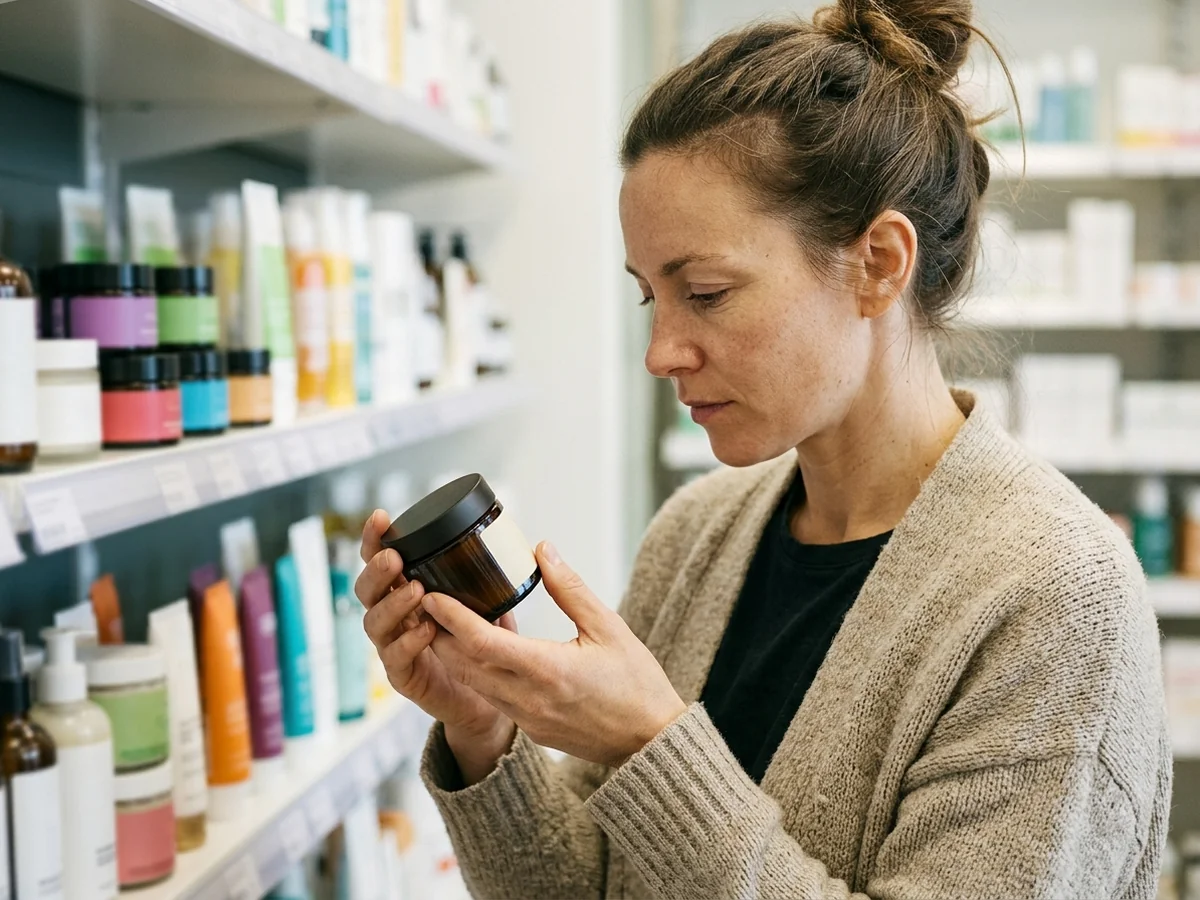
Selecting the right product requires looking beyond marketing claims and focusing on the specific chemical components that align with your dermatological goals. Because facial masks are often used to help moisturize and strengthen the skin barrier, understanding how active ingredients function is an effective way to improve skin texture and appearance. When choosing a face mask for your skin type, categorize your needs into hydration, oil management, or anti-aging support.
To address common skin concerns, look for these established ingredients:
- For Hydration and Barrier Support: Hyaluronic acid helps lock in water to keep skin hydrated. Ceramides help strengthen the skin barrier, while glycerin is often used to help smooth and soften the complexion.
- For Oil Control and Texture: Kaolin and bentonite clays help absorb oil and soothe irritation. Alpha hydroxy acids (AHAs) and beta hydroxy acids (BHAs) are chemical exfoliators used to unclog pores and improve skin texture. Niacinamide can help reduce shiny skin and acne.
- For Anti-Aging and Brightening: Vitamin C acts as an antioxidant that helps firm the skin while promoting a brighter complexion. Peptides help create collagen and elastin for skin, and bakuchiol is used to improve sun damage and even out skin tone.
- For Sensitive Skin: Colloidal oatmeal can soothe irritated skin, and green tea extract can help reduce inflammation.
A frequent mistake is viewing facial masks as a primary treatment for diagnosed medical conditions. Keep in mind that facial masks are generally not a replacement for treating medical conditions like eczema or acne. If you suffer from these conditions, prioritize products recommended by a professional rather than relying on over-the-counter masks.
Safety should also dictate your ingredient choices. Research confirms that fragrance can irritate skin or cause allergic skin rashes, making fragrance-free options a safer bet for most users. Similarly, essential oils may be too strong for direct skin application. When evaluating a product, scan the label for these potential irritants. If your skin is prone to redness or sensitivity, opting for formulations that favor gentle, soothing agents like colloidal oatmeal rather than harsh additives will help ensure your routine remains restorative rather than disruptive.
Ingredients to Avoid
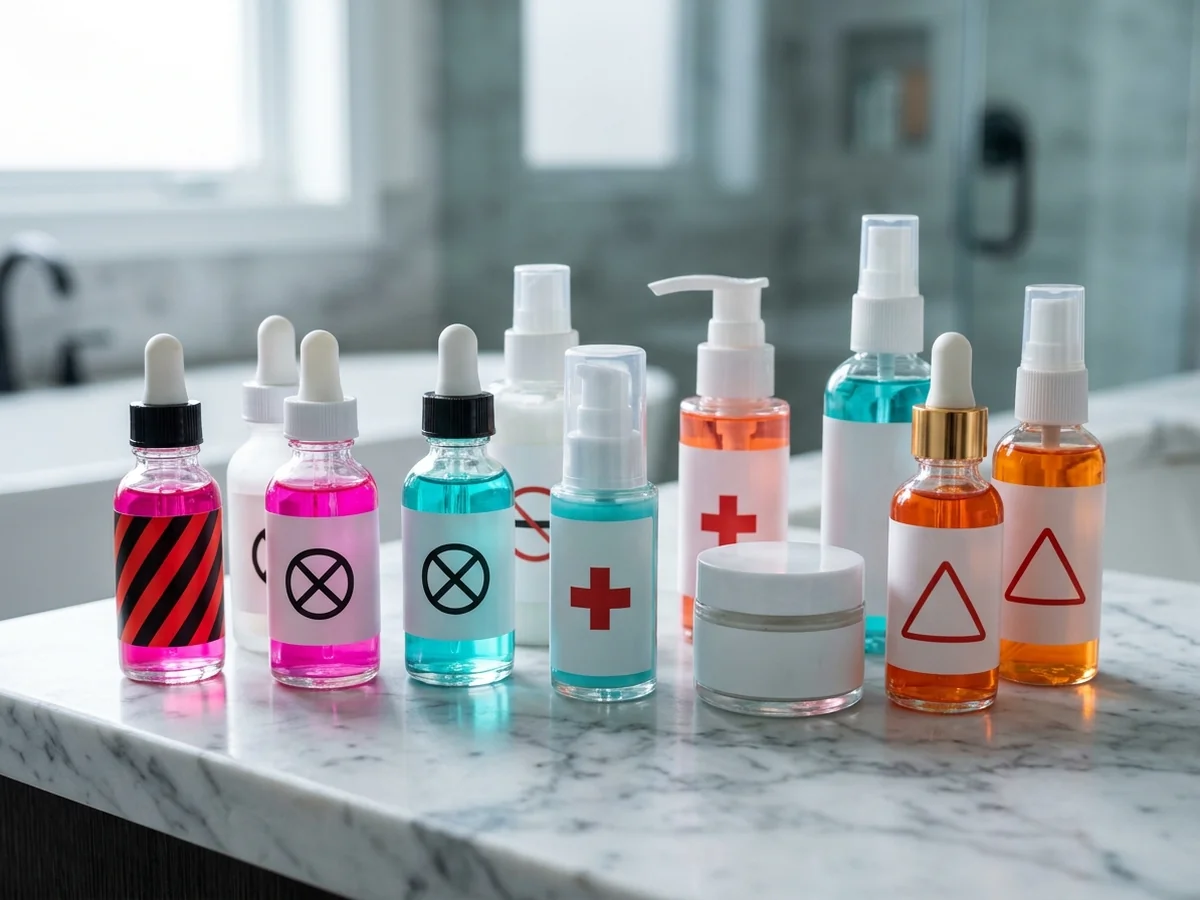
When selecting a product, being cautious about the ingredient list is one of the most effective face mask tips for maintaining a healthy and calm complexion. While many formulations aim to moisturize and strengthen the skin barrier, certain additives may cause unwanted reactions. Because facial masks are intended for concentrated contact with your skin, identifying potential irritants before application is an essential step in your routine.
Recognizing Common Irritants
Fragrance is a primary concern, as it is a frequent cause of skin irritation and can trigger allergic rashes. Many products contain complex chemical mixtures under the label fragrance or parfum, which often hide potential allergens. Similarly, essential oils are frequently too potent for direct skin application and can lead to sensitivity or inflammation. If you have a history of reactive skin, these components are often the first triggers to remove from your regimen.
Another common mistake is confusing fragrance-free labels with unscented products. Unscented items may still contain masking fragrances designed to neutralize the smell of other raw ingredients, whereas fragrance-free products generally avoid these additives entirely. Additionally, harsh alcohols can disrupt natural moisture levels, leaving the skin feeling dry or tight after you remove a mask.
How to Evaluate Labels
To safely choose the right mask for your skin type, look for these indicators on the packaging:
- Check the ingredient order: components listed near the top of the label appear in higher concentrations.
- Prioritize fragrance-free options if you notice persistent redness or sensitivity.
- Avoid products with concentrated essential oils like peppermint, tea tree, or citrus if your skin barrier feels compromised.
- Perform a patch test by applying a small amount of the mask on your inner forearm to check for an adverse reaction before using it on your face.
Focusing on Beneficial Ingredients
Rather than focusing on what to remove, look for ingredients that support skin health. Colloidal oatmeal is a proven option to soothe irritated skin, while ceramides help strengthen the skin barrier. For hydration, hyaluronic acid helps lock in water, and glycerin is commonly used to smooth and soften the skin. If you are managing specific concerns, green tea extract can help reduce inflammation, while kaolin and bentonite clays are effective at absorbing oil. When you prioritize these evidence-based ingredients over synthetic perfumes and potent essential oils, you lower the risk of developing contact dermatitis. Always remember that while masks support your routine, they are not a replacement for treating medical conditions like eczema or acne.
Proper Application Techniques
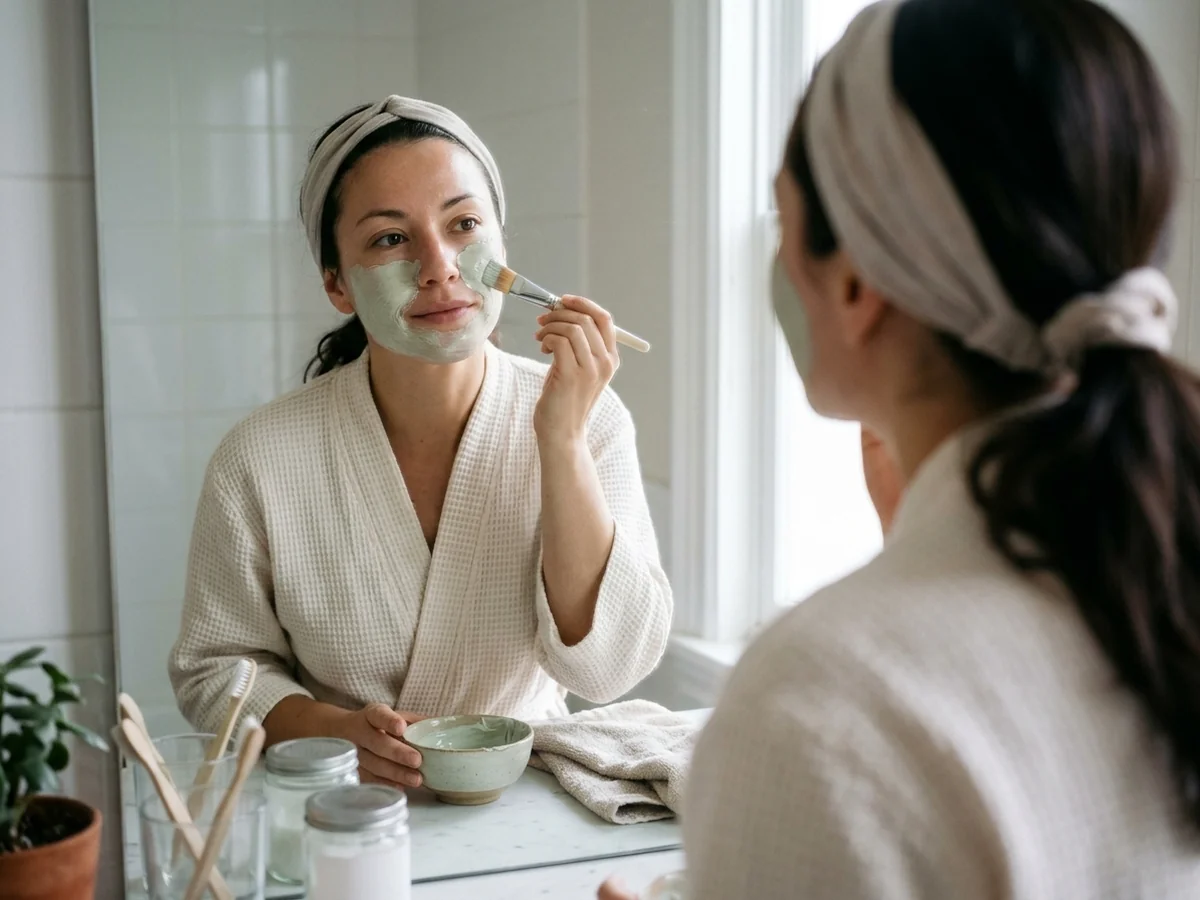
Applying a face mask correctly begins with thorough preparation. You must cleanse your skin to remove dirt, oil, and makeup, which creates a clean surface for active ingredients to work. When considering how to apply a face mask correctly, think of it as a targeted treatment rather than a daily staple. While facial masks can help moisturize and strengthen the skin barrier, they are not a replacement for treating medical conditions like eczema or acne.
Strategic Application and Multi-Masking
Because skin needs can vary across the face, multi-masking is a highly effective approach. If you have combination skin, you might apply a mask containing kaolin or bentonite clay to your T-zone, as these help absorb oil and soothe irritation. Simultaneously, you can apply a hydrating formula containing hyaluronic acid, which helps lock in water, or ceramides, which help strengthen the skin barrier, to drier areas like your cheeks. By tailoring the application to specific zones, you avoid over-treating healthy skin.
Understanding Timing and Ingredients
The duration for which you leave a product on your face depends on its texture and function. Clay masks are typically intended for shorter wear times, often until they are dry to the touch. In contrast, sheet masks are designed to deliver moisture and nutrients over longer periods, usually remaining on for 15 to 20 minutes. Always follow the specific instructions on the product packaging, as leaving any mask on longer than intended can lead to skin sensitivity.
When selecting your treatments, be mindful of specific ingredients. While ingredients like green tea extract help reduce inflammation and colloidal oatmeal can soothe irritated skin, other additives may cause issues. Fragrance is known to irritate skin or cause allergic skin rashes, and essential oils may be too strong for direct skin application. Avoiding these common irritants is a key aspect of safe skincare.
Post-Application Care
What you do after removing a mask is just as important as the application itself. Once the treatment is rinsed or peeled away, follow up with a gentle moisturizer to seal in the benefits. Ingredients like glycerin, which helps smooth and soften skin, are excellent additions to your post-masking routine. If you are using chemical exfoliators such as alpha hydroxy acids or beta hydroxy acids to unclog pores, ensure you are not over-using them, as their frequency depends on your individual skin sensitivity. Regardless of the type of mask, always prioritize manufacturer instructions to avoid potential reactions or reduced benefits from the treatment.
Post Mask Skincare Routine
The most important part of your skincare routine after face mask application is ensuring you protect the skin barrier while locking in moisture. These professional face mask tips focus on handling your skin with care immediately after a treatment to ensure you gain the full benefits of your chosen product.
Follow these steps to maintain healthy, hydrated skin after removing your mask:
- Remove any remaining product by gently rinsing with lukewarm water and patting your skin dry with a soft towel rather than scrubbing, which prevents mechanical irritation.
- Apply a hydrating serum containing hyaluronic acid to trap moisture, as this molecule is verified to help lock in water for better hydration.
- Layer a moisturizer rich in ceramides over your serum to strengthen the skin barrier and prevent transepidermal water loss.
- Use a broad-spectrum sunscreen as your final step if you used a mask containing alpha hydroxy acids or beta hydroxy acids, as these common chemical exfoliators can increase your skin’s sensitivity to the sun.
- Avoid applying harsh toners or additional active treatments immediately after masking to keep your complexion calm and balanced.
When using masks that contain AHAs or BHAs, remember that these ingredients work by unclogging pores and improving texture, but they can also leave your skin vulnerable. Sun protection is essential because these exfoliators remove dead skin cells that offer a slight layer of natural defense. By being diligent with your daily sun protection, you minimize the risk of irritation or damage while continuing to see the smoothing benefits of your routine.
Finally, observe how your skin feels after each session. While common guidance suggests that facial masks can help strengthen the skin barrier, they are not a replacement for treating medical conditions like acne or eczema. If you notice persistent redness or stinging, simplify your routine and consult a professional to ensure your products align with your specific skin needs.
Face Mask Frequency Tips
Determining how often you should use a face mask requires evaluating the specific ingredients and the intended function of the treatment. While common guidance suggests that these products can help moisturize and strengthen the skin barrier, they are not a replacement for treating medical conditions like eczema or acne. Establishing a consistent schedule depends on whether the mask is intended for active treatment, such as exfoliation, or for maintaining hydration.
Balancing Active Ingredients
Frequency often hinges on the potency of the components involved. Alpha hydroxy acids and beta hydroxy acids are commonly used as chemical exfoliators to unclog pores and improve skin texture, but applying these too frequently can strip the skin of essential oils. In contrast, hydrating masks featuring hyaluronic acid, which locks in water to keep skin hydrated, or glycerin, which is commonly used to smooth and soften skin, are generally gentler.
If your goal is to address specific concerns like oiliness or inflammation, kaolin and bentonite clays help absorb oil and soothe irritation. Niacinamide is commonly used to reduce shiny skin and acne, while green tea extract helps reduce inflammation. Because vitamin C is an antioxidant that promotes brighter and firmer skin and peptides help create collagen and elastin for skin, their concentration dictates how often you should use a face mask.
Storage and Safety Precautions
Proper storage is essential to maintain product integrity. Keeping sheet masks in the refrigerator can provide a cooling effect, but you should avoid storing any skincare in humid environments like the shower area, as moisture encourages bacterial growth. Always check the packaging for manufacturer instructions regarding duration of wear, as leaving products on longer than recommended may lead to irritation.
You should discontinue use immediately if you notice changes in color, an off-putting odor, or if the consistency becomes watery, clumpy, or separates into layers. Visible mold or debris inside the packaging are also clear signs that the product must be discarded. Even if a product appears normal, it should be thrown away once it passes its expiration date, as key ingredients can oxidize and lose their effectiveness.
Ingredients to Monitor
Sensitive skin requires extra caution. Fragrance can irritate skin or cause allergic skin rashes, and essential oils may be too strong for direct skin application. Before integrating a new product into your routine, perform a patch test on a small area of skin to ensure compatibility. If you experience new irritation, redness, or burning upon application, wash the product off immediately.
By selecting formulas that align with your skin type, such as using colloidal oatmeal to soothe irritated skin or bakuchiol to improve sun damage and even out skin tone, you can safely incorporate these treatments into your skincare routine without compromising your skin barrier. Ceramides are also known to help strengthen the skin barrier.
FAQ
How often should you use a face mask?
The frequency depends entirely on the type of mask and your specific skin needs. Generally, hydrating or soothing masks can be used more frequently, while masks containing chemical exfoliators like alpha hydroxy acids or beta hydroxy acids should be limited to once or twice a week to avoid over-exfoliation.
What are the best face mask tips for choosing the right product?
Select a mask based on your current skin concerns rather than just the texture or brand. For example, look for kaolin or bentonite clays if you need to absorb excess oil, and seek out ingredients like hyaluronic acid or glycerin if your primary goal is to lock in moisture and soften the skin.
What ingredients should I avoid in a face mask?
You should generally avoid added fragrances and essential oils if you have sensitive skin, as these are known to cause irritation or allergic skin rashes. It is safer to prioritize products with proven, gentle ingredients like colloidal oatmeal for soothing or ceramides to help strengthen the skin barrier.
When is the best time to use a face mask, morning or night?
While you can mask at either time, many people prefer incorporating masks into their evening routine to allow for a more thorough cleansing and treatment process. Using a mask at night ensures that active ingredients have time to work without the interference of makeup or environmental pollutants encountered during the day.
Can a face mask treat acne or eczema?
Facial masks are not a replacement for treating medical conditions like acne or eczema. While products containing niacinamide may help reduce shiny skin and acne, you should always consult a healthcare professional for persistent skin issues rather than relying solely on over-the-counter masks.
Conclusion
The best way to integrate these face mask tips into your daily life is to focus on consistency and your specific skin needs. Start by identifying your primary concerns, such as dryness or oiliness, and select products containing ingredients like hyaluronic acid or kaolin clay accordingly. Remember that while masks can help moisturize and strengthen the skin barrier, they are not a replacement for treating medical conditions like eczema or acne. Pay close attention to how your skin responds to different formulations, especially regarding added fragrance or essential oils. Once you find a routine that feels comfortable and effective, stick with it to maintain healthy skin texture and appearance over time.
Sources: health.harvard.edu, health.clevelandclinic.org, pmc.ncbi.nlm.nih.gov, newsroom.clevelandclinic.org
You might also like: 10 Elegant Thanksgiving Desserts for a Festive Table