10 Neck Massage Techniques and Exercises
Introduction
Effective neck massage techniques help alleviate muscle tightness and improve physical comfort by targeting areas of soreness and tension. Applying these methods safely can provide significant physical and mental benefits, including pain relief and reduced stress.
This guide provides clear instructions on how to use manual massage techniques for neck muscles to manage daily discomfort. You will learn how to perform self-massage for pain relief, understand the difference between various strokes, and identify critical safety precautions to protect sensitive structures like the cervical spine and throat. Please note that the information provided in this health guide does not replace the advice of a doctor. Before starting any new physical care routine, consult with a medical professional to ensure these practices are appropriate for your specific health needs.
Understanding Neck Massage Benefits
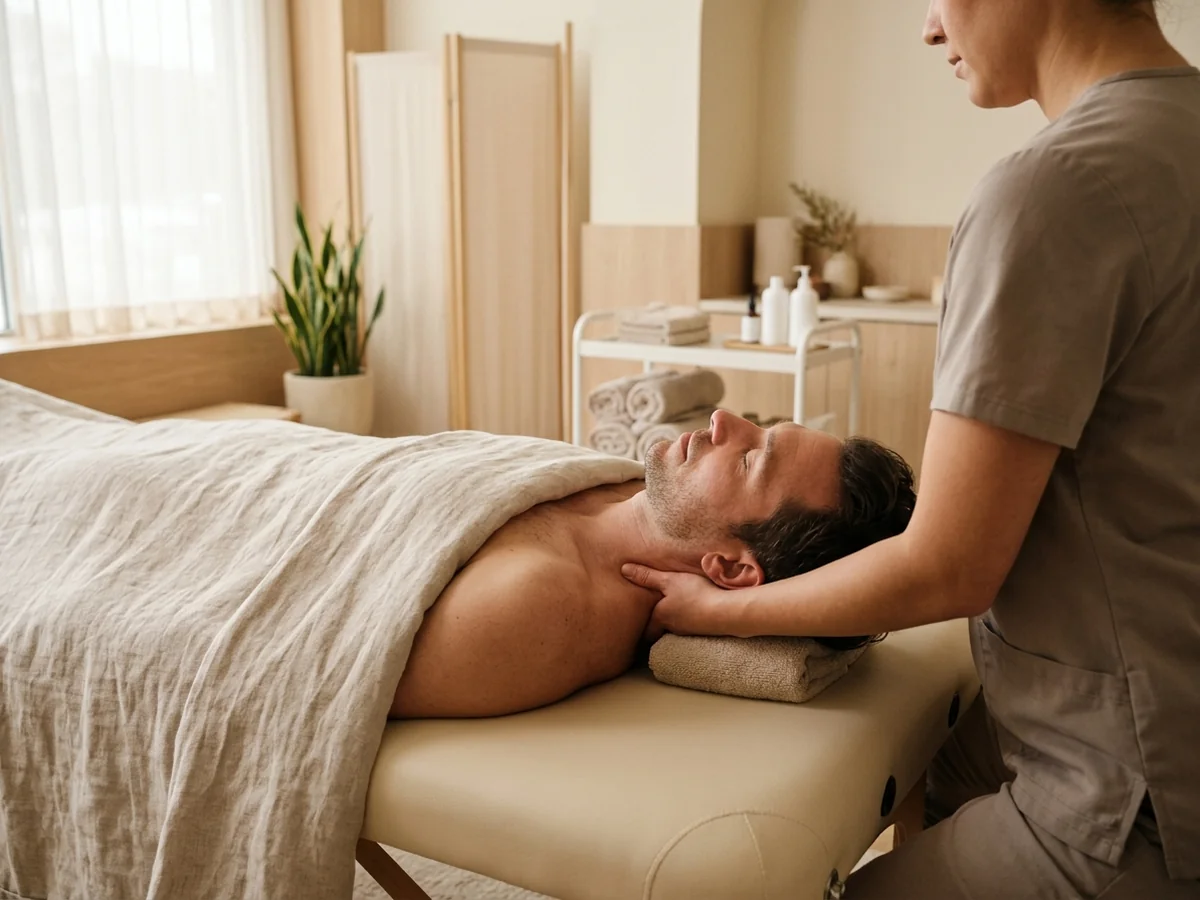
Massage therapy can provide physical and mental benefits, including pain relief. This therapeutic approach supports overall well-being by addressing structural discomfort and psychological stress.
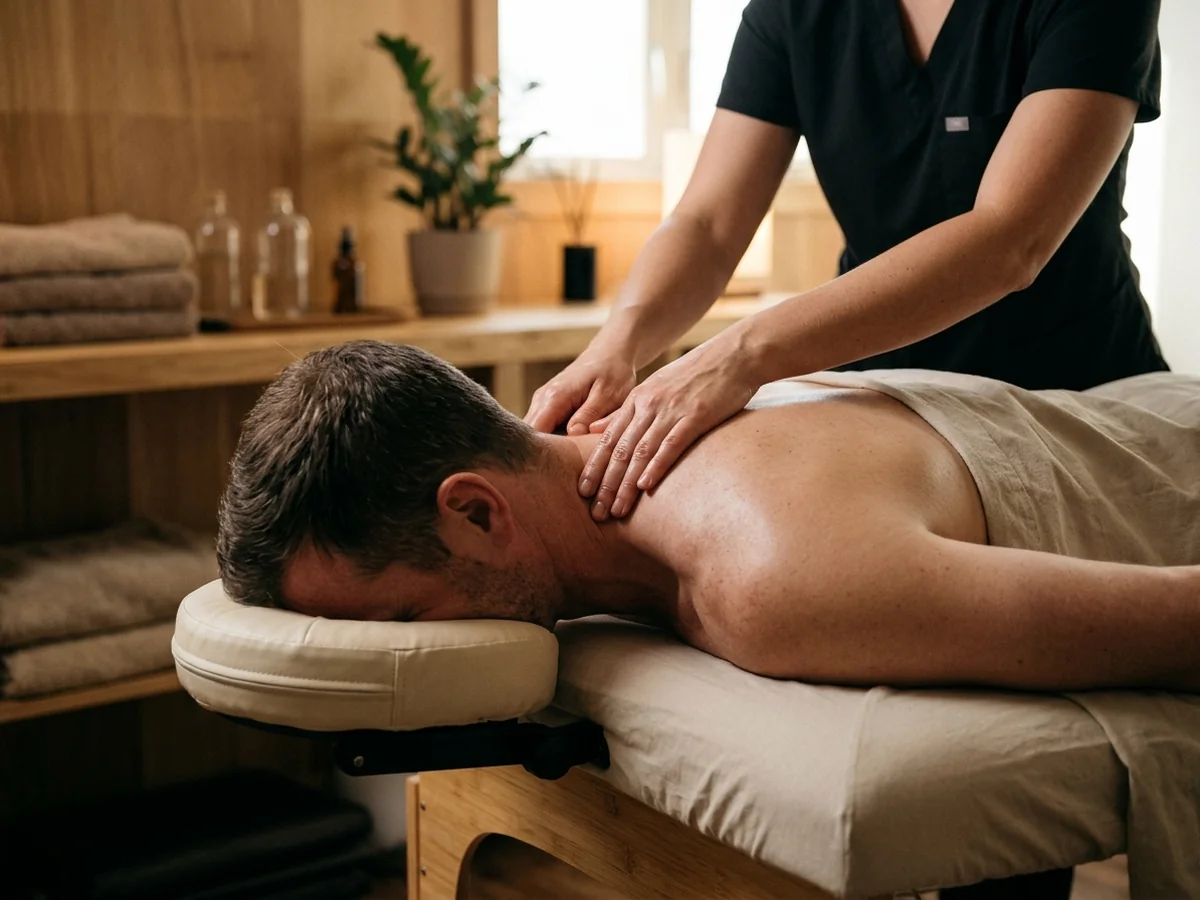
A shoulder and neck massage can help reduce muscle tension and stress. Targeted pressure on these areas helps calm the nervous system and release tightness in the muscles. These manual massage techniques for neck muscles are commonly used to support recovery from daily physical strain.
Self-massage is a common practice that utilizes the hands or various implements to target tight areas and connective tissue. When learning how to relieve neck tension, it is important to understand that these methods are intended to supplement, rather than replace, professional medical care. Information provided in health guides does not replace the advice of a doctor.
When incorporating these practices into your routine, keep the following points in mind regarding safety and efficacy:
- Always prioritize gentle pressure when working near the cervical spine.
- Avoid applying direct force to the throat or the sides of the neck where blood vessels are located.
- Consistent, light sessions are often more beneficial than infrequent, overly aggressive attempts at deep tissue neck massage tips.
- Consult a healthcare professional before starting any new self neck massage for pain relief if you have a history of injury.
Following these neck massage safety precautions ensures that you can address discomfort without causing further strain. By understanding the physiological benefits and limitations of these methods, you can safely integrate them into your wellness routine to manage daily tension.
Identifying Neck Tension Points
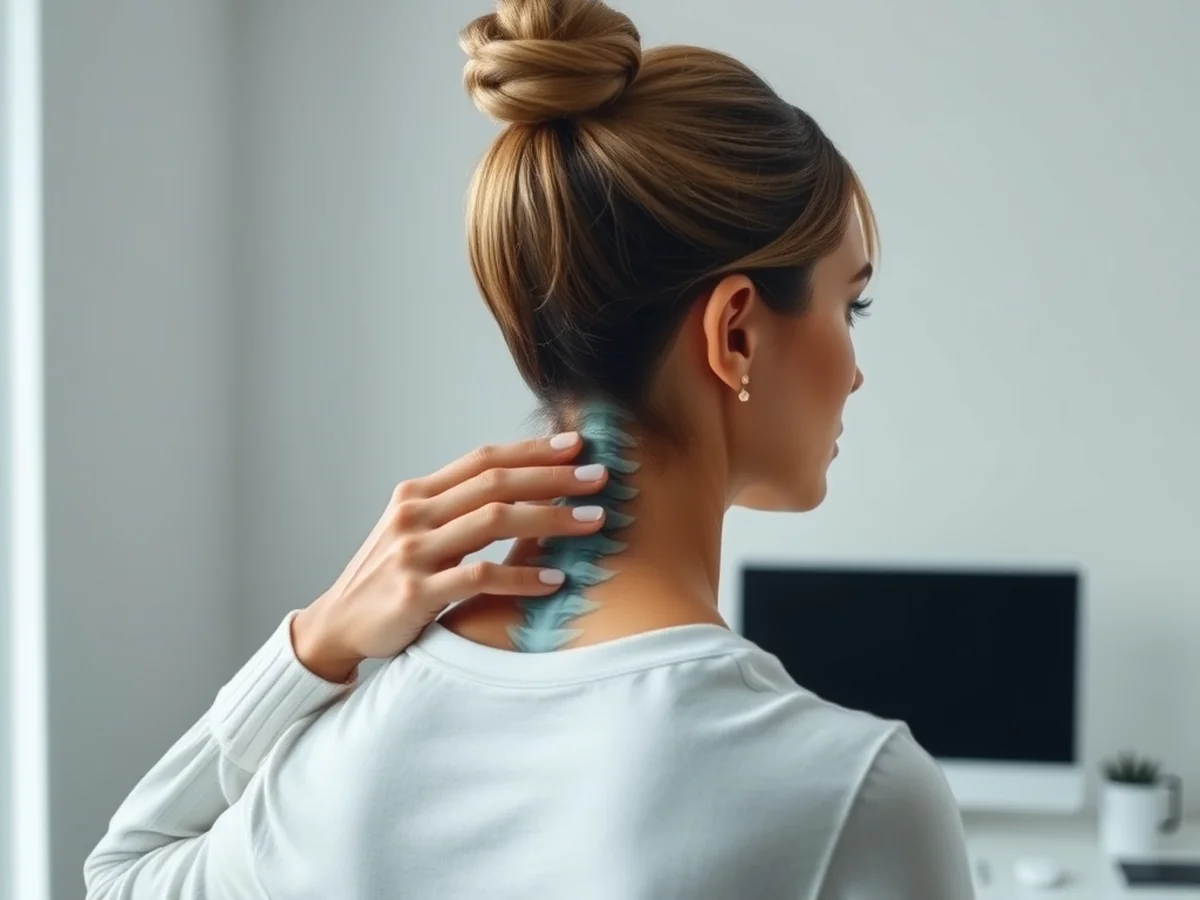
Neck tension often originates from physical strain or emotional stress that causes muscles to tighten and restrict movement. Identifying these specific areas is a critical first step when using various neck massage techniques to address discomfort.
Poor posture during desk work is a primary trigger for muscle fatigue. When your head is consistently held forward or tilted, the cervical spine loses its neutral alignment. This puts immense pressure on the surrounding muscles, which must work harder to support the weight of your head, leading to significant soreness and stiffness.
Emotional stress frequently manifests as physical tightness in the upper trapezius muscle. Many people subconsciously shrug or elevate their shoulders when anxious or under pressure. Over time, this chronic activation creates palpable knots and tender zones that may require consistent care to resolve.
Repetitive strain from daily habits further compounds these issues by limiting the range of motion in the neck. As the fascia and muscle tissues tighten, it becomes more difficult to maintain proper posture, creating a cycle of fatigue. Understanding how to relieve neck tension requires acknowledging these structural and lifestyle factors.
Common guidance indicates that self-massage typically involves using your hands, specialized tools, or household items to target sore muscles and firm adhesions. A shoulder and neck massage can help reduce muscle tension and stress. Furthermore, massage therapy can provide physical and mental benefits including pain relief.
Information provided in health guides does not replace the advice of a doctor. Always consult a healthcare professional before beginning any new regimen for persistent pain.
How Massage Improves Circulation
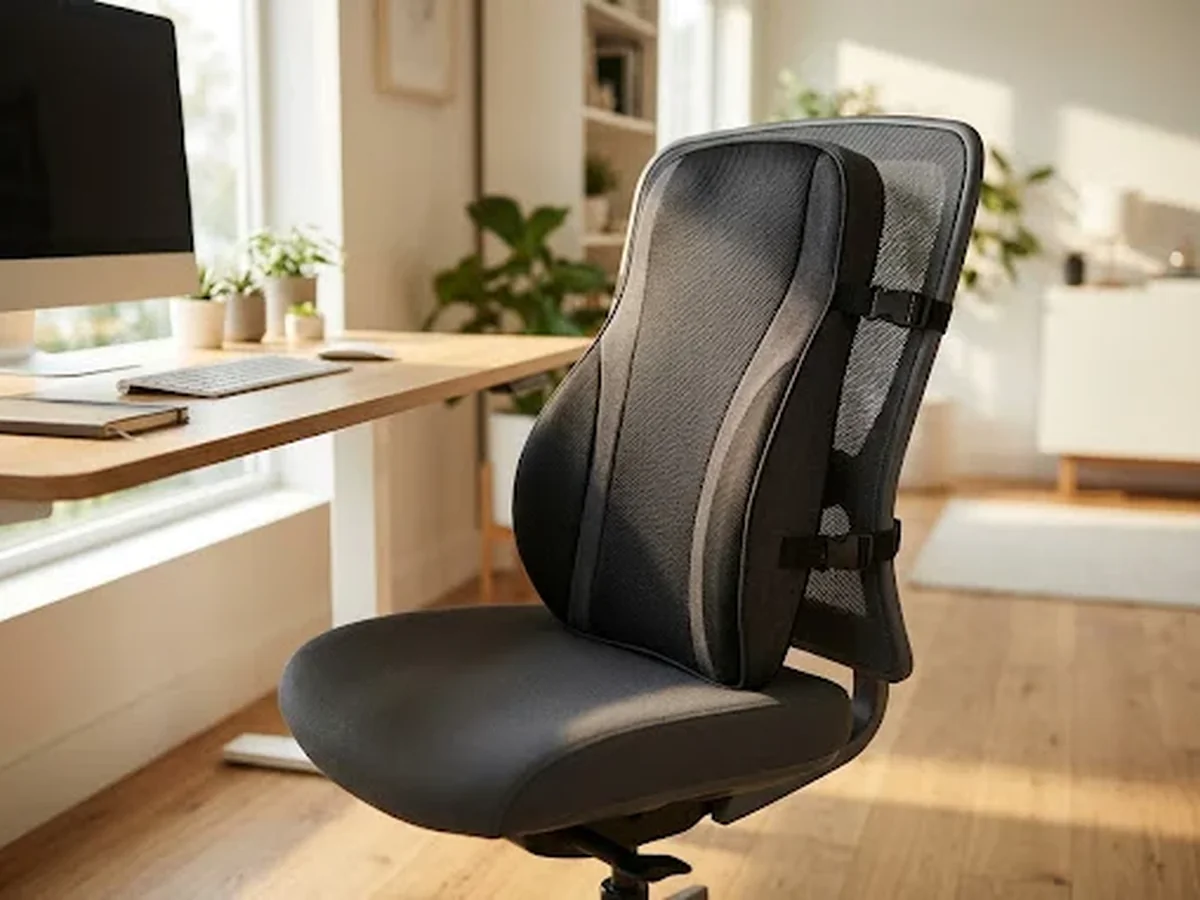
Applying manual massage techniques for neck muscles helps increase local blood flow and supports the health of the fascia surrounding the cervical spine. By stimulating the soft tissues, these movements encourage the delivery of oxygen and nutrients to muscles that may be tight or restricted.
Different strokes serve distinct purposes when working on the neck. Effleurage involves long, sweeping glides that warm the tissues and prepare the area for deeper work. This initial approach helps calm the nervous system and surface-level tension. In contrast, petrissage uses kneading and lifting motions to target deeper muscle layers. These firmer actions are designed to manipulate the underlying tissue more thoroughly than surface gliding.
The application of consistent pressure is essential for reducing discomfort and promoting relaxation. When you maintain a steady, moderate force, the tissues can gradually soften, which helps release tightness in areas like the trapezius. This deliberate approach allows the muscles to adjust without triggering a protective guarding response.
Effective sessions often focus on the following physiological goals:
- Increasing local blood flow to aid in muscle recovery.
- Encouraging the release of tension within the fascia.
- Supporting overall relaxation through rhythmic, controlled physical contact.
A shoulder and neck massage can help reduce muscle tension and stress. Furthermore, massage therapy can provide physical and mental benefits including pain relief. Please remember that information provided in health guides does not replace the advice of a doctor.
Safe Neck Massage Practices
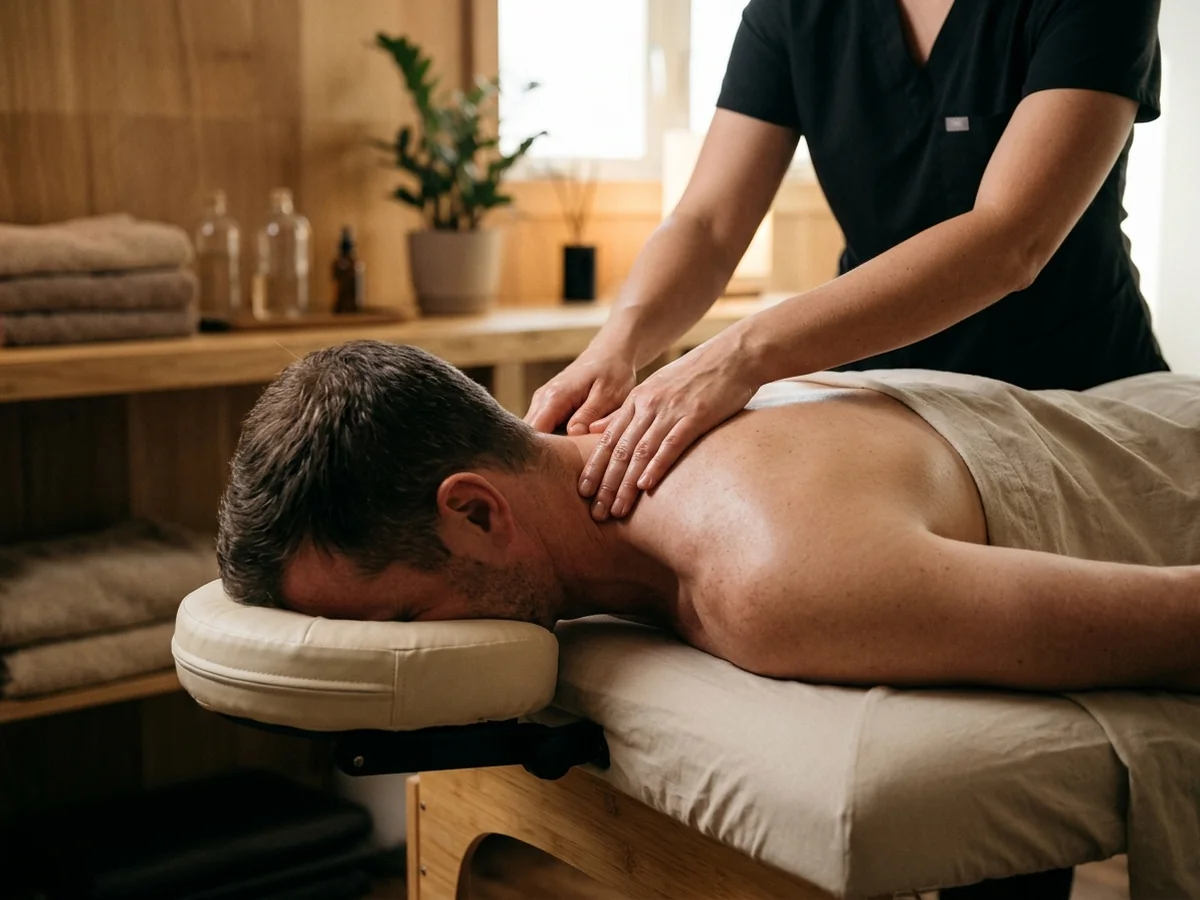
Prioritizing neck massage safety precautions is essential because the cervical spine and surrounding tissues are delicate areas. Information provided in health guides does not replace the advice of a doctor, and you should always consult a medical professional for chronic or acute pain to rule out underlying conditions.
When applying pressure to your neck, you must avoid specific high-risk zones to prevent injury. Awareness of anatomical structures, such as the carotid artery located on the sides of the throat and the vulnerable structures at the front of the throat, is critical. Applying direct, heavy force to these areas can interfere with blood flow or cause tissue damage.
Adhering to these guidelines helps ensure your self-care routine remains beneficial and risk-free:
- Never apply direct, forceful pressure to the front of the throat or the sides where the carotid artery lies.
- Stop any session immediately if you experience sharp pain, radiating numbness, or tingling sensations in your arms or hands.
- Dizziness, lightheadedness, or nausea during or after the session are clear indicators that you should cease your current activity.
- Discontinue use if you notice swelling, redness, or bruising, as these signs suggest tissue irritation or injury.
- Maintain a gentle approach and prioritize light, rhythmic movements over deep pressure when working near the cervical spine.
- Seek guidance from a healthcare provider if your symptoms persist, worsen, or do not respond to basic care.
While a shoulder and neck massage can help reduce muscle tension and stress, massage therapy can provide physical and mental benefits including pain relief only when performed correctly. Always respect your body’s limits during any manual therapy session to avoid aggravating existing stiffness or potential injuries.
Manual Application Techniques

Effective self neck massage for pain relief relies on using the pads of your fingers and the base of your palms to apply steady, controlled pressure. A shoulder and neck massage can help reduce muscle tension and stress, but you must keep your movements slow and deliberate to avoid aggravating sensitive tissues. Always start with light, sweeping motions to warm up the area before attempting deeper contact.
When you encounter tight spots or trigger points, use a static, gentle hold rather than aggressive rubbing. Excessive friction on the delicate structures of the cervical spine can lead to bruising or nerve irritation. If you feel sharp pain, tingling, or numbness, stop immediately and adjust your hand placement to a softer, surrounding muscle area.
- Use the pads of your index and middle fingers for precise work along the base of the skull.
- Employ the fleshy base of your palm for broader, soothing strokes down the trapezius muscle.
- Avoid the front of the throat and the sides of the neck where major arteries and nerves are located.
- Keep your shoulders relaxed and your jaw unclenched while applying pressure to maintain proper alignment.
Limit your sessions to short intervals of three to five minutes to prevent overworking the muscles. Frequent, brief applications are safer and more effective than a single, prolonged session that might cause inflammation. Massage therapy can provide physical and mental benefits including pain relief, but moderation is essential for safety. Note that information provided in health guides does not replace the advice of a doctor.
Using Tools for Relief
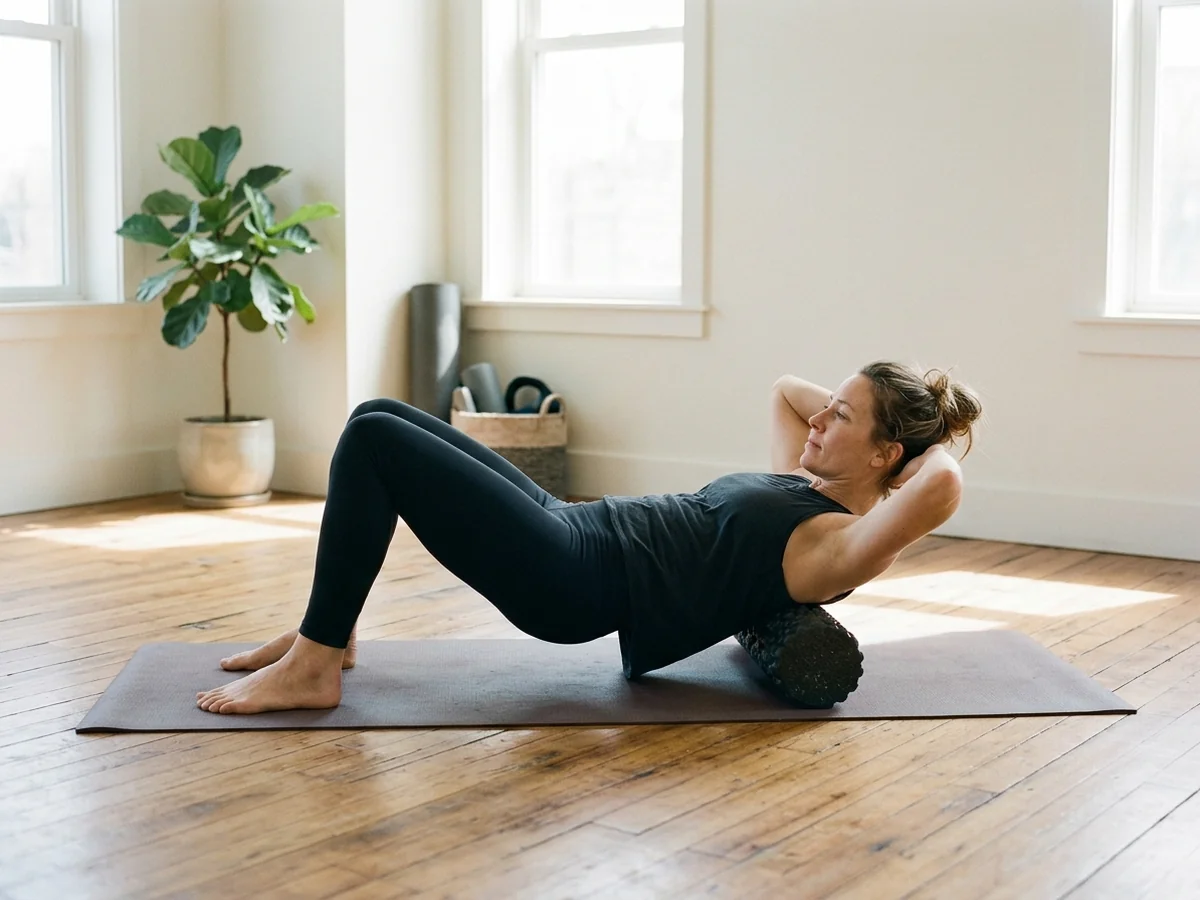
You should prioritize using external tools like foam rollers and tennis balls for target areas adjacent to the neck, such as the upper back, rather than the cervical spine itself. These implements help address dense muscle groups and fascia where manual pressure may prove insufficient. As established by the University of Kentucky, massage therapy can provide physical and mental benefits, including pain relief. However, information provided in health guides does not replace the advice of a doctor.
When working on the upper back with a tennis ball, place the ball between your shoulder blades while leaning against a wall or lying on the floor. This allows you to apply consistent pressure to the trapezius muscle without straining your hands. Foam rollers are similarly useful for broader coverage across the thoracic region. These methods allow for deeper access to muscle fascia compared to manual techniques, which can tire quickly when targeting large, knotted areas.
Proper positioning remains critical for the safety and effectiveness of your session. Consider these factors when choosing your setup:
- Seated sessions allow for upright posture, which helps you control the intensity of pressure on the trapezius and upper shoulders.
- Supine sessions, where you lie flat on your back, provide full support for the spine and allow gravity to assist with deep tissue neck massage tips.
Effective neck massage techniques rely on choosing the right approach for the specific tissue you are targeting. Hands are generally better for the delicate muscles of the neck, while tools are best reserved for the thicker muscle groups of the upper back. Always avoid applying direct, heavy pressure from tools to the bony structures of the cervical spine or the soft tissues of the throat. If you experience sharp pain or discomfort, stop immediately, as a shoulder and neck massage can help reduce muscle tension and stress when performed with appropriate caution and correct body mechanics.
When to Seek Professional Help

You should consult a healthcare provider if your discomfort stems from a potential structural injury rather than simple muscle fatigue. Information provided in health guides does not replace the advice of a doctor, and identifying red flags is essential for your safety.
While a shoulder and neck massage can help reduce muscle tension and stress, massage therapy results vary based on the underlying cause of pain. If your symptoms relate to the cervical spine or involve nerve compression, manual manipulation may worsen the condition. Professional evaluation ensures that you are not overlooking signs of trauma or chronic instability.
Watch for specific warning signs that suggest you need medical intervention before attempting any manual work on your neck muscles:
- Seek immediate medical attention if you experience shooting pain, numbness, or tingling that radiates down into your arms or hands.
- Consult a doctor if your neck stiffness is accompanied by fever, unexplained weight loss, or severe headaches.
- Avoid self-treatment and contact a professional if your pain follows a recent injury, such as a fall or a car accident.
- Schedule an appointment if you notice weakness in your grip or difficulty with balance and coordination.
- See a physician if your neck discomfort persists for several weeks despite trying conservative rest and basic care.
Massage therapy can provide physical and mental benefits including pain relief, but it is not a substitute for diagnostic imaging or clinical treatment of structural issues. Understanding the difference between temporary soreness and nerve involvement is the most important step in managing your health. If you are ever in doubt about the origin of your pain, prioritize a professional examination to rule out serious underlying issues.
FAQ
What is the best way to massage a neck?
The most effective method involves using gentle, controlled movements to target the trapezius muscle while avoiding direct pressure on the cervical spine and throat structures. A shoulder and neck massage can help reduce muscle tension and stress when performed with consistent, light-to-moderate pressure.
How do I perform a self-massage for neck pain?
Common guidance suggests that self-massage techniques often involve using your hands or various implements to address areas of muscle tightness and connective tissue restrictions. You can use your fingertips to apply small, circular motions along the base of the skull, but you must always exercise caution to avoid sensitive areas like the carotid artery.
What are the benefits of self-massage?
Massage therapy can provide physical and mental benefits including pain relief. Engaging in these practices may assist in managing daily stress and alleviating localized muscle discomfort.
Are there safety tips for performing massage at home?
Information provided in health guides does not replace the advice of a doctor, so you should consult a medical professional if you experience persistent pain or injury. Always prioritize neck massage safety precautions by avoiding forceful pressure and stopping immediately if you feel sharp pain or dizziness.
Conclusion
Massage therapy can provide physical and mental benefits including pain relief, and a shoulder and neck massage can help reduce muscle tension and stress. While exploring various neck massage techniques can be an effective way to manage everyday stiffness, remember that information provided in health guides does not replace the advice of a doctor. If your discomfort persists or follows an injury, schedule an appointment with a medical professional to rule out underlying conditions. Always prioritize safety by starting with gentle pressure and stopping immediately if you experience sharp pain or dizziness during your session.
Sources: pmc.ncbi.nlm.nih.gov, chs.uky.edu, odphp.health.gov
You might also like: 10 High Protein Thanksgiving Casseroles Under 550 Calories